Schools
Galloway Schools' Homework Ban Moving Forward
The proposal to eliminate homework on weekends and holidays has drawn debate. But, at least one other school district in New Jersey already has a similar policy.


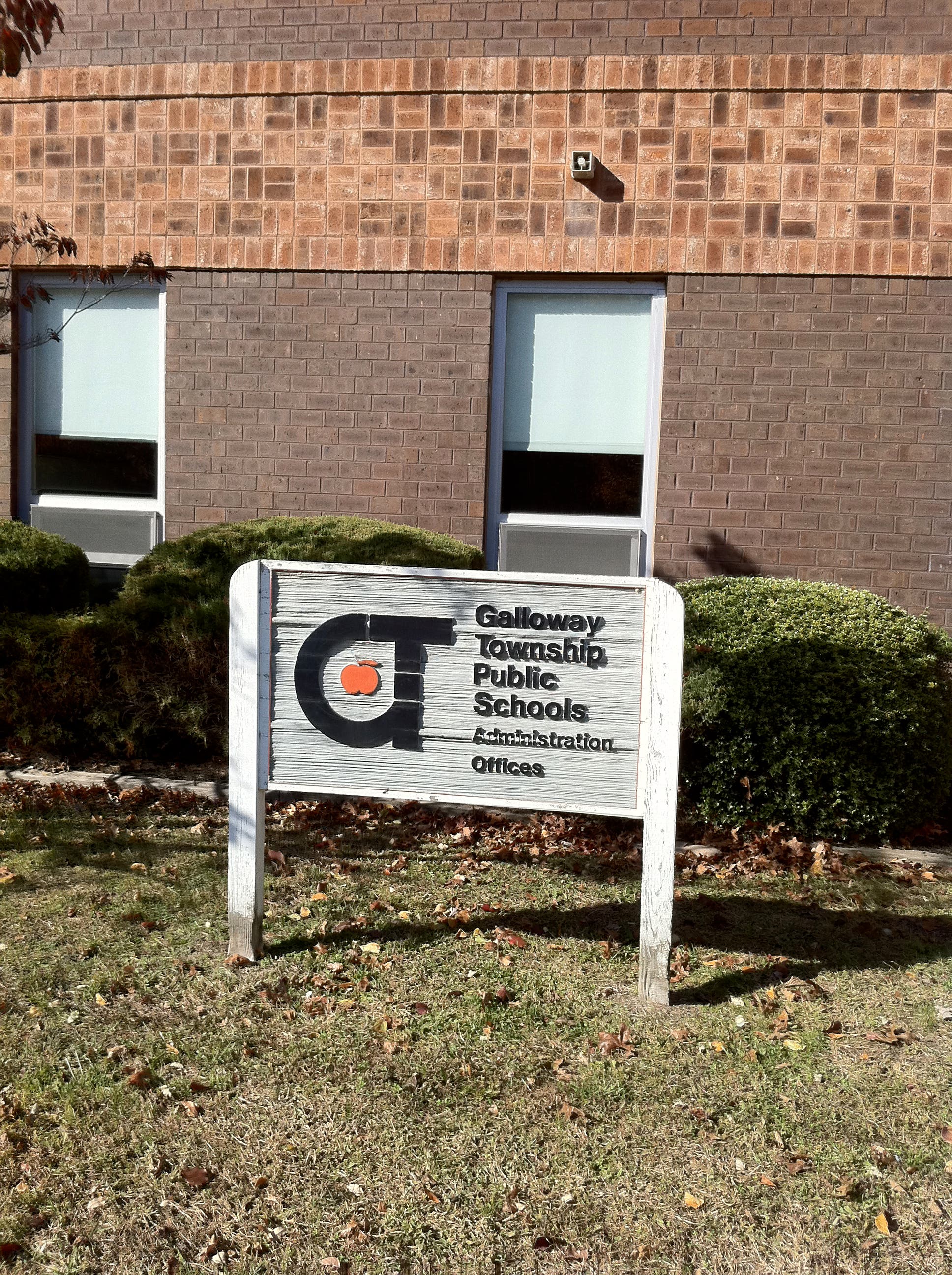
Formal policy for the is being prepared and will be presented to the Galloway Township Board of Education for review in June and August, Superintendent of Schools Annette Giaquinto said on Wednesday.
If approved, the policy would then be implemented in September, and the process will include informing parents/guardians and training teachers, Giaquinto also said.
The proposed policy was introduced at last Monday’s Board of Education meeting, and has raised some eyebrows since its introduction. At the time the policy was introduced, Giaquinto assured those concerned that this wouldn’t lead to the overall elimination of homework.
Find out what's happening in Gallowayfor free with the latest updates from Patch.
The plan did show that the school district wants the distribution of homework to match what was taught during the school day.
At least one other school district in New Jersey already has a similar policy.
Find out what's happening in Gallowayfor free with the latest updates from Patch.
While the Piscataway School District in Middlesex County hasn't eliminated homework on weekends and holidays, it practices the same belief as Galloway's proposed policy. Currently in Piscataway schools, the decision to hand out homework is left up to the teachers.
“It should be appropriate to the lesson,” said Teresa Rafferty, director of communication, planning and community education for the Piscataway district. “If you finish up your unit during the week, there’s no reason for homework on the weekend.
“If the kids are learning to subtract double digits, and it’s covered in class, you can send them home with 10 questions. There’s no need for 50.”
Rafferty said she believed the district proposed a change in homework policy was proposed in Piscataway about 10 years ago, but that it dealt more with including homework in the students’ grade. That proposal was defeated, said Rafferty, who has been in the Piscataway district for eight years.
“It is left up to the students’ needs,” Rafferty said. “It should reinforce what the students learned. It’s left to the teacher’s discretion.”
She also said her school system never hears complaints about homework from the parents.
“We don’t live in a shy community,” Rafferty said.
Parents in Piscataway can find their child’s homework posted online, so they can get an idea of what is coming and plan their lives accordingly.
According to New Jersey School Board Association Spokesman Michael Yaple, controversy over homework is not a new controversy.
He said that schools will typically address policies that address homework as something meant to reinforce what was learned during the school day.
NJSBA’s model policy language, which is reflected in the policy manuals of many local school districts, states the following:
“The board of education believes that homework relevant to material presented in class provides an opportunity to broaden, deepen or reinforce the pupil's knowledge. Teachers must use discretion in deciding the number and length of assignments. The board encourages the use of interrelated major homework assignments such as term papers, themes and creative art projects.
“Homework shall not be used for punitive reasons.”
Part Galloway Township's plan involves setting limits on the amount of homework assigned by grade level. For instance, a second-grader would receive no more than 20 minutes of homework, while a sixth-grader would receive roughly 60 minutes of homework.This a practice shared by many school districts, Yaple said.
The argument over how much homework to assign hasn’t always been about assigning less, Yaple discussed.
“The debate over homework—both for and against—has been ongoing for over a century,” Yaple said in an email. “In the early 1900s, the Ladies Home Journal magazine crusaded against homework, suggesting that it was cruel and even unhealthy.
"In 1901, California and a number of local school districts even banned homework for anyone under age 15.
"Years later, after World War II and Sputnik, the U.S. wanted to compete with the Russians and there was a move toward increasing homework.
"Today, with a focus on global competition and increased educational standards, the debate continues. For instance, many current trends in homework policies have been influenced by the work of an educational researcher, Alfie Kohn, whose book, The Homework Myth, states that there is a lack of evidence to show that a large amount of homework benefits students’ education and that it reduces the other valuable activities, such as family time, community activity, exercise and free reading. Kohn specifically recommends that homework not be assigned over weekends or during holidays.”
Get more local news delivered straight to your inbox. Sign up for free Patch newsletters and alerts.