Schools
New Law Allows Schools to Pass Budgets Without Voter Approval, Move Elections to November
The Galloway School Board will discuss this issue at a future meeting. The next meeting takes place Monday.


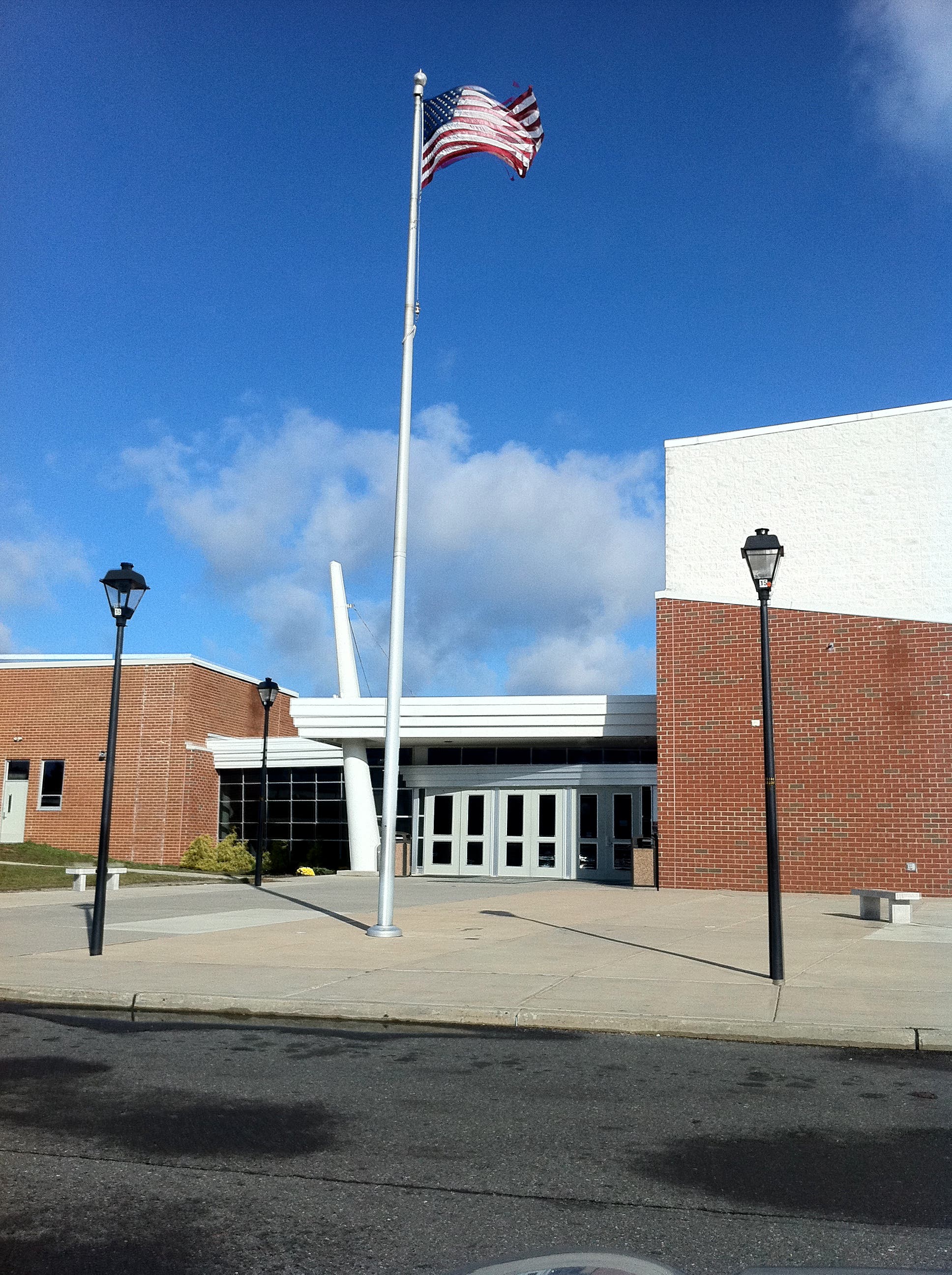
School districts now have the authority to move school board elections from April to November, and can now pass a school budget without voter approval under new legislation signed into law by Gov. Chris Christie on Tuesday.
The budget can be passed without voter approval as long as it stays within the 2-percent tax cap established for school boards and municipalities last year.
The law states that there are three ways the election can be moved and the school budget taken out of the hands of the voters:
Find out what's happening in Gallowayfor free with the latest updates from Patch.
- by referendum, similar to the two placed before the voters by the and the school districts in December;
- a resolution set forth by the board of education; or
- a resolution set forth by township council.
“Since it is such an important issue, the members need to carefully consider all aspects of holding the elections in November,” Galloway Superintendent of Schools Annette Giaquinto said on Wednesday. “The Board of Education will be discussing this at an upcoming meeting.”
The Board of Education’s next scheduled meeting is Monday night, Jan. 23 at the and Giaquinto confirmed late Thursday afternoon that this issue will be discussed.
Find out what's happening in Gallowayfor free with the latest updates from Patch.
The Greater Egg Harbor Regional School District, made up of Cedar Creek and Oakcrest, also meets Monday night.
The Galloway School District saw two budgets defeated during the 2011 calendar year.
In April, the was defeated by a vote of 902-875 in an election in which 1,803 people voted. later cut out of the proposed $53 million budget before passing it.
In December’s special election, voters defeated a proposal concerning roof replacement at , and elementary schools, fire alarm replacement for Smithville, Roland Rogers and , and drainage system and parking lot improvements for Arthur Rann. On election night, the proposal appeared to be defeated by just three votes, and after provisional ballots were counted, the difference was eight votes.
Galloway voters also defeated the Greater Egg proposal on the same night, but that proposal partially passed because of voters in the other areas that make up the regional district.
At its last meeting, the Galloway school board considered going back to referendum in , and board member Bob Iannacone pointed out the district can go straight to the state for approval. This occurred during a situation similar to what Galloway is facing in Allentown in 1979, but the board decided it wanted to put it back into the hands of the public.
While Galloway felt the need to put the decision back in the hands of the voters, the New Jersey School Boards Association (NJSBA) understands why school districts are wary of allowing the public to decide its budget.
"Voters do not get to vote on municipal or county budgets,” NJSBA spokesman Frank Belluscio said. “School budgets often bear the brunt of voter dissatisfaction."
NJSBA is fine with removing voter approval from school budgets, provided the budgets stay within the state-mandated cap.
"Budgets undergo review at several levels and the state Department of Education has redline authority,” Belluscio said. “Voter interests are represented through the process already."
New Jersey Education Association Spokesman Steve Baker echoed Bellusico’s comments.
“Nowhere else do voters get a direct say in the budget by voting for it,” Baker said. “School boards set the budget based on their individual community and school needs—that's what they're elected to do and that's what they should be doing."
Then there’s the issue of elections for school board members. If moved to November, the elections would coincide with municipal elections, and this year, the presidential election.
In each of the last two years, the Galloway School District has spent approximately $17,000 to stage an election in April, according to Galloway Township School District Business Administrator Tim Kelley.
According to Kelley, none of the last four elections has seen a turnout of more than 4,000 in a township made up of approximately 37,000 people. In three of those elections, less than 2,000 came out to vote.
If a school board decides to move its election to November, any board member whose term would’ve expired in April will get to stay on the board until December, an additional eight months.
Three seats will be decided in this year's election, as Richard Dase, Bob Iannacone and Eileen Kasunich are all up for re-election. Kasunich was a board member previously, but in last year's elections. She returned to the board following the resignation of in June.
No deadline has been set by the state to make the change at this time, but if a district is uncertain about what it wants to do at this time, it won’t have to make its final decision. They can make the change at any point in the future by adopting a resolution at a public hearing. The township can also make that determination and it can also be changed by voter petition.
Also, the Galloway and Greater Egg Harbor Regional districts don’t have to agree on an election month. It is possible one group may decide to make the change while the other remains the same.
Camden County Patch Assistant Regional Editor Lauren Burgoon and Moorestown Patch Local Editor Rob Scott provided some information for this story.
Get more local news delivered straight to your inbox. Sign up for free Patch newsletters and alerts.