Crime & Safety
NJ County Sues Purdue Pharma, Others As Opioid Fight Continues
Camden County is suing the owners of the company, saying they deceived doctors and the public about the negative effects of opioids.


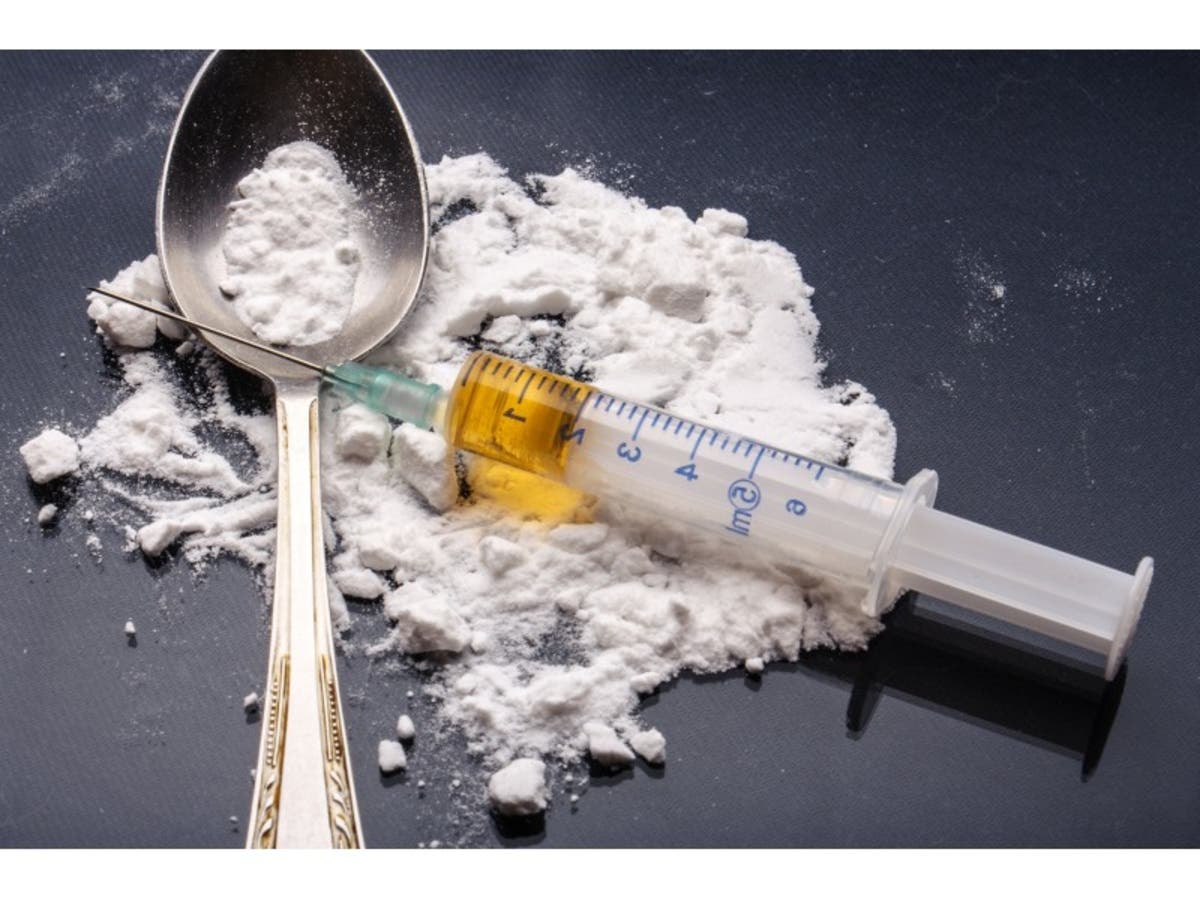
As it continues its battle against the opioid epidemic gripping the county and the nation as a whole, Camden County announced it will file a lawsuit against the drug companies, owners, manufacturers, distributors and retailers they say ignited the epidemic.
The lawsuit is being filed under civil racketeering statutes that claim they owned and operated a criminal enterprise, marketed and shipped millions of highly addictive narcotics throughout the nation, including Camden County, officials said on Wednesday.
The lawsuit names, among others, Purdue Pharma and its owners, the Sackler Family. The county accuses the Sackler Family of deceiving doctors and the public at large into believing that opioids can be prescribed for long-periods of time with little to no risk of addiction.
Find out what's happening in Gloucester Townshipfor free with the latest updates from Patch.
It seeks financial and injunctive relief, as well as funding for programs to reduce the demand for and availability of heroin and prescription drugs. It looks to create awareness programs to help educate residents about resources available to prevent and treat addiction, and to create additional resources to treat and prevent addiction to heroin and prescription drugs.
“The record profits achieved by Purdue Pharma, the Sackler family and those that worked in concert with them, were earned at the expense of the millions of individuals who became predictably addicted to the tsunami of opioids unleashed upon the marketplace,” Camden County Freeholder Director Louis Cappelli Jr. said in a release announcing the lawsuit. “The meteoric rise in opioid prescriptions, and the attendant rise in addiction to and abuse of these drugs, is not due to a medical breakthrough, but rather the defendants’ quest for greater profits at the expense of American lives.”
Find out what's happening in Gloucester Townshipfor free with the latest updates from Patch.
“We are deeply troubled by the prescription and illicit opioid abuse crisis, and are dedicated to being part of the solution,” Purdue Pharma said in a statement. “As a company grounded in science, we must balance patient access to FDA-approved medicines, while working collaboratively to solve this public health challenge. Although our products account for approximately 2 percent of the total opioid prescriptions, as a company, we’ve distributed the CDC Guideline for Prescribing Opioids for Chronic Pain, developed three of the first four FDA-approved opioid medications with abuse-deterrent properties and partner with law enforcement to ensure access to naloxone. We vigorously deny these allegations and look forward to the opportunity to present our defense.”
Purdue Pharma said it has distributed the federal Centers for Disease Control and Prevention's Guideline for Prescribing Opioids for Chronic Pain for nearly two years, and has also directed prescribers to the Surgeon General’s Turn the Ride Rx.
The lawsuit contends that while Purdue Pharma and its top executives made billions of dollars off its scheme, 75 percent of patients in heroin treatment today started their opioid use with prescription medications, not heroin, according to the CDC.
The lawsuit said that those who have an opioid dependency, but cannot obtain a prescription — either because they cannot afford it, or cannot find a doctor to fill it — turn from prescription pills to heroin, which is more potent and cheaper.
“These individuals were knowingly poisoning our families and children and doing it all under the guise of pain management, when we really know it was all based on greed,” Cappelli said. “This was a transparent flooding of the marketplace going back to 1995 when the FDA approved (oxycodone drugs) and has ended with their latest announcement that Purdue will no longer market this deadly addictive narcotic. Our families in Camden County deserve more, and today is the first step in making these defendants pay for their criminal behavior.”
Since the mid-1990s, the county claims the manufacturers aggressively marketed and falsely promoted opioids as presenting little to no risk of addiction, even when used long term for chronic pain.
“They infiltrated medical academia faculty and literature as well as regulatory agencies to convince doctors that treating chronic pain with long-term opioids was evidence-based medicine when, in fact, it was not,” the county claims.
“In New Jersey, deaths from heroin and fentanyl overdoses more than tripled in the last five years. That’s tragic and unacceptable,” Rep. Donald Norcross (D-1), vice chair of the Congressional Bipartisan Heroin Task Force, said. “Camden County, led by Freeholder Director Cappelli, has been fighting to curb the opioid epidemic on all fronts and knows we must do all we can to help those struggling with the disease of addiction. There is true human cost that’s at stake.”
"We are in the middle of a major health crisis, losing a generation to addiction, brought on by Big Pharma and their deceptive and unlawful marketing of opioids — these companies need to be held responsible for the harm their deception has caused,” said Gloucester Township resident Patty DiRenzo, whose son Sal lost his battle with addiction.
In response, Purdue Pharma pointed to changes it has made to its commercial operation, including that it “will no longer be promoting opioids to prescribers.”
“Effective Monday, February 12, 2018, our field sales organization will no longer be visiting your offices to engage you in discussions about our opioid products,” Purdue Pharma recently wrote in a letter to its healthcare providers. “Going forward, questions and requests for information about our opioid products will be handled through direct communication with the highly experienced healthcare professionals that comprise our Medical Affairs department.”
The company said its discussions with medical providers have always included the following points, among others:
- Opioids are not the first-line or routine therapy for chronic pain;
- There should be established goals for pain and function;
- Discussion on the risks and realistic benefits and availability of nonopioid therapies;
- Do not prescribe and extended-release/long-acting opioid for acute pain;
- Use immediate release when starting; and
- Start at a low dose and go slow.
Purdue Pharma also said it laid off over half its salespeople last week, and the roughly 200 salespeople remaining will focus on marketing Symproic and other potential non-opioid products.
Camden County said it has suffered significant costs and a loss of resources attempting to stifle the epidemic, an impact that has touched nearly every branch of government from emergency services to the courts, to care facilities and clinics, to prisons, and to the police department.
“In many cases, municipal law enforcement agencies have, by default, become the first responders to deal with the crisis,” the county said. “This is not only counter-productive to law enforcement’s intended mission, but not an effective way to stem of the epidemic of addiction.”
“Today we take a bold step to correcting the grave injustice that Purdue Pharma and others have perpetrated on thousands of individuals that have fallen to the epidemic of addiction,” Gloucester Township Mayor David Mayer said.
Patch file photo
Get more local news delivered straight to your inbox. Sign up for free Patch newsletters and alerts.