Community Corner
Dirty Dozen vs. Clean Fifteen
The latest list of foods with the highest (and lowest) pesticide residue.

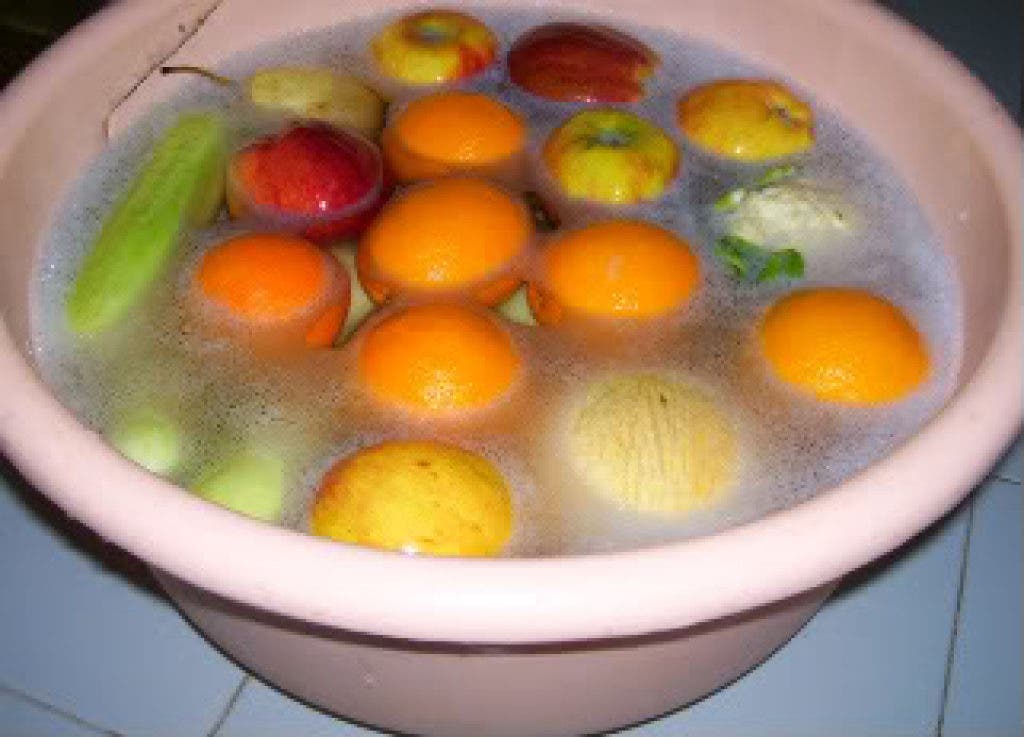
If you are even moderately conscious about what you eat, and about what goes into your food, you may have heard of the “Dirty Dozen,” a list of 12 food crops considered by many environmental groups to be the worst offenders, when conventionally grown, for pesticide usage.
Every year health and environmental watchdog groups such as the Environmental Working Group (EWG) release health information relating to food crops in the United States. There is an additional release of information based on criteria for imported crops as well. The results are based on data provided by the US Food and Drug Administration and the US Department of Agriculture.
When considering replacing conventional produce with organic, health and environmental groups will recommend using your food dollars to substitute the EWG's so-called “Dirty Dozen” first.
Find out what's happening in Gloucester Townshipfor free with the latest updates from Patch.
Another option of course is to grow your own produce where possible to ensure that you control what is and isn't being sprayed on your crops.
So which of your favorite fruits and vegetables comprise this year's list? Here they are from one to 12, with one being the worst offender when it comes to chemical pesticide usage and residue.
Find out what's happening in Gloucester Townshipfor free with the latest updates from Patch.
- Apples
- Celery
- Bell peppers
- Peaches
- Strawberries
- Imported nectarines
- Grapes
- Spinach
- Lettuce
- Cucumbers
- Domestic blueberries
- Potatoes
These crops contain the greatest amount of pesticide residues, contain the greatest variety of pesticides used, and pose the greatest health risk if consumed without proper washing prior to consumption.
Let’s face it, though—for a variety of reasons, not everyone wants to switch to organic. That’s OK. Good and thorough washing is acceptable in many cases. Although it is important to note that agricultural pesticides cannot be removed with plain water. You need to use a mild detergent, commercial pesticide remover, or even a nice soak in some plain white vinegar (one part vinegar to three parts water). For those who opt not to go organic, lists like these can serve as a guide to where a gentle rinse should be substituted with a hearty scrub before eating.
And for those who do wish to go organic, but are limited by the extra dollars it can sometimes take to make the switch, there’s another helpful list I like to use.
It’s called the “Clean Fifteen.” A list comprised using the same methods as the “Dirty Dozen” list, this list allows you to see where the least amount of chemical pesticides and residues are. So, you can use your organic dollars, or your growing room, for the big offenders, and keep it conventional with the cleaner options.
This year's “Clean Fifteen” includes:
- Onions
- Sweet corn
- Pineapples
- Avocado
- Cabbage
- Sweet peas
- Asparagus
- Mangoes
- Eggplant
- Kiwi
- Domestic canteloupe
- Sweet potatoes
- Grapefruit
- Watermelon
- Mushrooms
You can view a full list of 49 crops that utilize harmful and dangerous pesticides at the EWG’s Shopper’s Guide to Pesticides in Produce.