Neighbor News
A Gymnast's Comeback: How BEAR® Surgery Healed More Than Just a Knee
Orthopedic Procedure and Hard Work Helps Gymnast Regain Competitive Edge
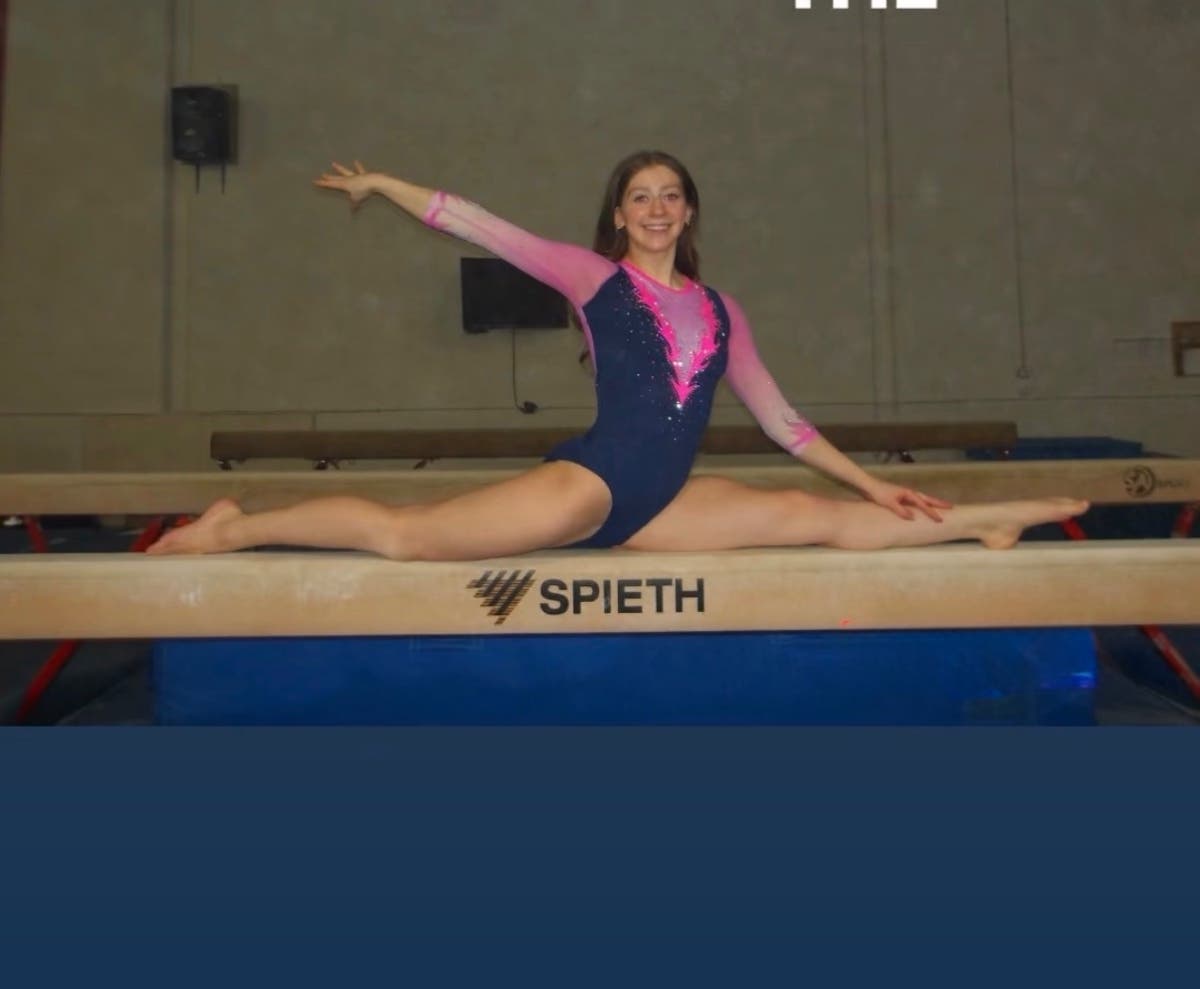
Fifteen year-old Zoe Lenz is ready - and so is her knee - for the gymnastics State Championships which are scheduled to begin in May. Four meets into the 2026 season, competing two levels higher than during her last season in 2024, she was competing again this weekend. A year ago, this was not so certain for Zoe, who is finishing up her sophomore year at Villa Walsh Academy in Morristown, and trains at North Stars Gymnastics in Boonton, New Jersey.
“It all started at a routine practice at the gym just weeks after finishing the strongest season of her life,” says Mom, Erin Lenz. “Zoe had excelled at all of her events - vault, bars, beam and floor - and was on track to level up for the next season. While performing a routine skill on beam (that she had done countless times before), she fell and landed wrong.” The diagnosis confirmed their worst fear: a complete ACL tear.
For decades, this diagnosis meant one thing: a long, grueling road of ACL reconstruction. It meant surgeons would have to take a piece of her own hamstring or patellar tendon—her body's own healthy tissue—to replace the torn ligament. For a gymnast whose power and precision depend on every muscle working in perfect harmony, the idea of creating a second injury to fix the first is devastating.
Find out what's happening in Hasbrouck Heightsfor free with the latest updates from Patch.
Tens of thousands of teen athletes suffer ACL tears each year in the U.S. and the risk is greater for a female athlete, according to studies. Female athletes are 2 to 8 times more likely to tear their ACL than male athletes and anatomy, hormones and sports form, specifically neuromuscular control, is linked to the difference.
Differences in pelvic width and the angle of the thigh bone (Q-angle) can put more stress on the knee. Hormonal fluctuations during the menstrual cycle may affect ligament laxity. Studies show that female athletes tend to land from jumps and cut with their knees in a more "knock-kneed" (valgus) position and rely more on their quadriceps than their hamstrings, which puts the ACL under immense strain.
Find out what's happening in Hasbrouck Heightsfor free with the latest updates from Patch.
Zoe’s journey took a different turn, thanks to the orthopedic technology available at Hackensack Meridian Health.
Orthopedic surgeon Yair Kissin, M.D.,operated on Zoe utilizing a new option first performed at Hackensack University Medical Center - the BEAR® Implant.
Instead of replacing her ACL, the BEAR procedure would help her body heal its own ligament. The concept was simple but brilliant: the surgeon would place a small, protein-based "bridge" into the gap between the torn ends of her ACL. Infused with her own blood, this implant would create the perfect environment for her ligament to regrow and reattach, just as nature intended.
“With the BEAR technology, Dr. Kissin’s impeccable work, and Zoe’s dedication to her rehab plan, she has returned to gymnastics this year stronger than ever before,” said Mom.