Politics & Government
Feds Play Hot Potato Over Sleep Apnea Testing After 2 Train Crashes
Sleep apnea may have played a role in train crashes in Hoboken and NYC. But who should be responsible for testing transportation workers?


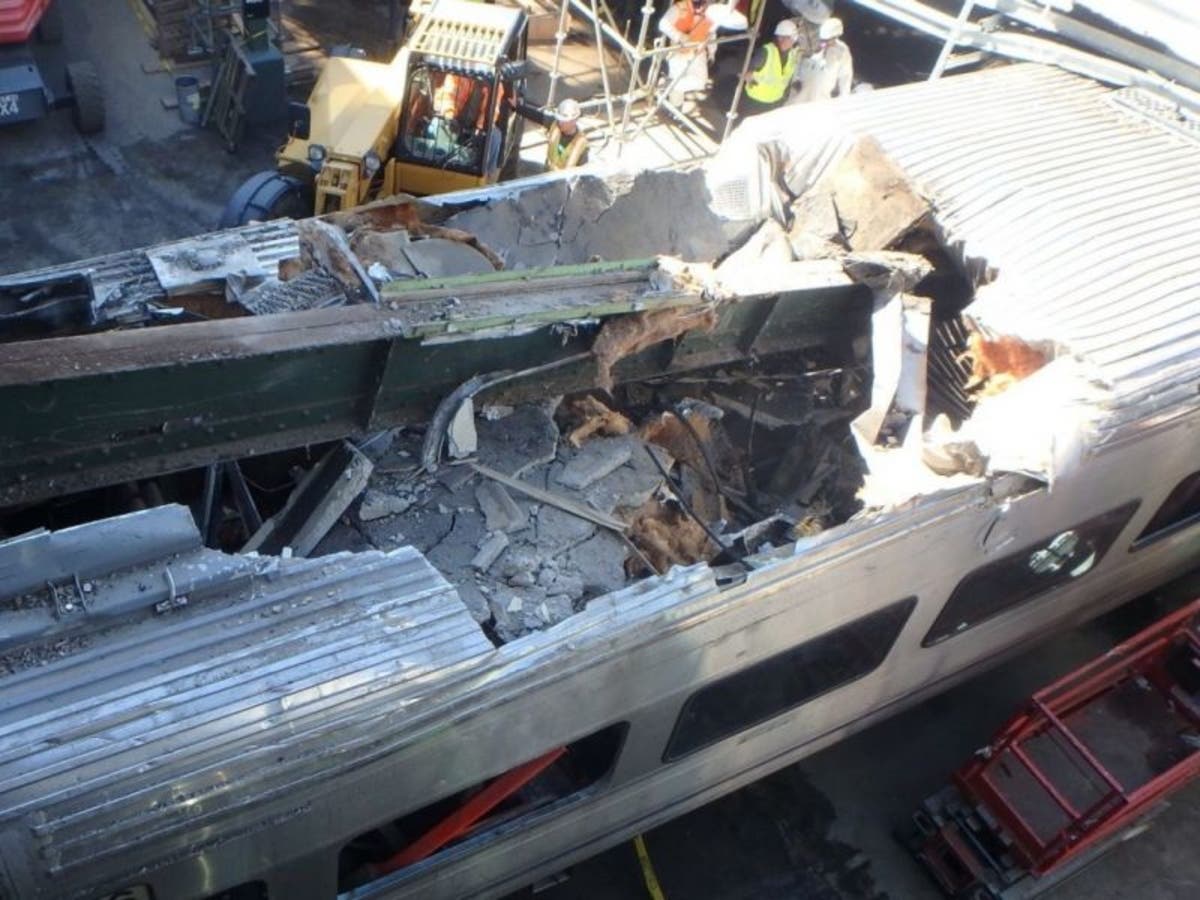
HOBOKEN, NJ — It’s a classic Catch-22 situation with a Washington D.C. twist. Federal inspectors say that the engineers of two trains involved in a pair of recent crashes suffered from sleep apnea. But regulators with the ability to mandate testing for the disorder won’t pull the trigger.
Welcome to the federal hot-potato game over sleep apnea testing.
Earlier this week, the National Transportation Safety Board released a report that stated the engineers involved in the Sept. 29, 2016, New Jersey Transit crash in Hoboken and the Jan. 4, 2017, Long Island Rail Road crash in Brooklyn both suffered from severe sleep apnea and have no memory of the crashes.
Find out what's happening in Hobokenfor free with the latest updates from Patch.
Neither engineer had been diagnosed with the disorder before the collisions, according to the documents.
- See related article: Sleep Apnea, Speed Cited In NYC-Area Train Crashes
However, only a month earlier, officials with the Federal Railroad Administration (FRA) and the Federal Motor Carrier Safety Administration (FMCSA) withdrew a proposed rule that would have required railroad workers and truckers for obstructive sleep apnea.
Find out what's happening in Hobokenfor free with the latest updates from Patch.
Instead, transportation agencies such as Metro-North and NJ Transit will be allowed to voluntarily conduct their own testing for the disorder.
It was a decision that officials at the National Transportation Safety Board called “disappointing.”
- See related article: Feds Eschew Test For Sleep Disorder Linked To Hoboken Train Crash
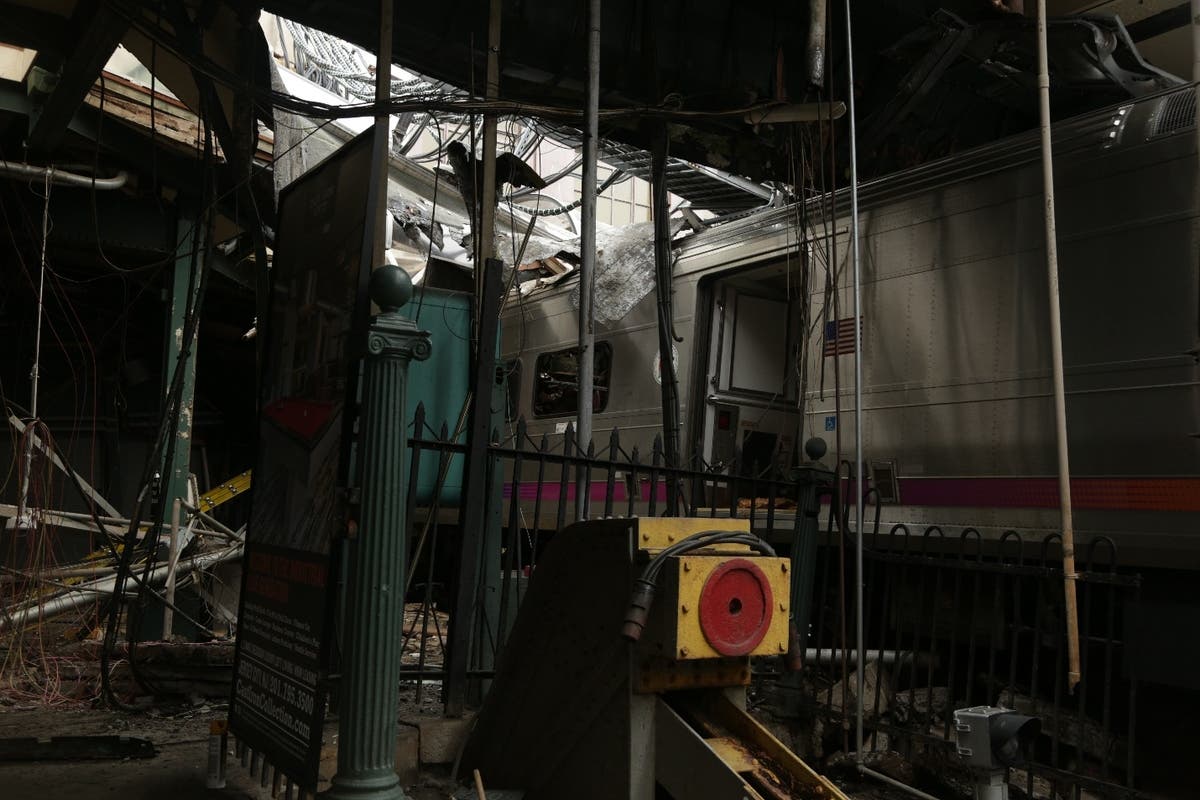
In November of 2016, an attorney for the engineer of the ill-fated NJ Transit train that crashed into the Hoboken Terminal claimed that his client’s sleep apnea disorder may have played a role in the tragedy.
- See related article: Hoboken Train Crash: Engineer Had Sleep Apnea, Attorney Says
The family of the Hoboken crash victim, Fabiola Bittar de Kroon, have stated that they plan to sue NJ Transit for its alleged role in her death.
- See related article: Family Of Killed Woman Plans To Sue NJ Transit
While federal regulators clash over exactly who is responsible for sleep apnea testing, several elected officials have said that in the end, the buck has to stop somewhere.
“It is clear that the standards in place at the time of the [Hoboken] crash fell far short of what is needed to protect the public and to ensure the health of NJ Transit’s safety-critical employees,” U.S. Senators Robert Menendez and Cory Booker (NJ) wrote in a recent letter to NJ Transit Executive Director Steve Santoro.
“Based on the information in the Medical Factual Report, it also appears that NJ Transit’s initial screening for sleep apnea is insufficient in identifying individuals at risk,” the senators stated.
NJ Transit officials have since announced that the agency is in the midst of a sweeping sleep-apnea screening initiative, with 350 of the agency’s 370 engineers already having undergone screenings.
- See related article: 1 Year After Hoboken Train Crash (How Has NJ Transit Improved Safety?)
While Menendez and Booker acknowledged improvements since last year’s fatal accident in Hoboken, they made clear that NJ Transit must also continue to evaluate and improve its own standards “to ensure the safety of the traveling public and the well-being of its employees.”
Other area transportation agencies such as the Port Authority’s PATH have previously undertaken efforts to test their workers for sleep disorders.
- See related article: PATH Tackles PTC and Sleep Apnea In Wake Of Hoboken Train Crash
WHAT IS SLEEP APNEA?
Sleep apnea – a chronic and ongoing condition that disrupts patients' nighttime patterns – is not rare among transportation workers, some experts say.
Metro-North recently found that as many as 11.6 percent of its engineers in the New York City suburbs may suffer from the disorder, the Associated Press stated.
Watch the below video for more information about the disorder.
Send feedback and news tips to eric.kiefer@patch.com
Main Photo: National Transportation Safety Board
Get more local news delivered straight to your inbox. Sign up for free Patch newsletters and alerts.