Crime & Safety
Hoboken Train Crash: Engineer Had Sleep Apnea, Attorney Says
The engineer of the NJ Transit train that killed one woman and injured more than 100 others is claiming that he has a sleep disorder.


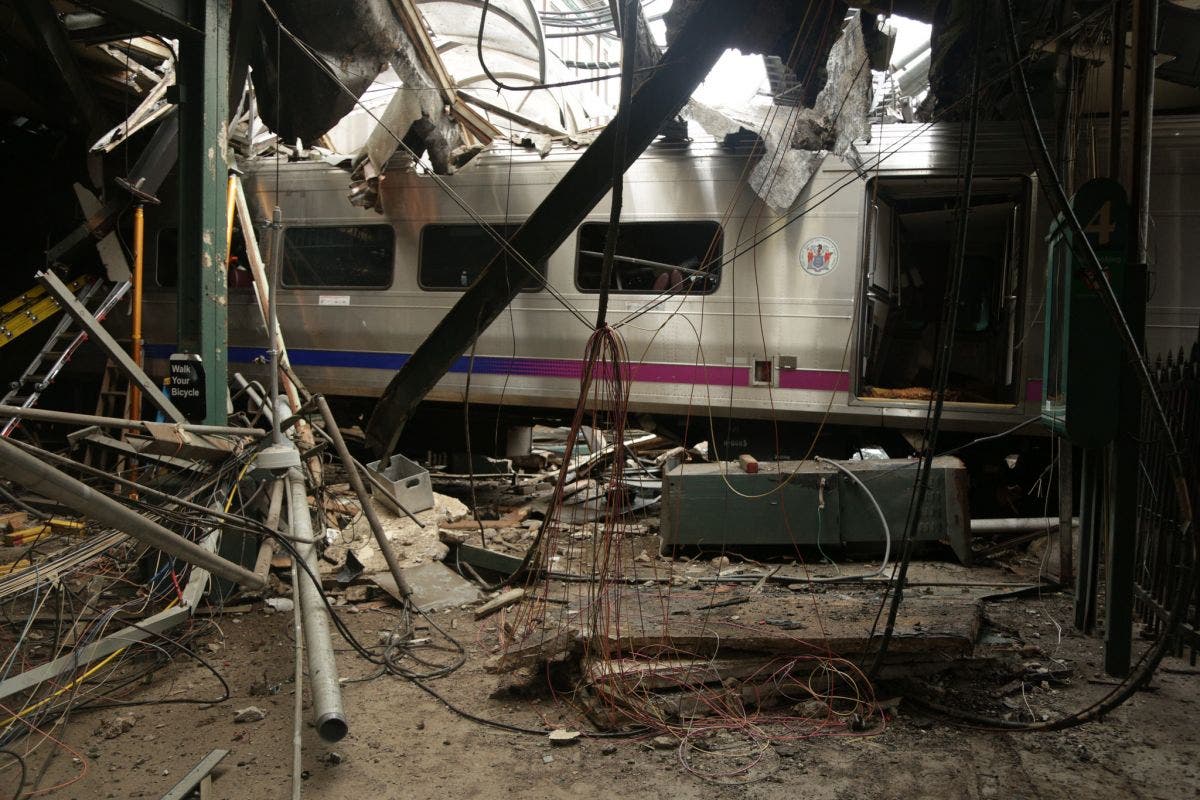
HOBOKEN, NJ — An attorney for the engineer of the ill-fated NJ Transit train that crashed into the Hoboken Terminal in September is claiming that his client’s sleep apnea disorder may have played a role in the tragedy, reports say.
Thomas Gallagher, who was the engineer aboard the train when it collided with the busy Hudson County terminal, killing a woman and injuring more than 100 others, recently learned that he had undiagnosed sleep apnea at the time of the incident, his attorney said.
Gallagher sent his test results to federal authorities on Oct. 31, his attorney said.
Find out what's happening in Hobokenfor free with the latest updates from Patch.
Although he previously stated that he had “no memory” of the crash, Gallagher now believes that his sleep apnea may have played a role in his reaction, his attorney said.
- See related article: Train Engineer Has 'No Memory' Of Hoboken Crash As Other Problems Arise In Probe
According to the National Health Institute, sleep apnea is a chronic and ongoing condition that disrupts patients' nighttime patterns.
Find out what's happening in Hobokenfor free with the latest updates from Patch.
"As a result, the quality of your sleep is poor, which makes you tired during the day," the NHI states. "Sleep apnea is a leading cause of excessive daytime sleepiness. [The disorder] often goes undiagnosed. Doctors usually can't detect the condition during routine office visits. Also, no blood test can help diagnose the condition. Most people who have sleep apnea don't know they have it because it only occurs during sleep."
For people with sleep apnea, the combination of disturbed sleep and oxygen starvation may lead to hypertension, heart disease and mood and memory problems, the National Sleep Foundation states.
"Sleep apnea also increases the risk of drowsy driving," the NSF writes.
U.S. Sen. Robert Menendez used the newly released information about the engineer's alleged sleep disorder to push for Positive Train Control in NJ Transit's fleet.
“If it is determined that the engineer suffered from a chronic condition that contributed to the crash, it only further underscores the critical need for Positive Train Control, which is precisely designed to prevent a train from exceeding the required speed limit in the case of operator impairment," Menendez stated.
Federal inspectors found multiple safety violations at Hoboken Terminal only months before the fatal train crash claimed the life of a 34-year-old woman and injured more than a hundred other riders, a NJ Transit official stated during a recent state oversight hearing.
NJ Transit Executive Director Steve Santoro detailed numerous alleged violations discovered during the federal spring inspection effort, including:
- On-duty workers using personal cell phones
- Failure to equip trains with required emergency equipment, including working fire extinguishers
- Crew members failing to perform required brake tests on trains
- Trains stopping too close to each other
- Train engineers failing to blow horns at grade crossings
- A failure to rehire at key NJ Transit positions, including the chief of its Office of System Safety
Federal investigators’ recent findings come on the heels of reports that the ill-fated Sept. 29 train was traveling more than twice the station’s speed limit.
- See related article: Investigators Release New Details In Hoboken Crash Probe
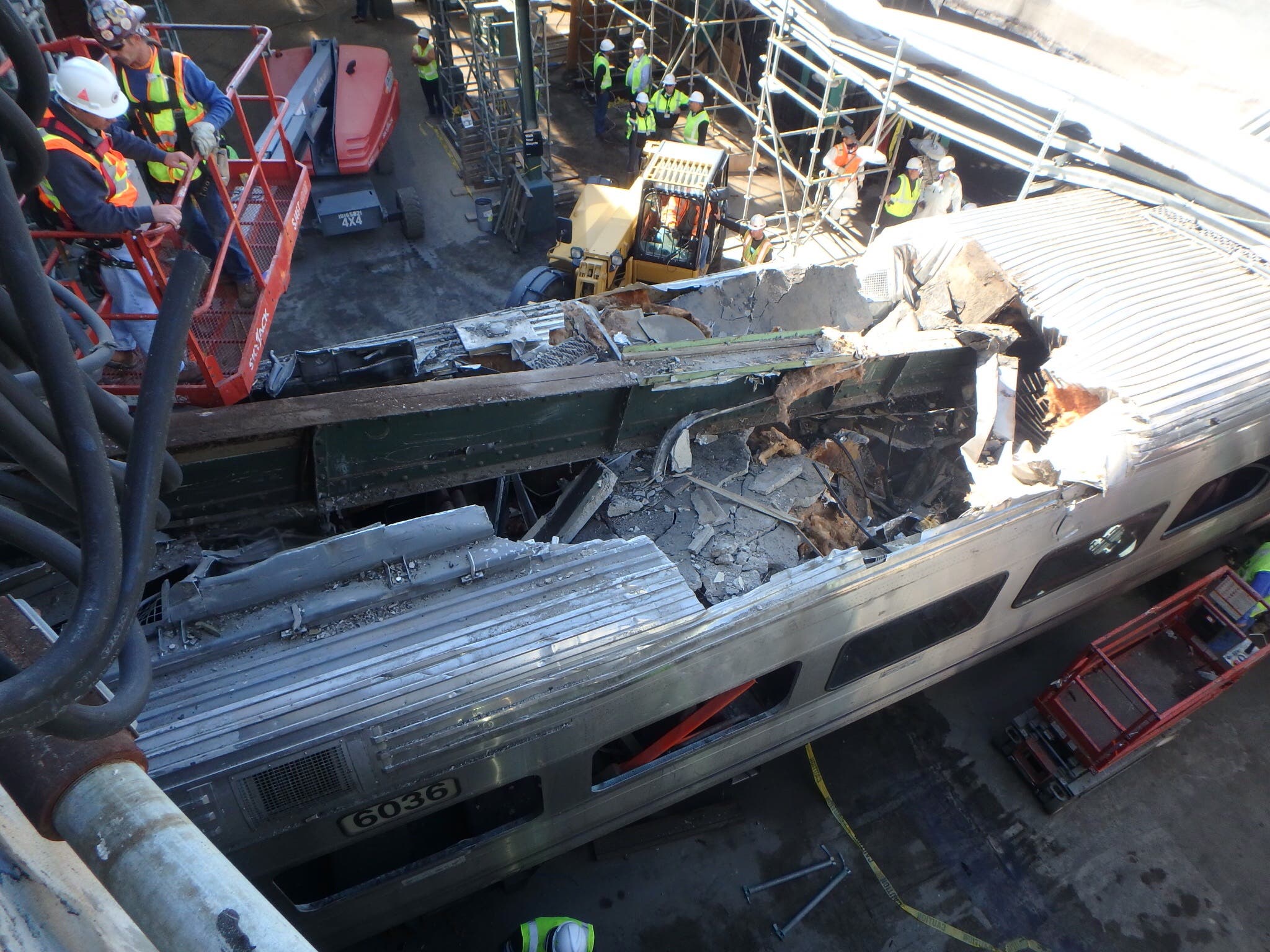
During the crash, 34-year-old Hoboken mother Fabiola Bittar De Kroon was killed after being hit by debris on the Hoboken platform while the crash's impact caused the terminal's roof to collapse, sending metal flying into the air, officials said.
- See related article: Hoboken NJ Train Crash Latest: Victim Identified, More Than 100 Injured
- See related article: Pair Of Fundraisers Started In Hoboken Train Crash Victim’s Name
Santoro previously said that riders will find a few significant differences in the wake of the crash.
“As an extra safety measure, trains entering Hoboken Terminal will decrease their approach speed from 10 mph to 5 mph to complement the new safety measure of having the conductor ride in the cab car with the engineering.
“The combination of additional track space as well as the added safety measure will demonstrate that we are working swiftly and purposefully toward providing our customers with an optimal commute,” Santoro said.
- See related article: NJ Transit Makes Rule Change After Tragic Hoboken Train Crash
- See related article: Rider Plans To Sue NJ Transit For Hoboken Train Crash
Authorities fully reopened the terminal on Oct. 17.
- See related article: Hoboken Terminal To 'Fully Reopen' After Fatal NJ Transit Train Crash
Sleep apnea is believed to have one of the factors that contributed to a deadly train derailment in December 2013 on Metro-North's Hudson Valley Line. A post-accident sleep study by the National Transportation Safety Board after that crash found that the engineer, William Rockefeller, suffered from severe sleep apnea.
Metro-North's Pascack Valley and Port Jervis lines are operated by NJ Transit; Metro-North started testing its engineers for sleep apnea in 2014.
- See related article: Metro North to Test All Train Engineers for Sleep Apnea
Photo: National Transportation Safety Board
Send local news tips, photos and press releases to eric.kiefer@patch.com
Get more local news delivered straight to your inbox. Sign up for free Patch newsletters and alerts.