Community Corner
How To Pick A Lobster: N.J. Restaurant Shares Tips
Looking for a change from hotdogs and hamburgers? Here's how to pick the perfect lobster for your end-of-summer cookout.


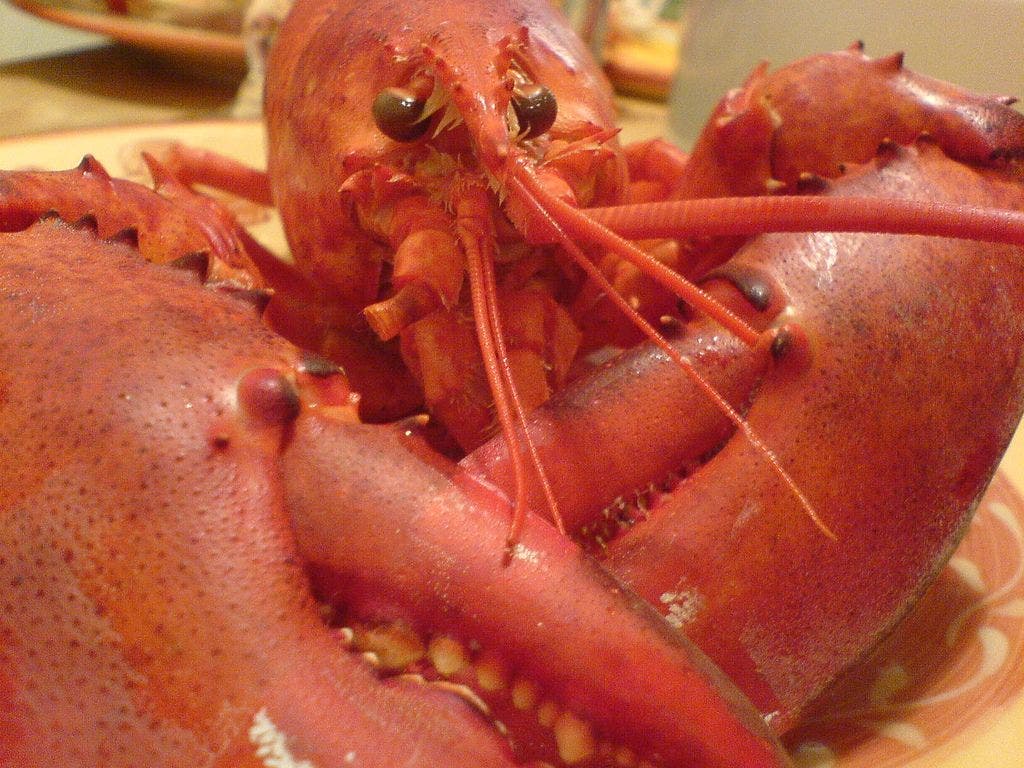
As the summer comes to an end and the Labor Day weekend approaches, outdoor cooking and barbecues are on the minds of many New Jersey residents. But if you’re looking for a change from hamburgers and hotdogs, there’s another feasting option for your last-day-of-summer fling: lobster.
Recently, the Livingston-based Strip House at the Hotel Westminster shared a series of tips for choosing the perfect lobster, which can be seen in their entirety here.
According to the restaurant, here’s what to keep in mind when choosing a lobster:
Find out what's happening in Hobokenfor free with the latest updates from Patch.
- Feel the shell – There are hard-shell and soft-shell lobsters. It’s just a function of whether the lobsters have recently shed or not. The meat in soft-shells is a little bit sweeter and more tender, but a lobster with a softer shell has recently molted and is likely to have more water weight and less meat. They’re not as hearty, so they don’t travel as well as hard-shell lobsters. Hard-shell lobsters have more meat, but they can be a bit tougher. On a new shell (soft-shell), the claws will be clean. On an old shell (hard-shell), they’ll have scrapes on them from when they’ve banged against rocks over the course of the year. If they’ve recently shed, it’ll be a pretty clean shell without very many scrapes on it – another way to tell if it is a soft or hard lobster.
- No smell – They should not emit any odor when they are alive.
- Pick a lively lobster - Make sure to scan the tank for a vivacious lobster. The more active the lobster, the more tender the meat. If it’s limp when you pick it up, that’s a sign of a soon-to-be-dead lobster. If you straighten out their tails, they should swiftly curve back under the body.
- Look for long antennas – The longer the better. A secret to buying at a grocery store – the lobsters in the holding tank will often eat each other’s antennae. If you look into a tank at a store, you can tell if a lobster has been there for a long time because their antennae may have been nibbled down to the base.
- Check out the color – Don’t be turned off by the varieties of color. Live lobsters are usually dark green or greenish-brown, but lobsters can be found in a range of colors including blue, white, orange, yellow, black, and sometimes even red. If you look at the underbody of the lobster, particularly the claws, they’re usually a vibrant red.
- Size matters – The larger the lobster the tougher the meat. Strip House at the Hotel Westminster Chef Cenobio prefers under two pounds. He says that lobsters under two pounds have tender and flavorful meat.
- Location! Location! – There are many different species, but Cenobio says the best come from Canada and Maine.
- Don’t be biased – Most aficionados would agree that there is no difference in the taste between male and female lobsters.
- Pay attention to price – The price of this species is between 9 to 11 dollars a pound. If the price is lower often the quality is as well.
Photo: Flickr Commons
Find out what's happening in Hobokenfor free with the latest updates from Patch.
Send local news tips, photos and press releases to eric.kiefer@patch.com
Get more local news delivered straight to your inbox. Sign up for free Patch newsletters and alerts.