Neighbor News
Could Stroke Prevention Include...Brushing and Flossing?
Studies show that treating gum disease could reduce your risk for stroke. Preventing it is even better.


National Stroke Awareness Month has just concluded, but preventing tragedy means being aware all year long. According to the American Stroke Association (ASA), stroke is the fifth leading cause of death among Americans, yet 80% of strokes are preventable. The key to preventing stroke is to know your risk factors. High blood pressure, smoking, inactivity and diabetes are among the most common causes you can control. But did you know gum disease is considered a likely influence?
Inflammation and Stroke
Multiple studies, including two presented to the ASA by noted neurologist Souvik Sen, MD, MS, MPH, have found that the inflammation caused by periodontal disease (gingivitis and periodontitis) may raise the risk of stroke in at least two ways: by contributing to a higher risk of severe blockage of large arteries, and by increasing the chance of atrial fibrillation, an irregular heartbeat.
Find out what's happening in Holmdel-Hazletfor free with the latest updates from Patch.
How Can an Infection in the Mouth Affect Blood Flow in the Body?
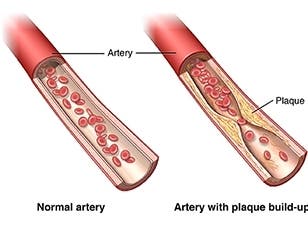
Gingivitis, with its red and irritated gums, is a bacterial infection. As with all infections, it triggers the body's immune response, including a flow of inflammatory cells. This is acute inflammation, and with treatment it will resolve. Untreated, gingivitis will progress to periodontitis, with gum loss, tooth loss and chronic inflammation. The body continues to flood the infected area with inflammatory cells, which make their way into the bloodstream. Once those cells have invaded the body, they can increase the chance of blood clots and lead to plaque buildup that narrows the arteries in the brain. Both of these conditions can cause stroke.
Find out what's happening in Holmdel-Hazletfor free with the latest updates from Patch.
Studies Show the Link, and How a Clean Mouth May Help
The inflammation introduced by periodontal disease can promote the growth of "plaque lesions" in blood vessels which can narrow or block the arteries. Dr. Sen's first study found that strokes involving such blockages in the brain were twice or even three times as common in patients with gum disease, depending on the artery or blood vessel affected.
When inflammatory cells infiltrate the heart, they can cause scarring known as atrial fibrosis. Atrial fibrosis leads to atrial fibrillation (AFib), an irregular heartbeat that can result in blood clots. When those blood clots break free and travel to the brain, they cause strokes. Dr. Sen's second showed that patients who received regular preventive dental care and treatment for gum disease had a significantly lowered risk for atrial fibrillation.
Dr. Sen published another study in 2021 confirming periodontal disease's associate with atrial fibrillation, and continues to investigate the connection.
See Dr. Sen's studies here and here
Take That Preventative Step
There is an established link between good oral health and good overall health: we call it the "mouth-body" connection. In addition to stroke, poor periodontal health is associated with cardiovascular disease, diabetes, pregnancy, even cancer. Take your first step to protect your health and that of your family. Maintain regular dental visits. If you're diagnosed with gingivitis or periodontitis, see a board-certified periodontist for advanced treatments that clean out bacteria and inflammation, save your gums and teeth, and could save your life.
Please share this information with those you care about. To learn more about the the mouth-body connection, feel free to contact me at holmdelperiodontics@gmail.com or read more here and here.