Neighbor News
Six Simple Ways to Prevent Gum Disease
Say no to periodontal disease! This National Gum Care Month, take time to properly care for your teeth and gums with six easy steps.

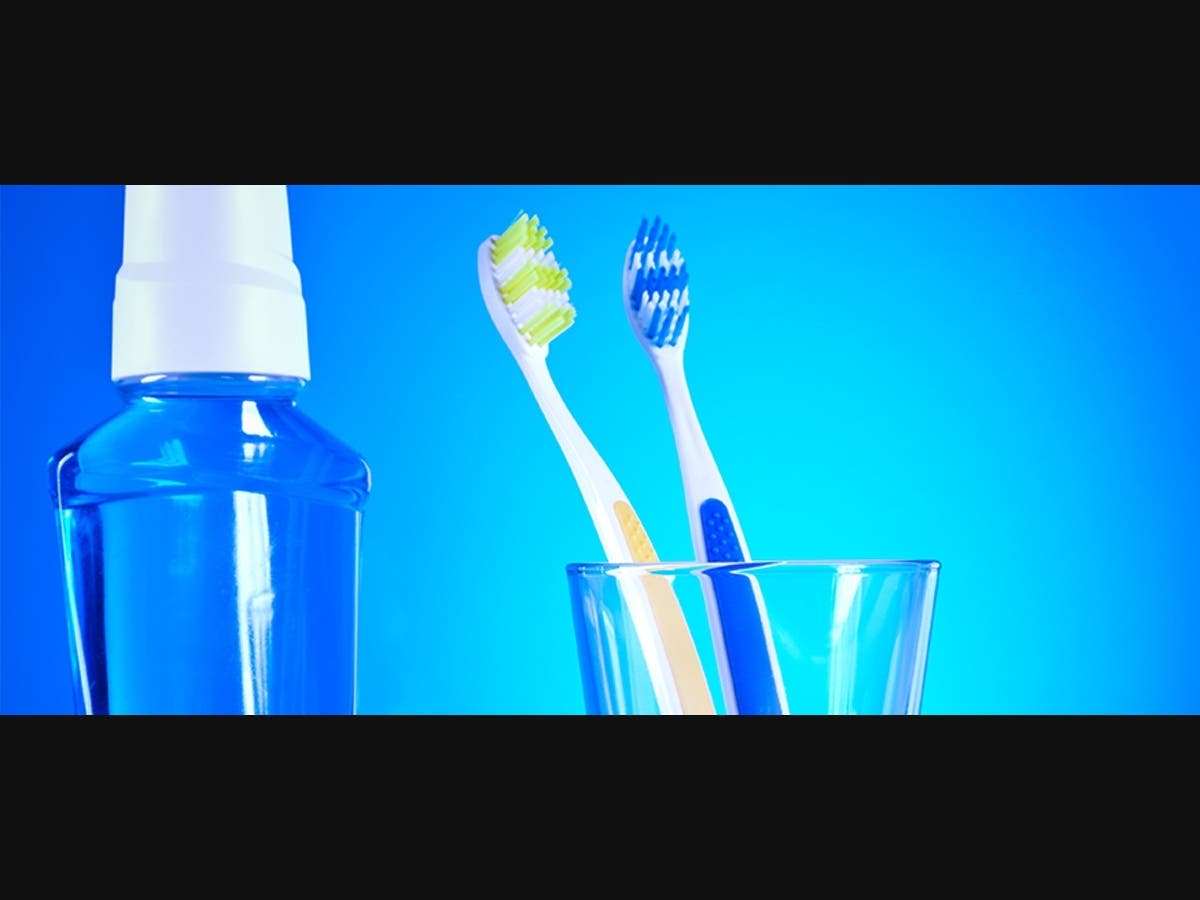
Keeping gums healthy is a priority to all dental professionals. Ask and they'll tell you the first steps to lasting gum health begin at home with brushing, flossing, and rinsing twice a day. National Gum Care Awareness Month is a good time to learn why.
Gum disease (periodontal disease) is the greatest threat to the health of your gums. It is caused by plaque, a sticky, invisible film on the tooth surface. Plaque forms on everyone's teeth every day as a result of eating, combined with the natural bacteria in your mouth. If you've ever run your tongue over your teeth and felt residue, that is plaque.
As long as plaque is removed, it is not harmful. Problems arise when it is not cleaned off but allowed to accumulate. Plaque bacteria will start to infect the gums, causing inflammation, tenderness and possible bleeding when brushing, all indicators of early periodontal disease called gingivitis. If you experience these symptoms, a periodontal exam and cleaning are in order.
Find out what's happening in Holmdel-Hazletfor free with the latest updates from Patch.
If plaque is not removed it will harden into calculus, which will continue to spread bacteria. As the infection grows, the gums will shrink and pull away from the teeth and underlying bone will be destroyed. With these supports gone, teeth will ultimately fall out.
Unlike plaque, calculus can only be removed by a dental professional. The damage it causes can be treated by a periodontist, but it can't resolve by itself. Preventing it all with the right home care is the wise choice
Find out what's happening in Holmdel-Hazletfor free with the latest updates from Patch.
- Brush your teeth. First and Foremost. Brushing after meals helps remove food debris and plaque trapped between your teeth and gums. Use soft bristles that won't cause irritation and don't brush too hard. Remember to brush your tongue; bacteria loves to hide there.
- Floss. Flossing at least once a day helps remove food particles and plaque between teeth and along the gum line where your toothbrush can’t quite reach. It's tempting to skip, but then you're not reaching the whole tooth surface.
- Swish with mouthwash. Using a mouthwash can help reduce plaque and may remove remaining food particles that brushing and flossing missed.
- Consider an electric toothbrush. Because you can't push hard with a power brush, you won't hurt your gums while getting a good cleaning. It's also helpful for people with limited manual dexterity.
- Know your risks. Smoking weakens the immune system, leaving you vulnerable to infection. A diet heavy in sugar and carbohydrates will produce more plaque. Diabetes and pregnancy contribute to periodontal disease. Age and genetics also play a role. If you are at increased risk, be sure to talk with your dental professional.
- See a periodontist. Get an annual comprehensive periodontal evaluation.
Celebrate Gum Care Awareness with a review of your home oral care habits. It's easy to see how dedicating a few minutes a day to thorough cleaning can protect your gums, bones and teeth.