Politics & Government
A Man In Lacey, A Woman In Iran, And Trump's Travel Ban
They fell in love while studying in the U.S. They're engaged. But due to the travel ban, they're worlds apart.


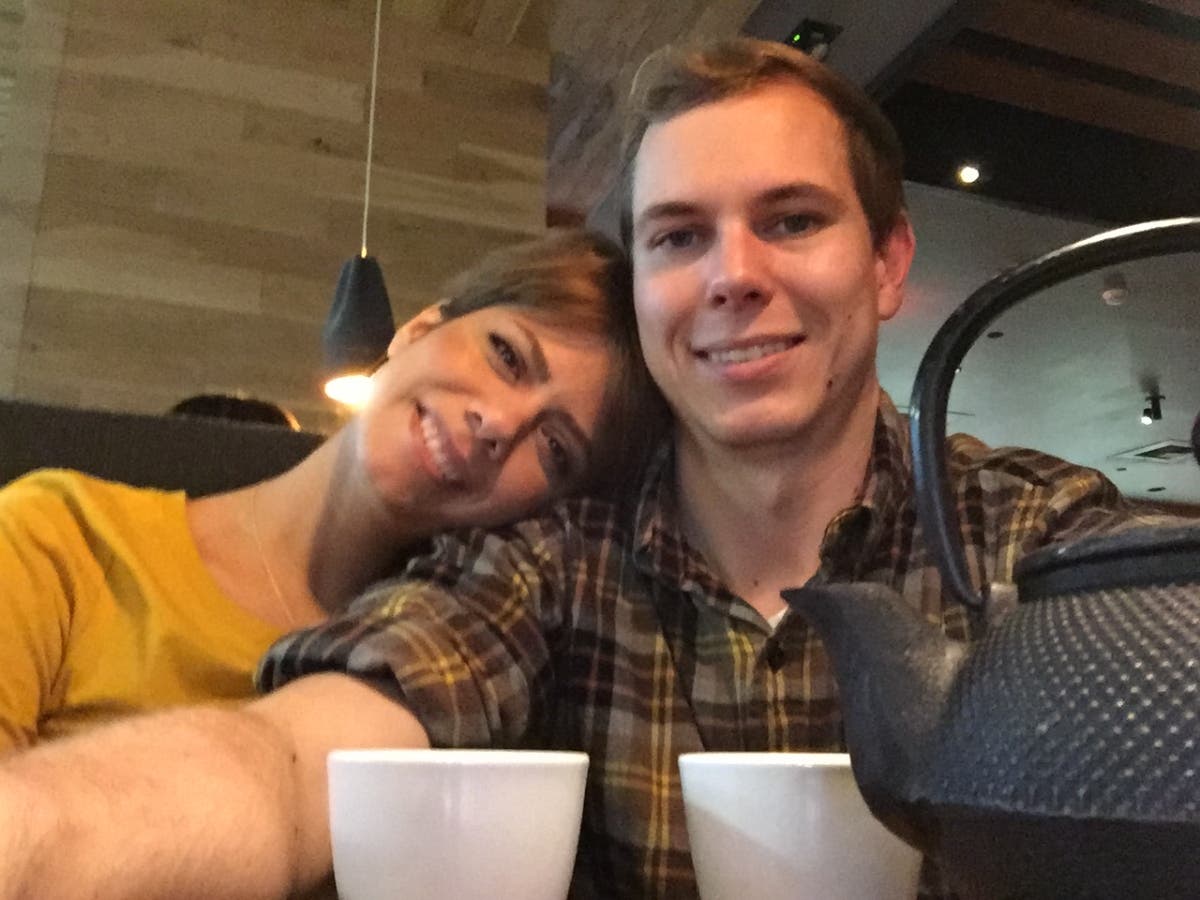
LACEY, N.J. — Brian Swank didn't know how lucky he would become when he entered the SUNY College of Environmental Science and Forestry. In class, he met an Iranian woman named Mehraneh, for whom their professor helped obtain a student visa.
Their paths converged through the Syracuse school's landscape architecture PhD program. Swank, who now lives in Forked River, asked her to coffee and realized Mehraneh would become so much more to him.
"She’s so kind and caring and sweet and fun and beautiful and smart," Swank told Patch. "I knew I could not lose this girl. She’s my soulmate."
Find out what's happening in Laceyfor free with the latest updates from Patch.
Swank and Mehraneh are engaged. But since she had to return to Iran three years ago, they have seen each other for just eight weeks, only on vacations. Mehraneh's last name will remain confidential due to rising tensions between the U.S. and Iran.
They know they belong together. They want to start a family. But President Donald Trump's travel ban keeps them worlds apart, paving their path with anxiety and uncertainty.
Find out what's happening in Laceyfor free with the latest updates from Patch.
Mehraneh's Journey To America
Mehraneh worked toward her dreams in Iran. She focused on promoting a sense of vitality in children through nature to improve urban parks.
She realized there weren't enough contemporary references or documents in Iranian academia to show her how she could conduct research on the modern topic. There were no academics in Iran who specialize in the narrow field.
"I decided to apply for J1 visa to pursue the research part in the United States to have access to the material and references which were necessary to my research under the supervision of professors who specialized experience in the same topic I was working on," Mehraneh told Patch via email.
Mehraneh contacted a professor at SUNY-ESF and discussed her research area through several video calls. That professor sent her an official invitation letter, which sparked her process of obtaining a student visa.
She sent over necessary documentation, including financial statements and her score on the International English Language Testing System. University officials sent her the DS-2019 form to begin applying for a visa — an international standardized test of the English language for non-native speakers.
Mehraneh laid out all steps and stages of her future studies regularly. With the necessary documents completed, she set an appointment in the U.S. embassy in Dubai. It was there a consular officer reviewed her work experience and education history.
Officials at the embassy told Mehraneh her case needed to endure administrative processing, including a background check. That process took about 2 or 3 months. Finally, she sent her passport and her visa was issued.
'I Will Never Give Up On Us'
-1554822379-1604.jpg)
Swank and Mehraneh met in 2014. Their relationship "developed very quickly," Swank said. They spent Thanksgivings and Christmases at Swank's parents' house. They travelled to Washington, D.C., and New York City together.
Mehraneh said they knew they were meant to be together forever seven months into their relationship. They discussed marriage and having a family together.
"She’s my soulmate," Swank said. "I’m so lucky to have met her from halfway around the world. … I can’t imagine life without her."
But it sank in for Swank in 2016: her student visa neared its expiration date, and Mehraneh needed to return to Iran.
Swank knew he couldn't lose her. They sat at Swank's house, holding hands, on May 11, 2016: a date they'll always remember.
"Brian asked me, “Will you do whatever it takes for us to be together? Will you marry me?” Mehraneh said. "He promised he will never give up on us. I quickly, with a smile on my face, said yes and I promised I will never give up on us either."
Mehraneh had to return to Iran for at least two years. The federal Immigration and Nationality Act requires visiting scholars to return to their home country at least two years before applying for another U.S. visa.
They knew Swank could not go with her. He would risk imprisonment in Iran as a Christian. Iran also prohibits Muslim women from marrying non-muslim men.
The Trump era
Months later, Trump won the presidency. During the campaign, Trump called for a "total and complete shutdown of Muslims entering the United States." Three days later, Trump tweeted that the United Kingdom "is trying hard to disguise their massive Muslim problem."
The United Kingdom is trying hard to disguise their massive Muslim problem. Everybody is wise to what is happening, very sad! Be honest.
— Donald J. Trump (@realDonaldTrump) December 10, 2015
Once Trump took office, he developed several versions of a travel ban for several Muslim-majority nations. In June, the Supreme Court issued that the third version of the travel ban could take effect. Mehraneh's interview for a fiancee visa took place that July.
Even though she and Swank began preparing documents a year before beginning the initial petition, the travel ban made an already arduous process more difficult. Mehraneh needed to apply for an exemption to the travel ban.
Mehraneh had to undergo an administrative process and visa interview to ensure she wasn't a threat to the US, even though she proved that to obtain her student visa. Only 5.9 percent of applicants have qualified for such waivers as of Oct. 31, according to the state department.
At the interview, the consular officer told Mehraneh her documents were in order. But her qualification for a waiver needed investigation, and she would receive an answer in 5 to 6 months.
Nine months later, she hasn't received an answer. As a petitioner, Swank emailed the Abu Dhabi embassy and asked about their case status. They never emailed him back, Mehraneh said.
Swank reached out to Senator Cory Booker and then-U.S. Representative Tom MacArthur for congressional inquiries. Booker and MacArthur received the same response both times: the case is under administrative process in order to qualify for a waiver for an unknown period of time.
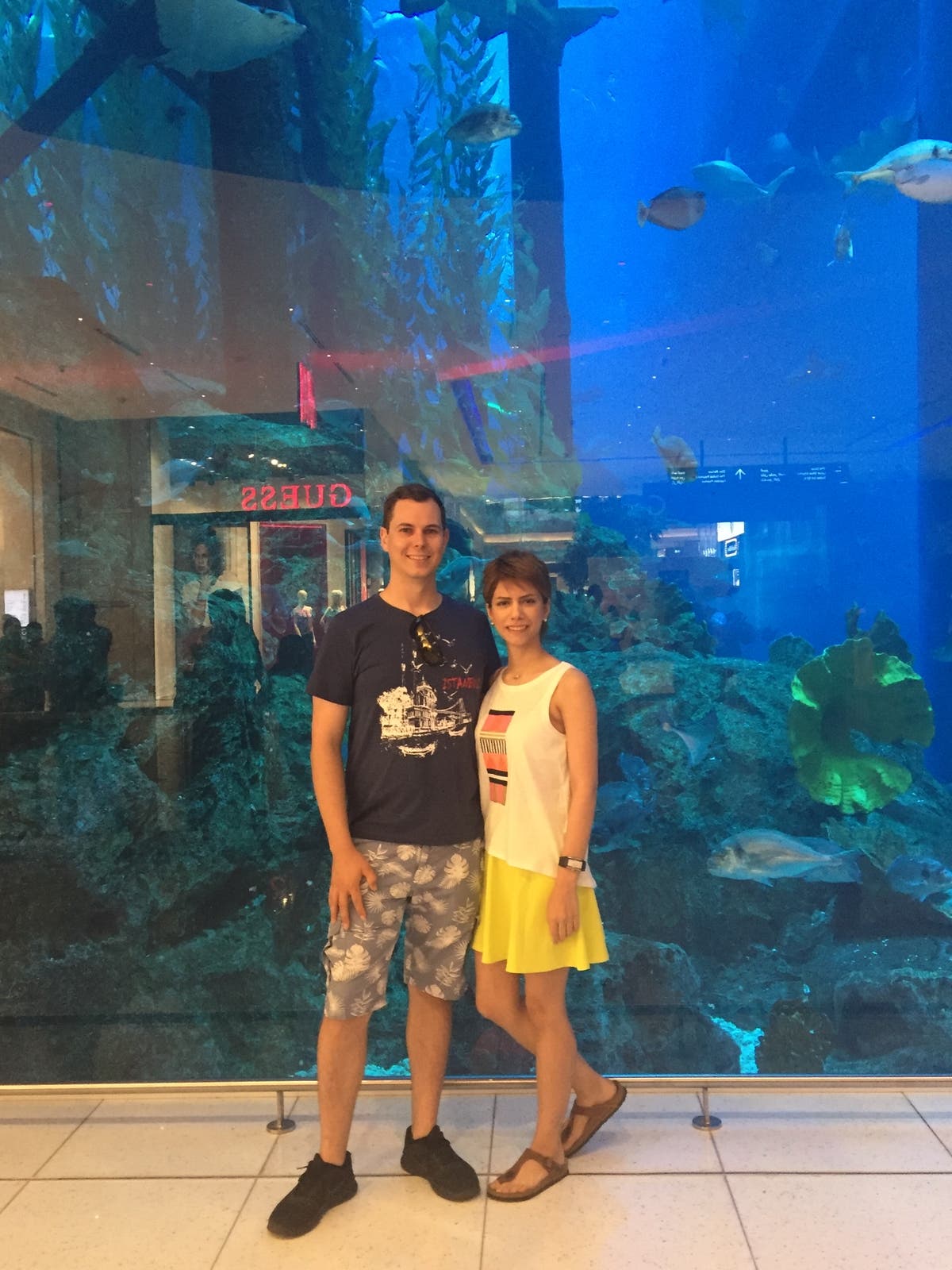
Mehraneh and Swank talk on the phone, Facetime and text all day long. They last saw each other in person in early January on a vacation. They're worlds apart, but they vividly remember when they were at Swank's house, holding hands.
"I told her, ‘I love you more than anything in the world. I don’t want to lose what we have. I’m very lucky to have that. I want us to be together and do whatever we have to do for that," Swank said.
Click here to get Patch email notifications on this or other local news articles or get Patch breaking news alerts sent right to your phone with our app. Download here. Follow Lacey Patch on Facebook. Have a news tip? Email josh.bakan@patch.com.
Get more local news delivered straight to your inbox. Sign up for free Patch newsletters and alerts.