Politics & Government
To Mow Or Not To Mow? Lacey Mulls Options For Bayfront Park
Are they native grasses that bring beauty to the neighborhood or weeds that invite pests? Officials debated what to do with Bayfront Park.


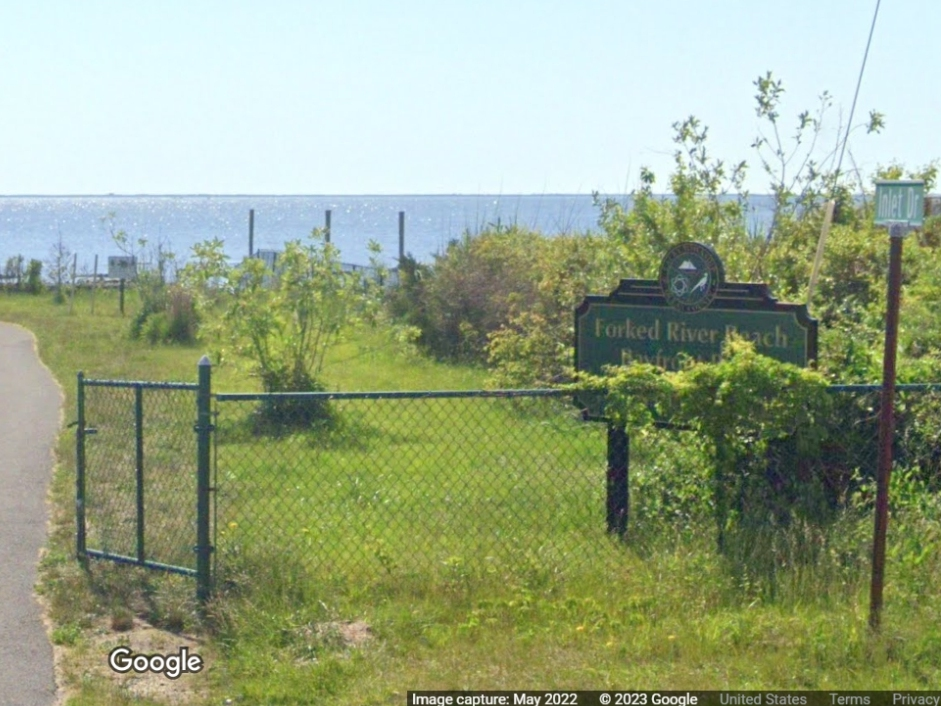
LACEY, NJ — Asters, goldenrod and alfalfa. Some find these to be beautiful, natural vegetation, while others think they are nuisances that attract more nuisances.
These plants and more grow wild at Bayfront Park in Forked River Beach and were the subject of lengthy discussion and debate at the latest Township Committee meeting.
More than an hour of the meeting was spent hearing both sides of the issue and what should be done about it, as seasonal restrictions are placed on mowing, which is allowed to begin as of Oct. 15.
Find out what's happening in Laceyfor free with the latest updates from Patch.
Township officials were initially unsure of what to do.
"Our problem is we're trying to please everybody, and we're not pleasing anybody at this point in time," said Mayor Tim McDonald.
Find out what's happening in Laceyfor free with the latest updates from Patch.
After hearing both sides of the argument, officials ultimately decided that homeowners should put up a sign that either says cut or don't cut. A meeting with professionals will be held at a later date to determine how to move forward.
The debate over the grasses has been ongoing for several years, with some wanting them to stay and some wanting them gone.
One big problem with the growth, as a resident plainly put it, is "goose s--t." Others cited mosquitos and an overgrowth of weeds.
Laura Schetelich, a Forked River Beach resident, countered these arguments.
"They're not weeds. They're native plants," Schetelich said, noting that geese prefer shorter grass, that bugs are common at the Jersey Shore and that a decrease in the bird population may be responsible for the increase in mosquitos.
She asked that if the grass is cut, to at least wait until the end of November when asters and goldenrod stop blooming. She added that mowing should end earlier too, so milkweed can grow as monarch butterflies lay eggs on it.
Another resident, Sandra Arnold, feared that turtle hatchlings were unable to get into the water due to the overgrowth. Some Forked River Beach residents had worked with John Wnek of Project Terrapin to help with turtles.
"There is no way those little terrapins are going to make it across that hard path and get down into that bush," said Ed Jarrett, who complained that turfgrass is choking out seagrass.
Stan Hales, director of the Barnegat Bay Partnership, spoke on what he characterized as "a lot of misinformation about a lot of things."
He said a lot of turtles come out of the ground the following spring, and that you likely won't see them come out because the area isn't a very good nesting habitat. The native plants have such deep-growing roots that they go into the nest and "basically tap into the eggs for nourishment," Hales said.
Hales said a compromise is possible and the vegetation can be cut down, but the critical part is the timing, as the vegetation is important to migrating birds.
"I'll be honest, birds don't read signs very well," Hales said. "They don't know that October 16th, they're supposed to be down south."
Hales recommended visiting the Barnegat Bay Partnership website to learn about native plants and more.
Get more local news delivered straight to your inbox. Sign up for free Patch newsletters and alerts.