Politics & Government
Zika Virus Leads to Enhanced Protection Against Mosquitoes in Mercer County
A warmer spring is expected to arrive earlier than usual.


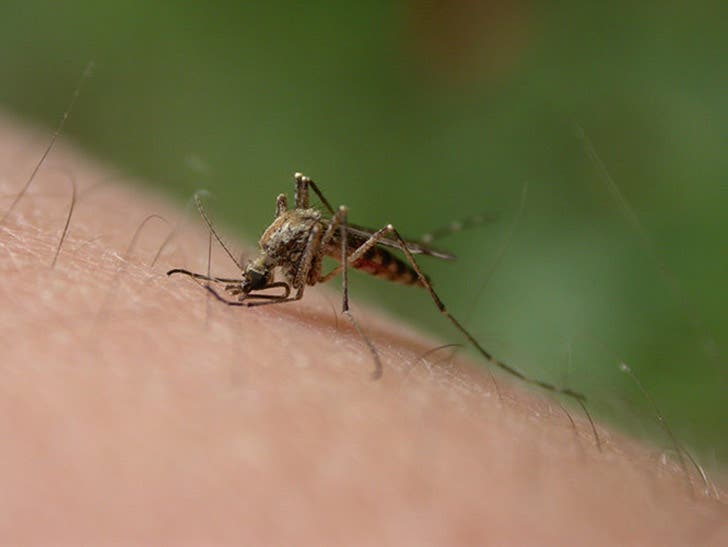
Mercer County didn’t take a break from fighting mosquitoes this year, county officials said as they prepare for a warm spring that is expected to arrive earlier than usual and the proliferation of Zika Virus in America.
Mercer County Executive Brian M. Hughes said Mercer County Mosquito Control practices what is known as Integrated Mosquito Management (IMM) to suppress local mosquito populations, making both larval and adult surveillance programs the backbone of its operations.
“We generally initiate larval surveillance in mid-March, and adult surveillance during the first week of May,” Superintendent of Mosquito Control Isik Unlu said. “However, we did not take a break this year since Zika virus has been in the headlines every day.”
Find out what's happening in Lawrencevillefor free with the latest updates from Patch.
Zika is a viral infection that is spread by the bite of an infected mosquito. Outbreaks typically occur in tropical Africa and Southeast Asia. Brazil reported the first outbreak of Zika in the Americas in May of 2015, and Zika is now present in many tropical areas.
The only immediate threat to Mercer County residents from Zika virus exists for travelers to areas where the virus is currently circulating, Unlu said.
Find out what's happening in Lawrencevillefor free with the latest updates from Patch.
She added that if travel to these areas cannot be avoided, people should take precautions to protect themselves from mosquito bites by wearing long-sleeve shirts and long pants, using an appropriate repellent, and staying indoors when mosquitoes are most active.
“Even though the County runs a highly sophisticated Mosquito Control program to safeguard the health of residents, and has embarked on a multi-year study of the Asian tiger mosquito, mosquitoes remain a reality in the area throughout the warmer months,” Hughes said. “Mosquitoes are a backyard problem, and community involvement is crucial for success in controlling them. I urge our residents to take some simple measures, such as eliminating standing water in and around their homes, to protect themselves and their families from mosquitoes.”
Female mosquitoes lay eggs on the walls of water-filled containers. To keep those eggs from hatching and becoming adult mosquitoes, residents should take the following steps:
- Empty out water from containers in your yard such as buckets, recycle bins and potted-plant saucers.
- Store tires indoors or away from rain. Check for tire recycling programs in your area.
- Empty and replace water in bird baths at least once a week. Remember: water plus seven days equals mosquitoes.
- Make sure drain pipes slope downward. These drain pipes are dominated by Asian tiger mosquito immatures, and this species is an aggressive day biter.
- Maintain your pool. Remove water from tarps and pool covers.
Other steps residents can take include keeping mosquitoes out of the home by installing or repairing window screens and using air conditioning when available; and preventing mosquito bites by using an Environmental Protection Agency-registered insect repellent with an active ingredient such as DEET, Picaridin, IR3535, Oil of lemon eucalyptus (OLE) or para-menthane-diol (PMD).
For more information, contact Mercer County Mosquito Control at (609) 530-7501 or http://nj.gov/counties/mercer/departments/mcmc/.
Get more local news delivered straight to your inbox. Sign up for free Patch newsletters and alerts.