Schools
Kindergarten Makes Way for Ducklings
Students are 'egg-cited' about science with lessons on hatching and caring for their newborn ducks.
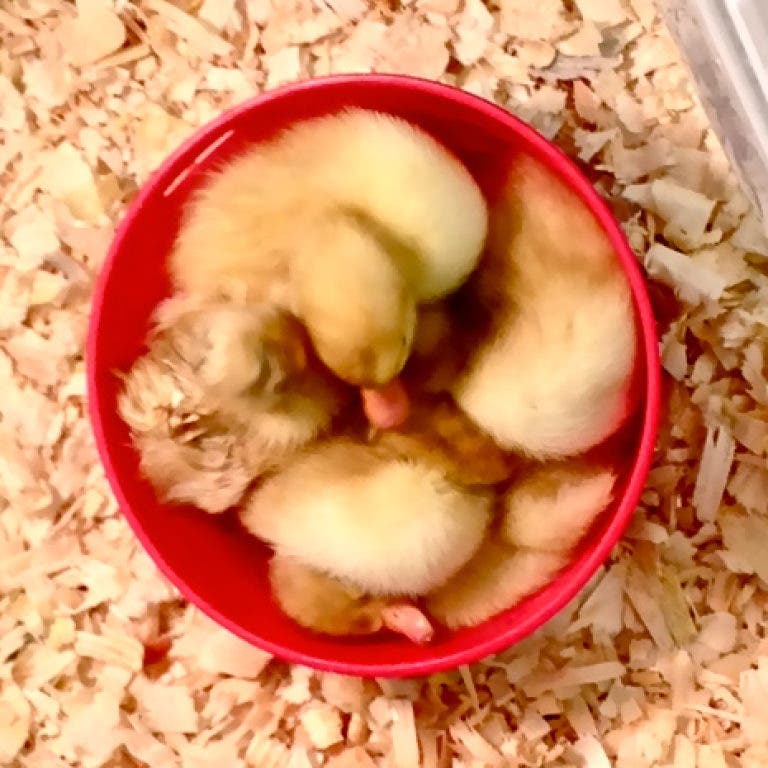


What’s all the fuss about in Kindergarten? It’s definitely the fluffy, yellow ducks hatching in the classrooms.
For 28 days, students played the role of the mother duck, tending to the eggs and turning them in the incubator. They researched ducks and learned about the embryo and different parts of an egg. Now that they’re here, “we read about ducks, write about ducks, and watch the ducks learn, grow, and change,” said Julie Bachrach, a Kindergarten teacher at Burnet Hill.
Students turn to the ducks for inspiration in their writing, and make scientific discoveries, like watching how their webbed feet paddle in doll-sized pools. “We will see the ducks swim for the first time, preen their feathers, and waddle along,” Bacharach said. “We learn that just like in Make Way for Ducklings, they will follow the imprinted 'mother' (me) down the hall.”
Collins posted live video of the eggs for curious parents and other classrooms to see. At Burnet Hill, eggs began to crack when teachers arrived and the ducklings arrived within minutes of the students. Images of ducklings being born were projected onto Smartboards for the classes to see. Mount Pleasant set a record for hatching: 14 in one egg-citing day.
“The children are also amazed to see that a duckling cannot only walk, eat, and drink almost as soon as it's born, but it can swim shortly after hatching,” said Mt. Pleasant teacher Beth Alterman.
“They grow so quickly. We have had them out running around the classroom and parading down the hallway,” added Heather Bannon, a teacher on the Riker Hill Kindergarten team.
At first the students at Burnet Hill weren’t sure what was growing inside. “They brainstorm everything that hatches from an egg,” Bachrach said. And their list includes everything from dinosaurs to birds, snakes, alligators, and turtles.
As they slowly learn facts about animals born from eggs, the students eliminate animals from the list until they narrow it down to duckling. “Right away they eliminate anything that hatches in water. They'll cross of robin because our eggs aren't blue, hummingbird because our eggs aren't that small,” Bachrach said.
“This year my class got down to pigeon, chick, and duck. Then they had to really research because all three have wings, feathers, beaks, and hatch from white eggs,” she said. “It took them knowing our eggs would take 28 days to hatch and finding out that pigeons take 17-19 days, chicks take 21 days and ducks take 28 days to hatch to know that we had duck eggs.”
Lessons are integrated throughout curriculums, including science, writing, math, and world language. Students at Mt. Pleasant Elementary loaned Barbie swimming pools and baby tubs for the ducklings’ first swims. “They were eager to see how the ducks' webbed feet work,” Mrs. Alterman said.
Students wrote persuasive essays urging them to hatch (one student said the ducks should hurry because there’s board games in the room!). They’ve penned “love notes” to the newborns; given them names like Cupcake, Cutie, Rockstar, and Little Quack; and are learning about the parts of the duck’s body – in Spanish, thanks to Señora Konner.
The childrens’ affections for these new friends have come as naturally as ducks take to water. “They’re really special to us,” one of the students, Matthew Lopa, said.
The ducklings will be leaving soon for new homes, the Burnet Hill ducklings, for instance, heading to a farm that works with children with disabilities.
Many thanks to the Kindergarten teams for sharing their photographs. Their enthusiasm and tenderness with both the newborns and their eager young learners makes it clear they are indeed Lucky Ducks!
This article was submitted by Livingston Public Schools.