Business & Tech
Livingston Firm Announces Its Part in Global IVF Breakthrough
Reprogenetics is part of a global team behind a new science that may make in vitro fertilization more accessible to couples who wish to become parents.


A local genetics research firm is celebrating its part in a historic birth.
On Monday, Reprogenetics announced the birth of Connor Levy, the first baby ever born through in vitro fertilization using genetic information found in human embryos.
A company statement explained that the newborn's parents, Marybeth Scheidts and David Levy, underwent IVF at a Philadelphia clinic last fall. That process created 13 embryos from whom cells were taken and sent to a British laboratory. Only three of the 13 had the correct number of chromosomes; one of them was transferred back into Scheidts.
Find out what's happening in Livingstonfor free with the latest updates from Patch.
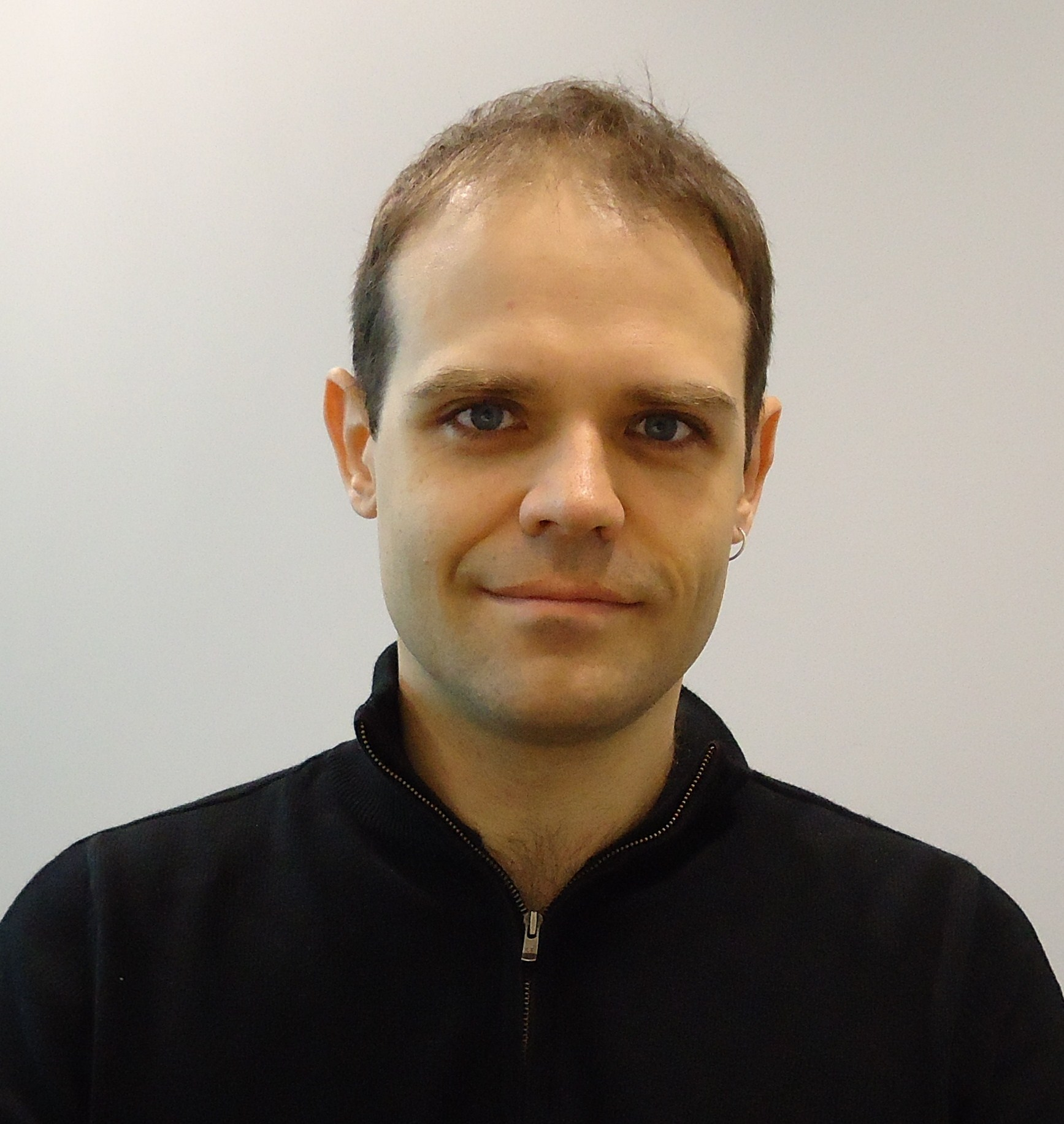
The scientist behind this discovery is Dr. Dagan Wells, who works out of Reprogenetics' Livingston and London offices and from the NIHR Biomedical Research Centre at the University of Oxford in the UK. This week, Wells was recognized for his achievement in the area of Next Generation Sequencing by the European Society of Human Reproduction and Embryology in London.
According to Wells, the cost of NGS, which enables simultaneous testing on embryos for a variety of abnormalities, is significantly lower than that of existing screening methods, suggesting that this technique ultimately may bring genetic analysis within reach for a much larger number of infertile couples.
Find out what's happening in Livingstonfor free with the latest updates from Patch.
“Reprogenetics congratulates Dr. Wells on his outstanding accomplishment to genetic analysis and achieving this monumental goal in the reproductive space,” said Dr. Jacques Cohen, the company's scientific director. “We are proud of the quality team we have established, including Dr. Wells, who all play an integral role in us reaching the goal of predicting viability of embryos with our NGS technique, and what it can ultimately mean for patients.”
To test the accuracy and predictability of NGS, Reprogenetics UK conducted an international study in collaboration with U.S. IVF clinics using a technique that had never before been applied in the screening of human embryos. The study looked at multiple cells from cell lines known to have chromosomal abnormalities, genetic defects such as cystic fibrosis or other mutations.
Once the accuracy of the new technique was proven, it was applied clinically, with cells sampled from seven 5-day old embryos produced by two couples undergoing IVF. The mothers were 35 and 39 years old, and one had a history of miscarriage. The outcome validated the NGS technique, which accurately identified abnormalities in those cells that had been previously identified as having them.
In the clinical setting, NGS revealed three viable embryos from Scheidts and Levy and two from another couple. The news has been promising so far for both pairs, Reprogenetics reported: Both women were implanted with an embryo. Scheidts recently gave birth to her healthy son Connor Levy, and the other pregnancy is ongoing.
“We greatly admire the vision, drive and perseverance demonstrated by Dr. Wells and his team," said Dr. Jamie Grifo, of New York University, which participated in the study. "This ... validates an important new approach to genetic analysis, and we look forward to working with [Reprogenetics] and pursuing this research further.”
Get more local news delivered straight to your inbox. Sign up for free Patch newsletters and alerts.