Crime & Safety
Livingston’s Fire Hydrants Will Flow; Fall Flushing Set
Livingston residents may notice Water Division employees working at fire hydrants or see water running down the street.


LIVINGSTON, NJ — The following news release comes courtesy of Livingston Township. Send local news tips, photos and press releases to eric.kiefer@patch.com. Don’t forget to visit the Patch Livingston Facebook page here.
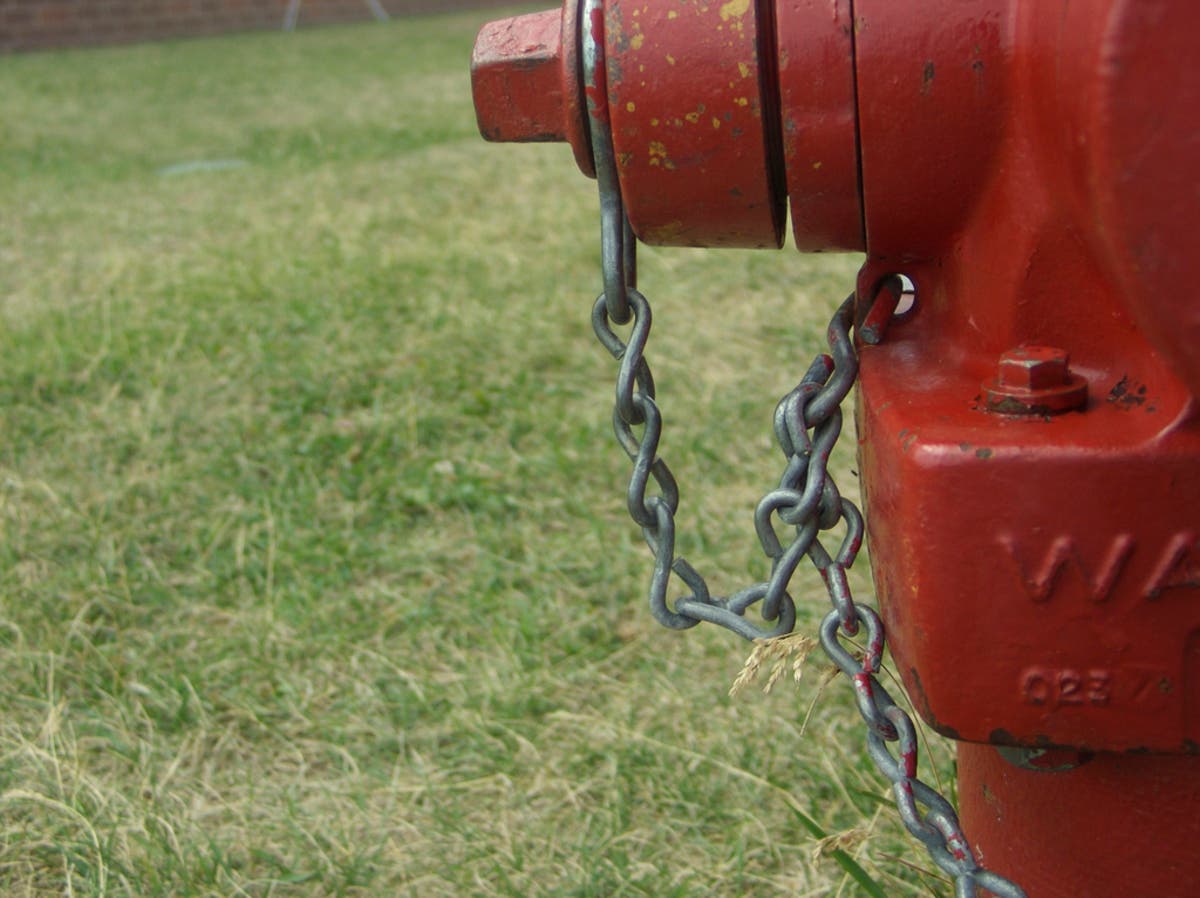
In the coming weeks, residents may notice Water Division employees working at fire hydrants and see water running down the street. Those employees are performing an important preventative maintenance activity for our water system: flushing the hydrants.
This fall, hydrant flushing will proceed by Leaf Collection Section. The process will take approximately one week for Section 1, three weeks for Section 2, and one week for Section 3. The section designations can be found on the map and alphabetical street list available on the Township’s website, livingstonnj.org.
Find out what's happening in Livingstonfor free with the latest updates from Patch.
“Hydrant flushing is an important part of a routine maintenance program necessary to maintain the integrity of the water system,” stated Livingston Junior Utility Engineer Nathan Kiracofe. “Performing this periodically allows the Township to continue to deliver the highest quality water possible to Livingston residents.”
The Township’s water distribution system is a complex network of pipes and storage tanks where sediment or deposits may naturally accumulate over time. Water may also pool in lesser-used parts of the distribution system. All of this could lead to water quality deterioration, taste and odor problems or discoloration of water.
Find out what's happening in Livingstonfor free with the latest updates from Patch.
“Hydrant flushing helps remove the natural sediments and deposits that occur over time,” continued Kiracofe, who instituted the program. “In fact, the preventative maintenance benefits of hydrant flushing are so important they exceed the inevitable water losses associated with that activity.”
Typically, Water Division employees perform the hydrant flushing between 10 p.m. and 6 a.m. This is done in order to minimize disturbances to residences.
As a result of the line-flushing process, residents in the immediate vicinity of the work may experience some temporary discoloration of their water. This discoloration consists primarily of harmless silt and air, and doesn’t affect the safety of the water.
“We try to perform the flushing at lower-usage times that will be most convenient for residents,” Kiracofe continued. If a resident uses the tap water during flushing, the water could come out full of sediment and discoloration. In the case of discolored water, shut the water off and wait several minutes. After waiting, check the clarity of the water by running COLD water for a few minutes to allow new water to work its way into the pipes. If the water doesn’t clear after a few minutes, turn it off, wait a few more minutes and try running the COLD water again.
“Although it’s unlikely, there may be cases in which a resident might experience slight discoloration for a few hours. This mild discoloration only affects the appearance of the water; it doesn’t affect the taste or water quality, stated Kiracofe. “But, if this occurs and your water discoloration continues for more than 24 hours, please contact our Water Division.”
For more information about hydrant flushing or Livingston’s Water Division, visit the Township website at livingstonnj.org.
Photo: Flickr / Rishabh Mishra
Get more local news delivered straight to your inbox. Sign up for free Patch newsletters and alerts.