Politics & Government
Millburn Township Pursuing Settlement in Livingston COAH Case
Officials have conditions they want met in any settlement they may agree to.

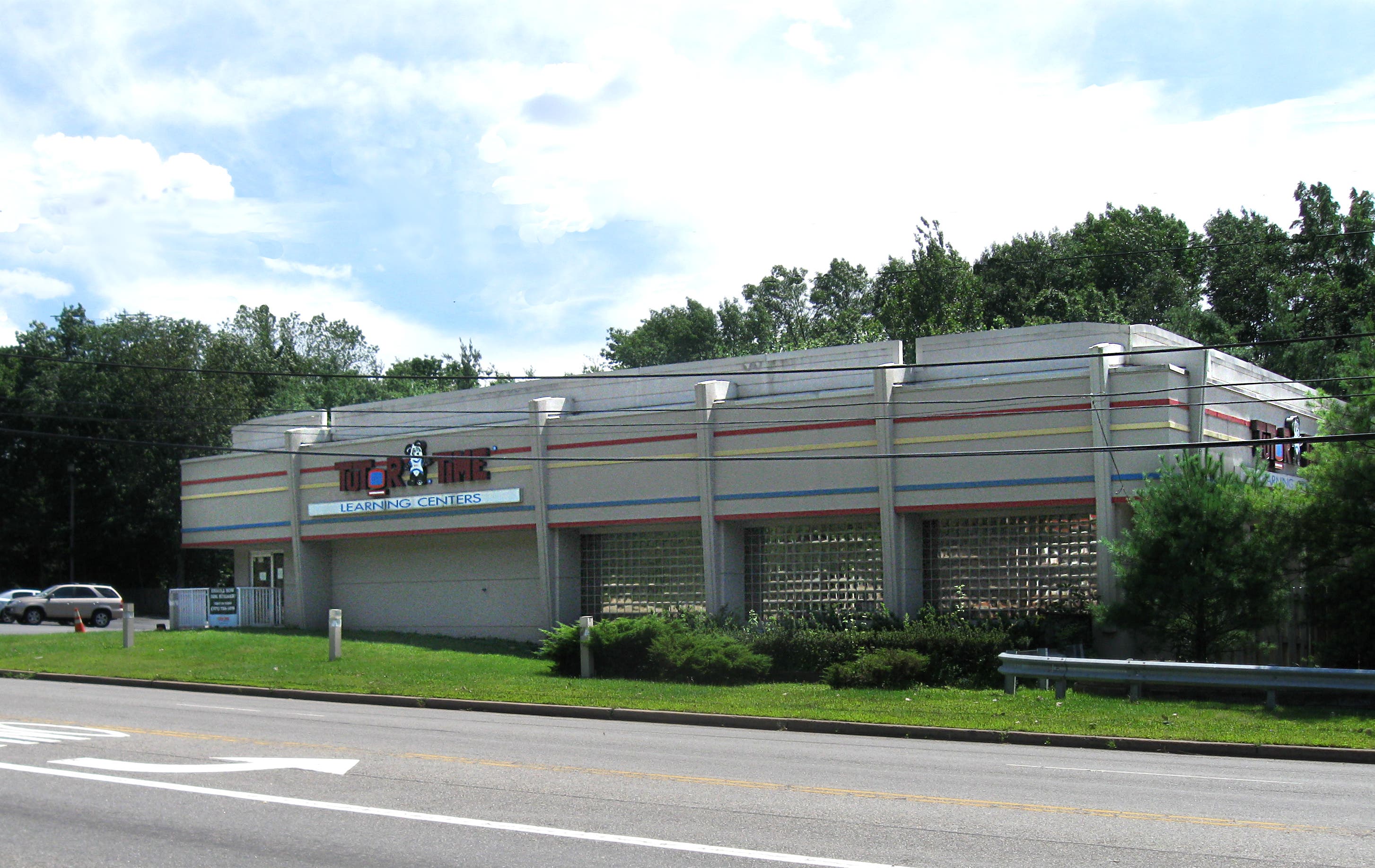
Millburn Township officials are planning to pursue a settlement proposal in the court battle over a housing project on the Livingston-Short Hills border. But officials have conditions they say they want met before they agree to any settlement.
Mayor Thomas McDermott said the Township Committee concluded during an executive session last week it should pursue a deal with the developer, TMB Partners, in the case, which Millburn officials entered in early 2009. He emphasized that "nothing is in stone."
The original proposal for the site at the corner of White Oak Ridge Road and South Orange Avenue was to construct 100 units of housing, 20 of which would be marked at a more affordable price. The building would be nearly 75 feet tall. The site is the current home of Tutor Time.
McDermott said the proposed settlement is to construct 50 market-rate units of housing and 12 at the more affordable rate. Also, the building would be about 65 feet tall. The proposal mirrors what the special master in the case—the court official who reviews the affordable housing plan—has presented to the judge in the case.
Find out what's happening in Livingstonfor free with the latest updates from Patch.
"We've gotten a big change," he said.
But township officials have conditions they want met before they agree to any proposal. McDermott said they want to see a landscape plan for the project and they want the proposed swimming pool eliminated from the project. Additionally, he said, officials don't want more work done in the buffer zone along the stream at the border of the property than necessary. The work in the buffer zone still needs state Department of Environmental Protection approval.
Find out what's happening in Livingstonfor free with the latest updates from Patch.
The township's attorney is submitting those conditions to the other parties in the case and has not received word if they are agreeable to those changes. No decisions on settling have been made. Even if the township does agree to a settlement, McDermott said, it would need to be reviewed and approved by Livingston's zoning board during a public hearing.
Because the settlement offer mirrors what the special master has reported to the judge, McDermott said, he feels the judge could be agreeable to it. If the judge is agreeable, it makes sense to pursue it rather than spend more taxpayer money, he said.
In a written statement, Stewart Cohen, the president of the Short Hills Association, said the association appreciates the assistance provided by township officials. "We have every confidence that our own town will not put the Deerfield neighborhood and the rest of the town under the bus," he wrote. "Moreover, there are number of conditions that need to be addressed before a settlement can be reached."
He cited how the state's COAH regulations could be changed dramatically. "More importantly, we believe that the total disregard for all basic zoning and planning standards by (the developers) will fail when exposed to the light of day," Cohen wrote. "In the end, their project will have to be cut back to the appropriate size and density."
The work township officials fostered—traffic, planning and environmental studies—will be used during the Livingston zoning hearings "to highlight the absurdity of a building that is a 125,000-square-foot structure with a separate segregated building for the COAH residents on a postage stamp plot," he wrote.
Cohen suspects Livingston residents "will be up in arms when they realize their town is committed to building over 3,000 units of housing of which 600 will be COAH. Imagine the impact on the school system and on the quality of life in Livingston."
The Township Committee approved intervening in the court case between the Township of Livingston and TMB Partners in early 2009 at the urging from the Short Hills neighbors to the project. The committee also hired traffic and environmental consultants for the project. The court granted the township "friend of the court" status rather than allowing it to be a full-fledged intervener. The Livingston-Short Hills Coalition, which is comprised of the neighbors to the project, also is involved with their own attorney.
Committee members were asked during last week's open session how much money they had spent on the case, but no one could cite a specific number. During a committee meeting in January 2009, officials said the researching and reporting for the traffic study would cost $2,000 to $8,500 and experts would be paid $750-$850 per appearance to testify in the case. The environmental study would cost $250 per hour.
Get more local news delivered straight to your inbox. Sign up for free Patch newsletters and alerts.