Neighbor News
NEI announces winners of ‘Eye on the Future’ teen video contest
High school students capture science in action, their world, and their future in 5th annual competition
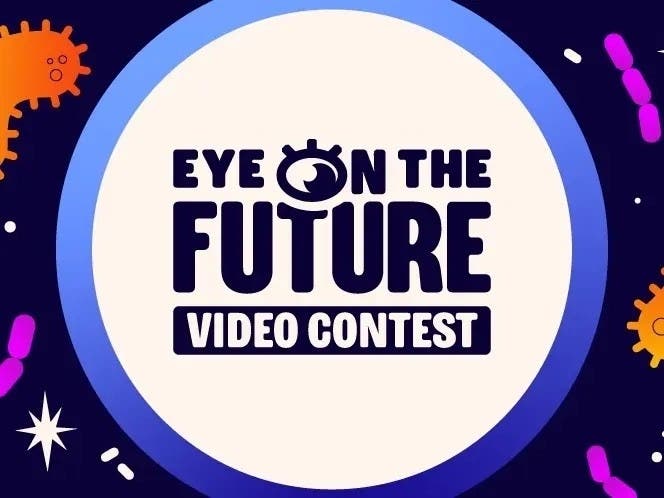
Three high school students have been selected as the grand prize winners of the fifth annual National Eye Institute (NEI) Eye on the Future teen video contest.
“The Eye on the Future contest encourages students to see themselves as part of the next generation of innovators. This will be the foundation of our future scientific workforce. Inspiring that talent is paramount to advancing NEI’s mission to eliminate vision loss and improve quality of life through vision research,” said Michael F. Chiang, M.D., director of the NEI, part of the National Institutes of Health.
The competition received 116 submissions from students nationwide. Participants in grades 9–12 submitted short videos in one of three categories: exploring science in their world, science in action, or science in their future. A panel of NIH staff evaluated the submissions and selected the winning videos based on scientific accuracy and context, relevance, engagement, and creativity. Each grand prize winner will receive a cash prize.
Find out what's happening in Livingstonfor free with the latest updates from Patch.
About the Winners
Category: Science in Your World
Find out what's happening in Livingstonfor free with the latest updates from Patch.
Adithya Vasanth (11th grade) - Minnetonka High School, Chanhassen, Minnesota
Winning video: How Birds See Planes
About the video: While pilots scan the horizon for other planes, birds sharing the same sky see a completely different world. This video explores the unique visual systems of birds—from lateral eye placement to ultraviolet detection—and how modern aerospace engineering is using these avian vision facts to design aircraft technology aimed at preventing aviation bird strikes.
Category: Science in Action
Anshul Raghav (11th grade) - Redmond High School, Redmond, Washington
Winning video: Predicting Immunotherapy Response in Head and Neck Cancer Using Gene Expression
About the video: The goal of this project is to predict which head and neck cancer patients are most likely to respond to immunotherapy using gene expression data. By integrating multiple datasets, the video explains how an AI model identifies consistent patterns linked to treatment response based on a panel of gene expression collected by QPCR. This approach aims to support more informed, cost-effective treatment decisions by helping clinicians match patients to therapies more accurately.
Category: Science in Your Future
Saasha Santosh (11th grade) - Livingston High School, Livingston, New Jersey
Winning video: Left On Read
About the video: The back of her grandmother’s neck revealed signs of undiagnosed diabetes that went unnoticed for sixteen years. No one had read it. “Left on Read” explores how today’s AI tools analyze eye and skin signals separately and imagines a multimodal approach that could detect systemic illness years earlier, potentially from a single photo taken on a phone.
For more information about the contest, visit www.nei.nih.gov/EyeOnTheFuture.
About the National Eye Institute (NEI)
For more than 50 years, NEI has been on the front lines of vision research—and continues to support cutting-edge research projects that investigate new ways to prevent, treat, and reverse vision loss.