Health & Fitness
Spring Cleaning Tips From the Livingston Fire Department
Cleaning your home can be surprisingly dangerous, say town officials. Find out why here.


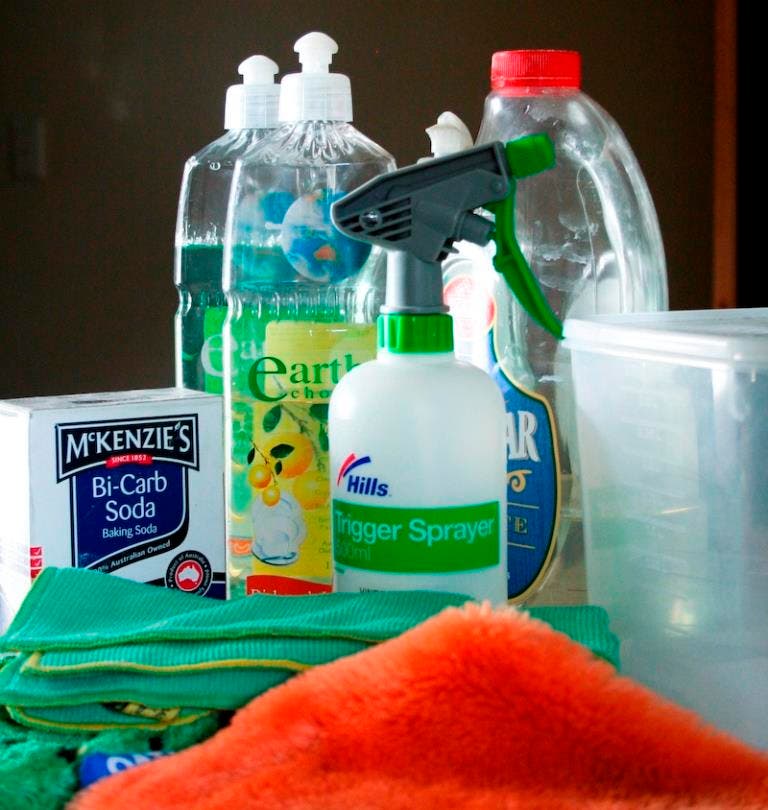
As the weather changes and many Livingston residents get ready for a round of spring cleaning, they may not be aware of the “unseen hazards and unintentional home injuries” that occur every year, township officials are warning.
According to the Home Safety Council, over 10 million unintentional home injuries result in visits to hospital emergency rooms in the U.S. every year. Two of the leading causes of injuries at home are falls and poisonings, which cause over half of the 20,000 home deaths every year.
In a release, Livingston Fire Chief Christopher Mullin suggested several safety tips to keep in mind as you clean out the cobwebs this spring.
Find out what's happening in Livingstonfor free with the latest updates from Patch.
POISON
“We recommend that residents consider using non-toxic cleaners,” suggested Mullin.
Find out what's happening in Livingstonfor free with the latest updates from Patch.
“For example, toothpaste works well for polishing silver, and lemon juice is natural bleach. Baking soda works well for cleaning on tile and sinks, and when mixed with vinegar, it’s great for cleaning out drains.”
Mullin advised to always read the labels on cleaning products, and to follow the safety instructions when using harsh cleaning products. Residents shouldn’t forget to wear gloves, masks, or protective goggles as instructed, especially when working with corrosive chemicals. In addition, residents should look for the words “Caution,” “Warning,” “Danger,” “Poison,” or “Keep Out of Reach of Children.”
Mullin also recommended storing containers safely and securely by locking products up when cleaning is done, and to properly discard of hazardous and flammable chemicals that are out of date.
FALLS
According to Mullin, falls can be prevented by keeping stairs, steps, landings, and floor areas clear of clothes, toys and clutter. Residents should make sure that area rugs are secured with non-skid pads, and that telephone, and electrical cords are safely tucked away, and if they need to climb, to use a ladder, not a chair, table or box.
When using a ladder, wear slip-resistant shoes when climbing, and make sure the ladder is on level ground, suggested Mullin. Open the ladder completely and engage all locks, and stand at or below the highest safe-standing level on a ladder.
SMOKE DETECTORS AND FIRE EXTINGUISHERS
“The most important things you can have in your home are a working carbon monoxide and smoke detectors, and fire extinguishers,” warned Mullin. “These systems are designed to provide early detection, and are essential for your family’s safety. They really do save lives.”
Mullin advises using UL-approved smoke and carbon monoxide (CO) detectors on every level of your home, as well as testing these alarms monthly to make sure they are working and changing the batteries at least twice per year.
According to Mullin, smoke detectors should be located within 10 feet of all sleeping areas. Additional smoke detector should be placed on the ceiling at the bottom of every stairwell.
In addition, Mullin suggests having a fire extinguisher in every kitchen area, and possibly others in different other areas of their homes. Check the gauge on an extinguisher every few months to make sure that it is fully charged, Mullin stated.
Residents should also develop a fire escape plan for their homes. Plans should identify two escape routes from each room, and specify a place for all family members to meet outside the home.
Chief Mullin also recommends cleaning the lint out of your clothes dryer’s “firing chamber” during spring cleaning.
“Many people regularly clean the lint trap/screen located on the top of the clothes dryer. But they often forget or don’t know about the firing chamber, located on the bottom of the dryer, near the floor,” stated Mullin.
GAS GRILLS
Before using a gas-fired barbeque grill for the first time in the season, inspect it to ensure there is not a build-up of spider-webs or small debris to block the flow of gas to the controls, stated Mullin.
Sometimes, rodents make nests in the areas of the hoses and controls over the winter. This can cause propane to leak and burn when the grill is lit for the first time, he added.
If this occurs, turn off the gas supply at the controls if they are not involved in fire. If the controls are on fire, turn off the gas supply if that can be done without risk of injury at the supply (at the propane tank or at the gas valve from the residence, if using a natural gas grill).
“Call 9-1-1 if this happens and report the incident,” Mullin said.
Send Livingston press releases to eric.kiefer@patch.com
Get more local news delivered straight to your inbox. Sign up for free Patch newsletters and alerts.