Here are some common household fire safety tips from Livingston Fire Chief Christopher Mullin that the public should be aware of when the weather starts to turn cold around the holidays.
Space heaters Space heaters are designed to “supplement” the heat in a certain area of your house, and are not intended to be the primary source of heat in a structure. Space heaters need just that “space”- approximately three feet from any combustible material such as paper, curtains, bedding, and decorations, etc.
Fireplaces One of the most important concerns when using a fireplace is to insure that the chimney is safe and free of any cracks, soot build-up, or damage which could lead to a structure fire.
The only way to really ensure that a fireplace mishap does not happen is to have your fireplace inspected by “qualified personal” prior to each seasons use. Before each use, ensure that the flue is open prior to lighting the fireplace so as not to fill the house with smoke. When burning real wood, ensure that there is a screen in place to prevent hot “ashes” from popping out of the fireplace and onto rugs, furniture, papers, etc.
Furnace vents Inspect all exhaust vents/flues for damage including rotted pipes, tight seals around chimney connections, and miss-aligned vent pipes on water heaters.
Carbon monoxide detectors Ensure that you have functional carbon monoxide detectors in sleeping areas. If you have more then one detector you can place that detector near a mechanical area, but if you only have one detector, it should be placed with ten feet of all sleeping areas
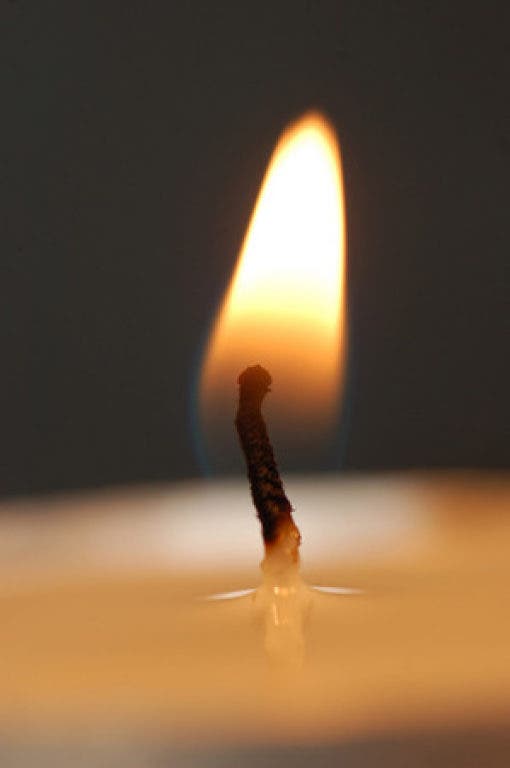
Candles Ensure that all candles are securely placed in non-combustible holders or containers. Also ensure that candles are placed in an area that it cannot be knock-over by children or pets.
Larger glass-encased candles should not be allowed to burn down to within one inch of the bottom as the glass heats up as the wax is consumed and could cause a fire if the glass cracks.
Keep candles away from Christmas trees or other natural vegetation. And never leave a candle unattended. Always blow a candle out when you leave a room.
Christmas trees Live Christmas trees should be placed in an area of the home away from heating sources and supply vents. A heating vent blowing on a tree will increase the rate in which the tree dries out. Always keep live trees watered and monitor the rate in which the needles fall off the tree, and water when necessary. Inspect all string lights prior to decorating tress and only use UL listed electric lightings.
Fire hydrants Ensure that the fire hydrant that services your area is visible and accessible after winter snow storms. A visible hydrant can speed-up the time it takes for the firefighters to get water on the fire. A buried hydrant takes precious minutes to locate and dig out, causing substantial delays in response time.