Community Corner
It Was All Yellow: Daffodils and Forsythia Add Pop of Color
Cheery daffodils and forsythia provide the first dose of color into the spring garden.
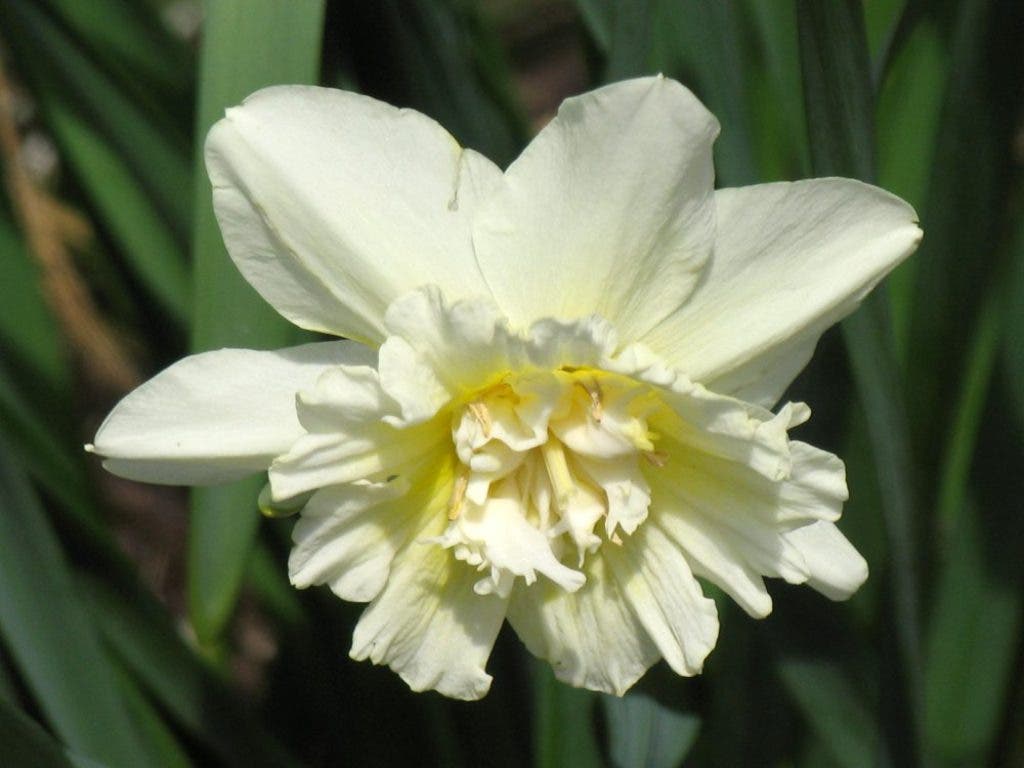


Yellow! On the sides of the road and in gardens everywhere, the forsythia and daffodils are all in bloom.
The forsythia is a deciduous shrub, in the family related to the olive tree, and is named after the Scottish horticulturalist William Forsyth. It typically grows to a height of three to nine feet and has rough, brown-gray bark. The flowers come before the leaves and are a four-petaled, bright yellow color. They are one of the few flowers that actually produce lactose – commonly known as the “milk sugar.”
Forsythia are tough, reliable shrubs that need little additional care except for gentle pruning later in the spring after the new growth. They can be easily propagated by putting a weight over a low hanging branch and allowing roots to grow. For me, the most beautiful shrubs are those planted in full sun, near a road and left to grow wild and free for all to enjoy them as they drive by.
Find out what's happening in Long Branch-Eatontownfor free with the latest updates from Patch.
Daffodils are not always yellow. Now we find them in various shades of gold, orange, peach, white, green and yellow. They belong to the Narcissus family and are also known as “jonquil” in the southern states. The bulbs are quite poisonous and the sap can create an allergic response called “daffodil itch,” so they are to be handled with care.
I have included a picture of “Munch” (see photo gallery), a beautiful young yearling doe whose gentle lips have decimated the parrot tulips in my Eatontown yard, but ignored the daffodils. You can try to hide your precious tulips in bunches of daffodils and actually get a away with it. The other alternative is to have some tin cans filled with blood meal hanging on wire that move when deer come close.
Find out what's happening in Long Branch-Eatontownfor free with the latest updates from Patch.
Another advantage to growing daffodils is that they can multiply in your garden. At this time of year, you can buy blooming pots of the flowers in the grocery stores or markets. After the bloom is spent, plant the entire pot full in your garden with a bit of bone fertilizer, which will help the leaves nourish the bulbs. Next year you will be rewarded with another bloom.
Pat Ellson lives and gardens in Eatontown and is the owner of Floral Gems located at 196 South Street, Eatontown, (732) 542-0967.