Health & Fitness
13 Hospitalized For Surprising Mushroom Poisoning Cases In NJ
A surprising number of poisoning cases in New Jersey has sent 13 people to the hospital, including a 9-month-old. Dogs could be at danger.


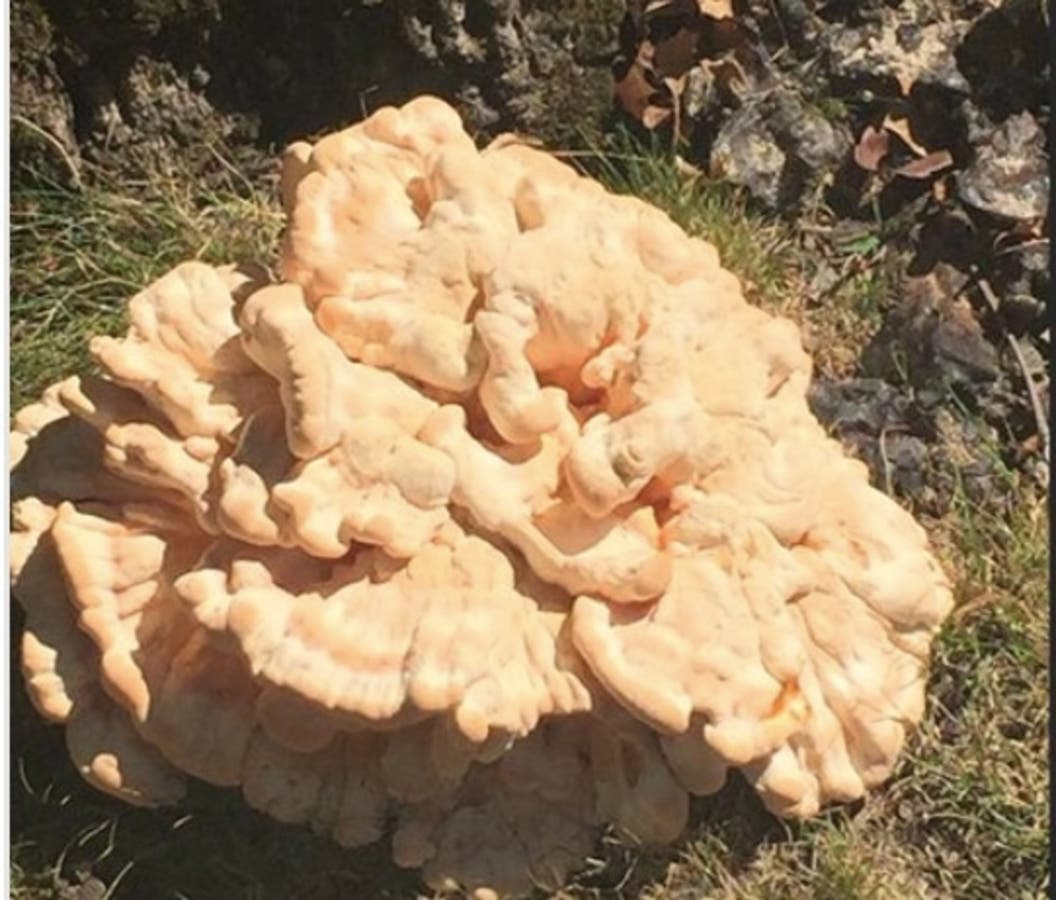

Everybody's parents tell their kids to avoid them and, certainly, don't eat them. But not everybody's listening, apparently.
The New Jersey Poison Control Center has dealt with 45 mushroom exposure cases since the beginning of July. Some of these cases – 13 – have resulted in emergency room visits, according to the center.
Symptoms of mushroom poisoning include intense vomiting and diarrhea, dehydration, damage to vital organs like the liver and even death, according to the center.
Find out what's happening in Long Valleyfor free with the latest updates from Patch.
“Picking and eating mushrooms growing in gardens, on lawns, in fields or in the woods is a dangerous game,” says Diane Calello, New Jerey Poison Control Center executive and medical director. “Even experienced mushroom pickers are fooled by toxic look-a-likes at times.”
A good portion of the summer has been plagued by soaring temperatures, high humidity and soaking
rains – the perfect recipe for a dangerous mushroom season in the Garden State, according to the center.
Find out what's happening in Long Valleyfor free with the latest updates from Patch.
Here is what happened between July 1 through Aug. 13:
- Number: 45 exposures (38 human, 7 animal/pet)
- Age of patients: 9 months to 70 years old
- NJ Counties: Exposures reported in 15 of 21 counties
- Seen in hospital emergency rooms: 13 patients
“This is a serious issue. No matter the scenario, it is unsafe to pick and eat mushrooms found in the
wild,” says Calello.
Don’t be fooled – many edible mushrooms have toxic look-a-likes. The cooking process does not prevent the toxic health effects of some mushrooms, according to the center.
Depending on the type of mushroom, eating even a few bites can cause serious health concerns. “It is rare than an injury is truly preventable, but that is the case here. Fortunately, mushroom poisoning can be prevented by simply not eating wild mushrooms,” Calello said.
Adults are not the only one’s enticed by wild mushrooms; children and pets are often intrigued by
mushroom patches growing in backyards. Make sure to always supervise children and pets outdoors.
Pets can suffer serious health injuries and even death from eating wild mushrooms.
The NJ Poison Control Center offers the following tips for potential mushroom exposures:
- Time is of the essence when it comes to mushroom poisoning. Do not wait for symptoms to appear or spend time searching the internet for next steps.
- Call the Poison Control Center’s Poison Help Line, 1-800-222-1222, immediately to get the medical help or information you need. Our help is free and available 24/7 to NJ residents. The Poison Center may arrange for an expert to identify the mushroom.
- Remove any remaining parts of the mushroom from the person’s mouth and place those fragments and all mushrooms that are in the immediate vicinity of the incident into one or more paper bags (NOT plastic!).
- Take a digital photograph of the mushroom(s) in question. It helps to take a picture of the mushroom next to other objects such as a coin, ruler, etc. to provide a sense of scale.
Experts are also available to answer questions or concerns you may have, for free 24/7. Save the Poison Help line, 1-800- 222-1222, in your phone today so you're prepared for what may happen tomorrow.
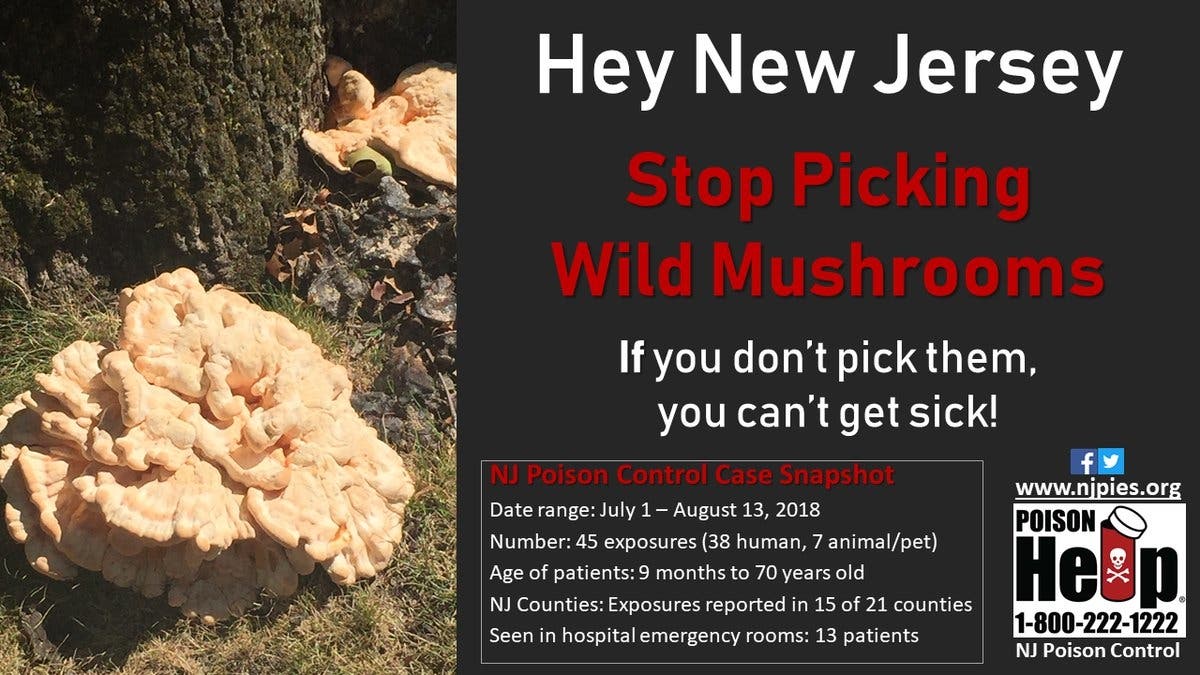
NJ Point Control Center photos
Get more local news delivered straight to your inbox. Sign up for free Patch newsletters and alerts.