Community Corner
Multiracial Camp Called Our Community Home, Was Helped By Paul Robeson
Camp Wo-Chi-Ca served children in Washington Township area from 1930s through 1950s.

In the 1930s, the Washington Township area became home to a place where children of every race and nationality could play together in harmony, at a beautiful camp in the woods.
It was Camp Wo-Chi-Ca, which stood for Worker’s Children’s Camp, according to Eileen Stokes, member of the Washington Township Historical Society.
“The camp was co-ed and racially mixed and most of the children who visited came from New York City,” Stokes said. “The camp was located at the far end of Califon Road across from the Hunterdon County Park Sytem’s Mountain Farm in Califon."
Find out what's happening in Long Valleyfor free with the latest updates from Patch.
Paul Robeson—an African-American and celebrated Renaissance man known for his talent in music, sports and theater, and as a champion—visited the camp on a regular basis, Stokes said.
The son of an escaped slave, Robeson was born in Princeton on April 9, 1898 and died in Philadelphia on Jan. 23, 1976.
Find out what's happening in Long Valleyfor free with the latest updates from Patch.
He was a man of many talents and passions. He was an accomplished concert singer and recording artist, an athlete and actor, and played an active role in the civil rights movement.
Robeson brought his passion and his talents to the Washington Township area and shared them with children who, at least during the summer months, enjoyed the extraordinary beauty of the woods and streams in the area.
In the book "Tales of Wo-Chi-Ca: Blacks, Whites and Reds at Camp," by June Levine and Eugene Gordon, there are many stories of this unique camp, sponsored by the communist International Workers Order. The camp welcomed thousands of children, many of whom were poor and came from the city to enjoy the country air and greenery of rural New Jersey during the summer months.
According to the authors, the camp was established in 1934 and was closed in 1954.
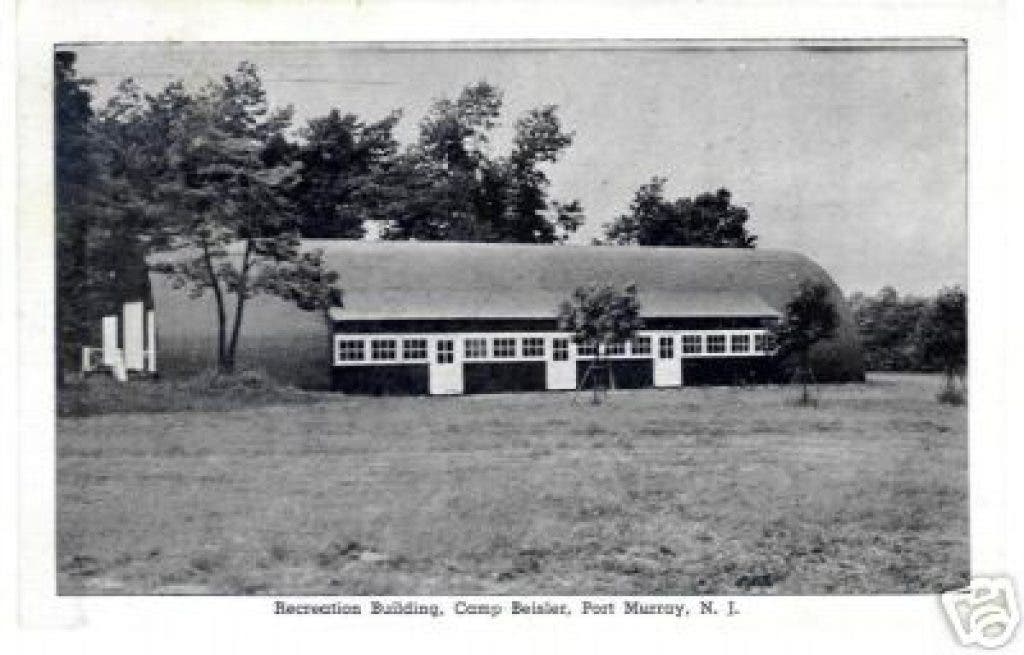
Stokes said Robeson came out often to entertain the campers. She said his interest also extended to giving a special concert to fund a building that was used for recreation and theatrical presentations.
Stokes said the property was eventually sold to the Beisler Family and used by the Lutheran Church as Camp Beisler until a few years ago when, owing to a merging of church ownership, it became The Crossroads.
“The Robeson building remains with only slight external changes,” Stokes said.
Authors Levine and Gordon wrote that Robeson first came to the Camp in 1940, and returned annually to spend time with the children, enjoying sports, singing and discussions.
“Half a century has flown since Wo-Chi-Ca folded its tents forever," Levine and Gordon said in their book. "And yet Wo-Chi-Ca lives on forever, not only as a long-lost utopia or childhood dream, but in lifelong principles and progressive ideals.”
For more information on the book "Tales of Wo-Chi-Ca: Blacks, Whites and Reds at Camp," see its Amazon.com listing here.