Politics & Government
Waste Removal Plan Discussed Amidst Sanico Rate Hikes
Mayor, MUA Executive Director discuss Morris to Warren trash removal at Freeholders meeting.

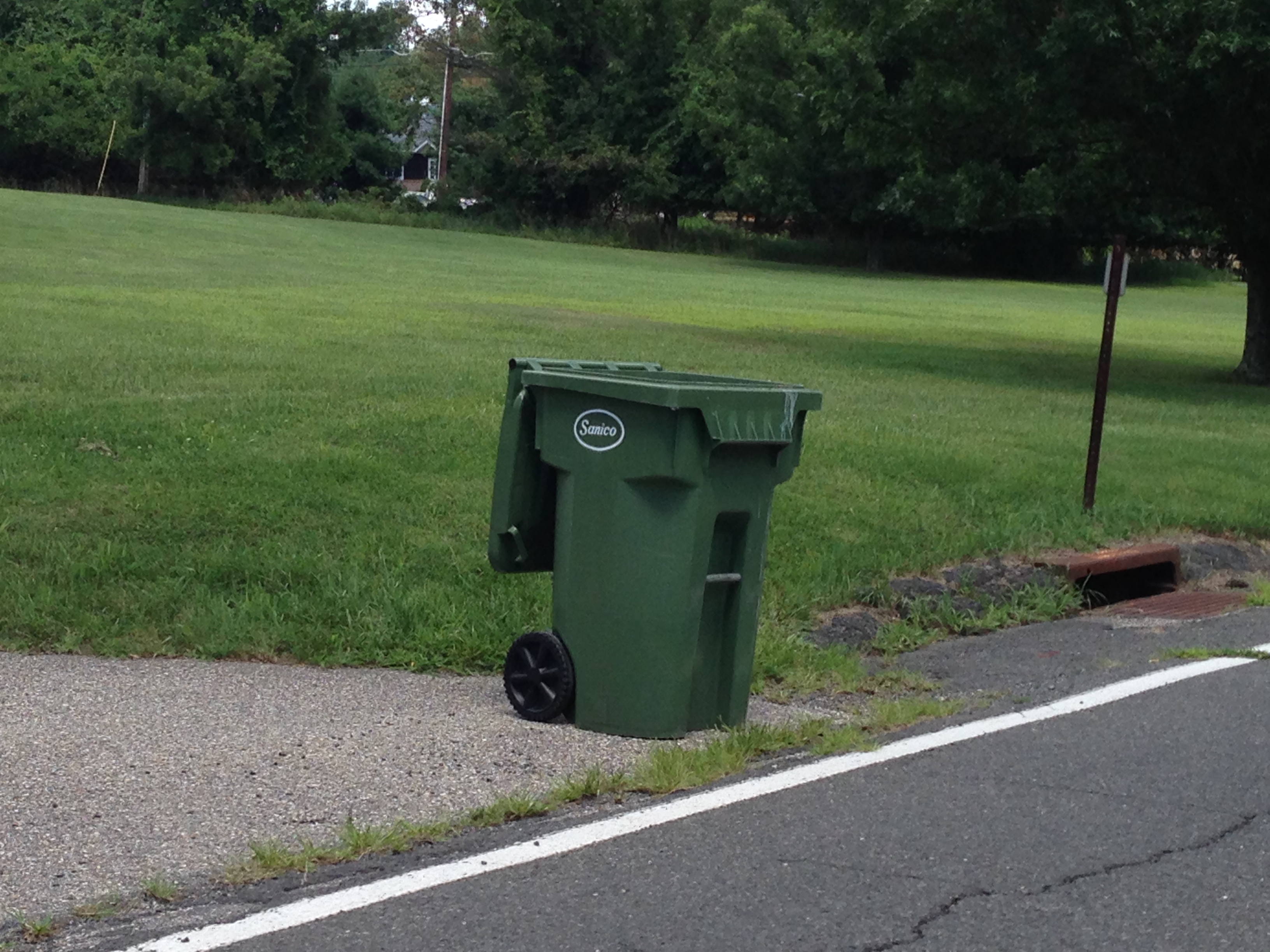
An issue with Sanico Inc. and residents’ corresponding bills was brought up Wednesday, as Washington Township’s Mayor Kenneth Short discussed a way to remedy an approximate 12 percent rate increase.
The debate was part of the Morris County Board of Chosen Freeholders meeting held in Washington Township. There, local officials were able to voice their concerns before the Freeholders.
An issue was raised over the practice of waste hauling out of Morris County and the enforcement of Sanico, to come into accordance with Morris County regulations. Since doing so, Washington Township customers have questioned a dramatic rate hike in Sanico billing.
Find out what's happening in Long Valleyfor free with the latest updates from Patch.
“(Residents’) bills are up 12 percent,” said Short. “And the county wants refuse at the transfer station for the Morris County landfill. I spoke with the president of the company for an agreement to allow refuse to Warren County.”
The rate hikes reflect a 50 percent increase in cost that Sanico has to pay at the Mt. Olive transfer station versus the more economical costs at the Warren County incinerator, according to Sanico President, Jim Smith.
Find out what's happening in Long Valleyfor free with the latest updates from Patch.
“Mayor Short and I discussed (a new plan) awhile ago. It would be a win/win situation for everyone, including the Freeholders,” said Smith. “(It can be) offered to the DEP as an effort to make better use of the incineration that’s available. And the Warren County incinerator needs a certain tonnage of garbage.”
The new plan, which is in the discussion stage now before the freeholders and the Morris County Municipal Utilities Authority, may allow Sanico’s transportation costs to go down, as they currently have been advised by the county to travel a bit further to the Mt. Olive transfer station instead of outside county lines to the closer incinerator in Warren County.
Shipping it Outta' Town
According to Executive Director of the Morris County Municipal Utilities Authority, Glenn Schweizer, some of Sanico’s previous hauls were brought across county lines to shave off some of the transportation fees associated with the haul.
However, with the potential for a new agreement, Sanico would still have to comply with MUA regulations, which actively require all haulers to utilize the Morris County system. But a fee paid to Morris to haul to Warren may offset a predicament. Short discussed a fee being based off tonnage, for a tool to help the company and lower residents’ bills.
The practice of out-of-county waste transports was identified by the MUA and officials later met with the hauler. Officials gave the company a grace period to come into accordance with the regulations, according to Schweizer, which was then extended as other demands were laid out by the Department of Health in Morris County. Eventually, after letters to the company, it was brought to task, but rates proceeded to increase, to reflect an increase in the county’s tipping fee.
“We used (Warren) for many years. We were made aware that we may be required to do something different a few years ago,” said Smith.
“The MUA sent a later dated March 8,” he added. “It said that they expect us to use the transfer stations and we did that. There are no issues there that I’m aware of. And the transfer stations are higher in cost, so we charge our rates to reflect costs. There are no issues there now.”
After enforcement actions from the county Board of Health and the Morris County MUA, the company is now utilizing the nearest Morris transfer station.
“They were officially caught violating the waste control policy,” said Schweizer. “However, they were not the only hauler to do so.”
Later, he said, “The company sent letters saying rates would increase because of Morris County’s new policy. But really, (Sanico) was just caught violating the law. But let it be clear that some other haulers we’ve had problems with are much more problematic.”
In Washington Township, which has a prescription service (differing from DPWs or municipal contracts), residents deal directly with three or four haulers.
“One could argue, that (this hauler) was over-charging its customers for all those years, when it was bringing waste to a less expensive place,” said Schweizer. “Jim was cooperative and turned it around, but that came on the heels of us reducing our tipping fee (a payment delivered at disposal location)…”
However, Smith seemed confident in that his rates accurately reflect the newly acquired costs associated with the Mt. Olive transfer station. He believes it would be beneficial for the county to permit Warren County dumping, which would allow for the utilization of capable New Jersey incinerators.
“By (allowing for the) use of the Warren County incinerator, the freeholders would be enhancing their solid waste management plan, as multiple vendors could serve the solid waste needs,” said Smith, whose company is also dealing with county disputes about source-separating material and mixed loads.
He also said that at Sanico, “We do the best we can, and try to satisfy our customers’ needs with the limits imposed by the government.”
Contingent Liability
The biggest concern, however, according to the MUA Executive Director, lay in the fact that practices like this open the door for other haulers to take waste to outside locations with cheaper deals, hence damaging the structure of the county’s system which is designed to handle all 39 municipalities.
Also, Schweizer said that this leaves private haulers, municipalities, etc., vulnerable for contingent liability down the line as ‘responsible parties.’
If, for example, the location of illegal dumping proves to be deemed contaminated by the State Department of Environmental Protection or the United States Environmental Protection Agency, parties who contributed to the landfill are found responsible and liable for legal action.
“The biggest irony here,” said Schweizer. “Is that of all towns who’ve been paying the price of past illegal dumping (it’s Washington), which is still paying for a past travesty (liability as apart of the Combe Fill South Superfund Site cleanup)."
Get more local news delivered straight to your inbox. Sign up for free Patch newsletters and alerts.