Politics & Government
Environmental Groups Ask FERC For Public Hearings On Gas Pipeline
Proposed pipeline addition would go through the Ramapo Reservation in Mahwah


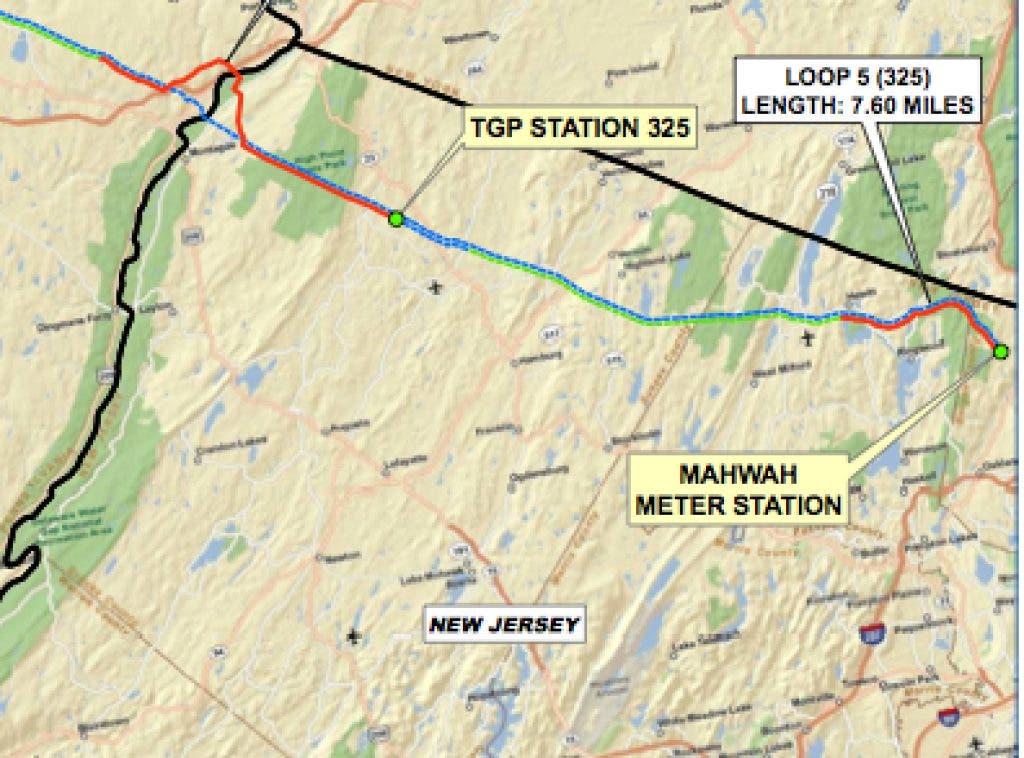


Environmental groups across the area wrote to the Federal Energy Regulatory Commission (FERC) this week to ask for more public hearings on the gas pipeline extension project that is proposed to go through Mahwah.
The Tennessee Gas Pipeline’s Northeast Upgrade Project, which would construct 18 miles of new pipeline throughout the state, would impact 6.29 acres of the Ramapo Reservation in Mahwah during construction. The project proposal would add a 30-inch “looping” pipeline to the already-existing 24-inch line. The expansion would increase the amount of gas that can be transported to the Mahwah Compression Station to be distributed to Tennessee Gas customers.
The environmental groups are asking FERC to require the company to host at least three additional public hearings to garner resident concerns about the potential environmental impacts of the project. Tennessee Gas held several public scoping sessions on the project over the summer, one of which .
Find out what's happening in Mahwahfor free with the latest updates from Patch.
According to a release from the New Jersey Sierra Club, one of the environmental agencies requesting the hearings, FERC “is expected to release their environmental review on Monday, November 21, but is only required to hold public hearings if there is significant public interest in the project or there is substantial environmental consequences from the project.”
The Sierra Club says representatives from the Delaware Riverkeeper Network, New Jersey Highlands Coalition, Earthjustice, New Jersey Audubon Society, Pequannock River Coalition, New Jersey Conservation Foundation, North Jersey Public Policy Network, ClimateMama, and the Morris County Trust for Historic Preservation, joined them in asking for the additional hearings, as well as 158 private citizens who have sent requests to FERC.
Find out what's happening in Mahwahfor free with the latest updates from Patch.
Tennessee, a subsidiary of the El Paso Gas Company, operates a 13,700-mile line that transports natural gas from the Gulf of Mexico to Canada. The company pre-filed an application with the Federal Environmental Regulatory Commission in 2010, and began survey work this spring. If all gets approved according to Tennessee’s plan, construction would begin in the fall of 2012, and would be completed and in use by November 2013.
The impacted county land is protected by the NJDEP's Green Acres Program and is located in the Highlands Watershed Region. Additional approvals are needed because of this.
During the proposed yearlong construction period, Tennessee would be using Bear Swamp Road as an access road. According to assurances made by Tennessee representatives during this summer’s public session, no more than two inches of natural habitat on either side of the road would be cleared to make travel possible.
The existing Right-Of-Way in the reservation, which surrounds the pipeline, is 50-feet wide. During the construction period, an additional 75-feet will be added, 50 of which will be temporary, and re-vegetated upon the completion of the project, Tennessee reps said at the public meeting.
The natural gas company told residents in July it made this proposal in response to a need in the area, and contract requests from customers wanting to purchase more natural gas in the area. It also explained some of the economic benefits it anticipates the project bringing to the county – namely federal and state taxes, and construction jobs, 50-60 percent of which would be local hires.
However, environmental activists are not satisfied that enough questions have been answered. “This pipeline deserves a public process including public hearings to protect the Delaware Water Gap and the Highlands from this destructive scar across the landscape and all the pollution that will come with it. Frack NO, FERC NO,” Jeff Tittel, director of New Jersey Sierra Club, said in the release.
The letter sent by the environmental groups is below:
Federal Energy Regulatory Commission
c/o Secretary Kimberly Bose
888 First Street, NE
Washington, DC 20426
Dear Ms. Bose,
This month FERC is expected to release the draft Environmental Assessment (EA) for the Tennessee Gas Pipeline Company’s (TGP) Northeast Upgrade Project. There are a number of organizations, businesses, and homeowners intervening in these proceedings due to the significant impacts that this proposed pipeline will have on environmental resources, environmental and energy policy in New Jersey and Pennsylvania, and New Jersey’s clean energy future. We request that FERC hold public hearings on the draft EA in the communities impacted by the project due to the significant public interest in this project and its significant environmental impacts. Public hearings will provide an opportunity for residents and other interested persons to review the EA materials and have FERC and TGP staff on hand to respond to questions on this controversial project.
This proposed project will impact a significant amount of preserved land and waters held in the public trust including the Appalachian National Scenic Trail, the Delaware Water Gap National Recreation Area, the Middle Delaware Scenic and Recreational River, High Point State Park, Long Pond Ironworks State Park, and Ringwood State Park. About fifty percent of the project route in New Jersey is located on public lands. A public hearing is merited due to the significant controversy created by the project having such a substantial impact on public lands.
There are also major concerns and significant public interest in impacts this project will have on water supplies and water quality along the pipeline route. The feasibility of using horizontal directional drilling underneath the Delaware River, which supplies drinking water for 15 million people, has not been determined. The project will also require drilling beneath the Monksville Reservoir, a significant component of the North Jersey District Water Supply Commission system that provides drinking water to over 2 million people, one-fourth of the State’s population. The pipeline could also impact the quantity and quality of water in local aquifers and the public and private wells that serve a majority of rural residents.
The proposed construction activities on the pipeline will result in significant harm to critical habitat for rare, threatened and endangered species, core forests and native plant communities. The plan is woefully inadequate in addressing these impacts on public and private lands.
A public hearing on this pipeline proposal is especially important as this company recently completed construction on a similar loop project (the 300 Line Project) in the region that is causing major impacts to the local environment. Residents have submitted complaints to NJDEP enforcement concerning increased flooding and inadequate erosion control mechanisms along the pipeline right-of-way (especially around Lake Lookover in West Milford, Passaic County, New Jersey). Public hearings will ensure that the public would have the opportunity to thoroughly review the project, ask important questions and receive responses, and impart critical knowledge of the local area to help prevent similar occurrences, should this project be approved.
There is substantial public interest in this issue due to the significant environmental impacts it will have on some of the most environmentally sensitive areas of New Jersey, including the New Jersey Highlands Region, recognized in both state and federal legislation. Please hold at least three public hearings on the draft EA in the communities impacted by this project. Public hearings are the most efficient and effective way to allow the public to fully review and comment on the draft EA, which will have substantial impacts on numerous landowners and environmental resources if the EA were to support construction.
Sincerely,
Jeff Tittel, Director
New Jersey Sierra Club
Tracy Carluccio, Deputy Director
Delaware Riverkeeper Network
Julia Somers, Executive Director
New Jersey Highlands Coalition
Deborah Goldberg, Managing Attorney
Earthjustice
Eric Stiles, Chief Operating Officer & V.P. for Conservation and Stewardship
New Jersey Audubon Society
Ross Kushner, Executive Director
Pequannock River Coalition
Alison Mitchell, Director of Policy
New Jersey Conservation Foundation
Rhoda Schermer, Chairperson
North Jersey Public Policy Network
Harriet Shugarman, Executive Director
ClimateMama
Marion O. Harris, Chairman
Morris County Trust for Historic Preservation
Dr. Lynn Siebert, President
Burham Park Association
Get more local news delivered straight to your inbox. Sign up for free Patch newsletters and alerts.