Health & Fitness
E.coli Outbreak Expands To 5 NJ Counties
102 people in 23 states, including New Jersey, have now been sickened in an E.coli outbreak, according to the CDC. Here's where.



NEW JERSEY – One-hundred-and-two people in 23 states, including New Jersey, have now been sickened in an E.coli outbreak, according to the Centers for Disease Control and Prevention. And the New Jersey numbers have expanded to the point that five counties now have been impacted (see list of locations below).
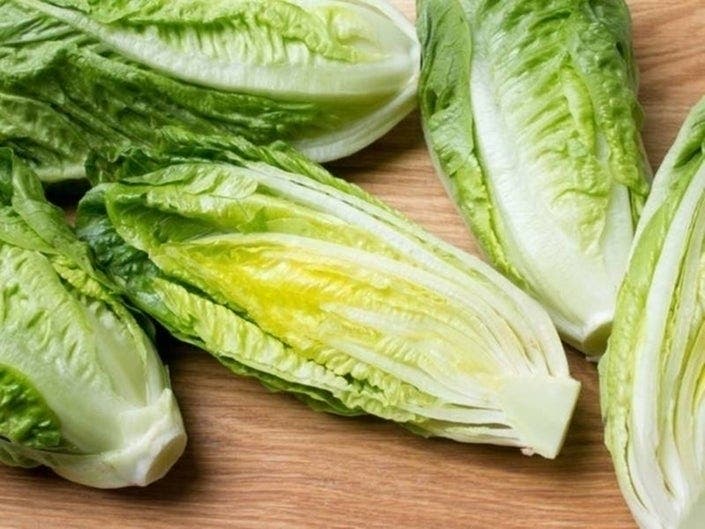
The CDC is advising that consumers not eat and retailers not sell any romaine lettuce harvested from the Salinas, Calif. growing region. Most romaine lettuce products are now labeled with a harvest location showing where they were grown.
Federal food investigators say the illness also may be connected to nearly 100,000 pounds of salad products recalled in 22 states, including New Jersey.
Find out what's happening in Manasquan-Belmarfor free with the latest updates from Patch.
In New Jersey, seven people have been sickened in the outbreak, according to the state Department of Health. No deaths have been reported.
Here is where the illnesses have taken place:
Find out what's happening in Manasquan-Belmarfor free with the latest updates from Patch.
- Burlington County 2
- Ocean County 2
- Atlantic County 1
- Camden County 1
- Cumberland County 1
Fifty-eight people have been hospitalized nationwide as a result of the outbreak, and at least one of them reported eating one of the recalled salad products, the CDC said. Ten people have developed a form of kidney failure. Related: 100K Pounds Of Salad Recalled Due To E.coli, NJ Impacted
All types of lettuce products are included in this warning: whole heads of romaine, hearts of romaine, packages of pre-cut lettuce, salad mixes that contain romaine, including baby romaine, spring mix, and Caesar salad.
Anyone who has romaine lettuce in their homes should check the packaging to see if "Salinas" is listed on the label. If it does, the CDC says to throw away the products and not eat them.
If a salad does not have the harvesting region listed on it, the agency's advice is to throw it away.
Last month, Missa Bay LLC, which is based in Swedesboro, announced that it recalled 97,272 pounds of salad products because the lettuce may be contaminated with E.coli.
The products, some of which tested positive for E.coli O157:H7, were produced in October and include various ready-made salads sold under store brands from Walmart, Target, ALDI, Safeway and others.
A full list of affected products can be found here.
Anyone who has any of the recalled salad products should not eat them, the CDC advises.
In addition to New Jersey, the products were shipped to Alabama, Connecticut, Florida, Georgia, Illinois, Indiana, Louisiana, Maine, Maryland, Massachusetts, Michigan, Minnesota, Mississippi, Missouri, New York, North Carolina, Ohio, Pennsylvania, South Carolina, Virginia and Wisconsin.
People infected with STEC 0157:H7 develop diarrhea and vomiting.
"Vigorous rehydration and other supportive care is the usual treatment; antibiotic treatment is generally not recommended," according to federal authorities. Most people recover within a week, but a more-severe infection is possible.
ALDI released a statement:
"We take the safety and integrity of the products we sell very seriously. The two products ALDI sold that were included in this recall, Little Salad Bar Chicken Caesar Salad and Little Salad Bar Santa Fe Style Salad, had been removed from our shelves already and they are past their use-by dates. All of the products currently on our shelves are safe to eat If customers still have the products mentioned in the recall with a use by date prior to November 2, 2019, they should not consume them and should discard them immediately or return them to their local store for a full refund."
Most of the romaine lettuce products are labeled with a harvest location showing where they were grown, the CDC says.
If you have romaine lettuce or packaged foods containing romaine at home:
- Look for a label showing where the romaine lettuce was grown. It may be printed on the package or on a sticker.
- If the label says “grown in Salinas” (whether alone or with the name of another location), don’t eat it. Throw it away.
- If it isn’t labeled with a growing region, don’t eat it. Throw it away.
- If you don’t know if the lettuce is romaine or whether a salad mix or wrap contains romaine, don’t eat it. Throw it away.
- Wash and sanitize drawers or shelves in refrigerators where romaine lettuce was stored. Follow these five steps to clean your refrigerator.
If you are buying romaine lettuce at a store:
- Look for a label showing where the romaine lettuce was grown. It may be printed on the package or on a sticker.
- If the label says “grown in Salinas” (whether alone or with the name of another location), don’t buy it.
- If it isn’t labeled with a growing region, don’t buy it.
Restaurants and retailers should check the label on bags or boxes of romaine lettuce, or ask their suppliers about the source of their romaine lettuce.
- Look for a label showing where the romaine lettuce was grown. It may be printed on the package or on a sticker.
- If the label says “grown in Salinas” (whether alone or with the name of another location), don’t sell or serve it.
- If it isn’t labeled with a growing region, don’t sell or serve it.
- Suppliers, distributors, and others in the supply chain should not ship or sell romaine harvested in Salinas, California.
Take action if you have symptoms of an E. coli infection.
- Talk to your healthcare provider.
- Write down what you ate in the week before you started to get sick.
- Report your illness to your local health department.
- Assist public health investigators by answering questions about your illness.
- Wash your hands thoroughly after changing diapers, using the toilet, and before and after preparing food to lower the chance of infecting others.
You can find more information about symptoms of E.coli infection via the Centers for Disease Control and Prevention.
Get more local news delivered straight to your inbox. Sign up for free Patch newsletters and alerts.