Politics & Government
'Some Folks Are Feeding Colonies': Manchester Wildlife Food Ban
Officials say the issue isn't people feeding a squirrel or two or putting out bird feeders, but nuisance situations with a lot of animals.


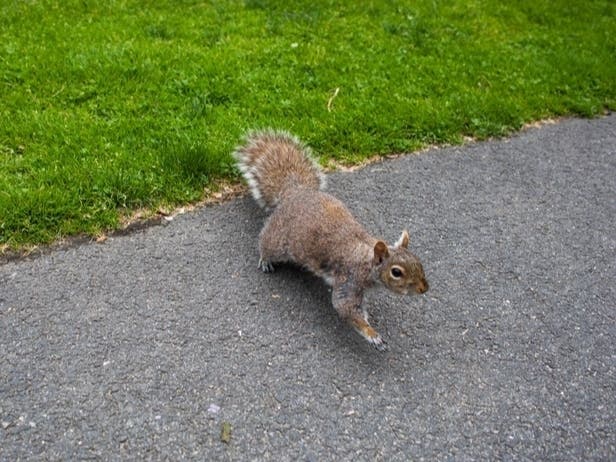
MANCHESTER, NJ — The Manchester Township Council approved an ordinance Monday night that bars residents from feeding wildlife.
But that doesn't mean residents should fear getting a summons for tossing a few peanuts to the squirrel that hangs out in their back yard, the council said.
The ordinance updates an existing ordinance that addressed only the feeding of feral cats by people who were not participating in the township's trap-neuter-return program. The TNR program ordinance sets out specific rules with the goal of reducing the feral cat population over time.
Find out what's happening in Manchesterfor free with the latest updates from Patch.
Council President Craig Wallis said the new ordinance isn't about micromanaging people's homes or yards.
Bird feeders, for example, are not an issue, he said. The ordinance, which is enforced by the township's animal control officer, isn't going to result in people receiving summonses because squirrels are eating birdseed that fell on the ground.
Find out what's happening in Manchesterfor free with the latest updates from Patch.
"We don't want to go after people feeding every squirrel," he said. "We're not trying to stop people from feeding birds."
"Some folks are feeding (animal) colonies," Wallis said, and continuing to do so even after they've been told to stop.
"This is just giving us teeth to address it better," he said.
People who put out food for wildlife — for deer, for example, or other animals — do so thinking the animals need assistance, particularly during the winter, the state Division of Fish and Wildlife notes.
"Deer do not need our help. Supplemental feeding for deer survivability is completely unnecessary because NJ has mild winters with little extended snow cover and highly productive habitat throughout a majority of the state result, which results in little to no winter losses," the division says on its website. "Additionally, deer adapt physiologically and behaviorally to winter. In the fall, deer deposit subcutaneous fat and replace the summer coat with a highly insulted winter coat. In winter, metabolism slows to conserve fat reserves, and behavior is modified to be less active and to seek sheltered areas during extreme weather."
Supplemental feeding of wildlife can create a host of problems, including reducing their fear of humans, which can lead to situations that endanger both people and the animals. Supplemental feeding also can make the animals sick, the division says.
"Feeding enhances the spread of disease and parasites, and may compromise the health of non-target species," the division says. Food piles can increase nose-to-nose contact among animals, spreading illnesses, and piles of food often develop toxic fungi, which cause ill effects to deer and other animals that come to the pile.
Wallis said the ordinance is a starting point, and if it needs to be updated to address issues that arise, the township will amend it.
Click here to get Patch email notifications, or download our app to have breaking news alerts sent right to your phone. Have a news tip? Email karen.wall@patch.com Follow Manchester Patch on Facebook.
Get more local news delivered straight to your inbox. Sign up for free Patch newsletters and alerts.