Schools
BOE Discusses Literacy Program, Technology as Uses for State Aid
No decisions regarding use were made


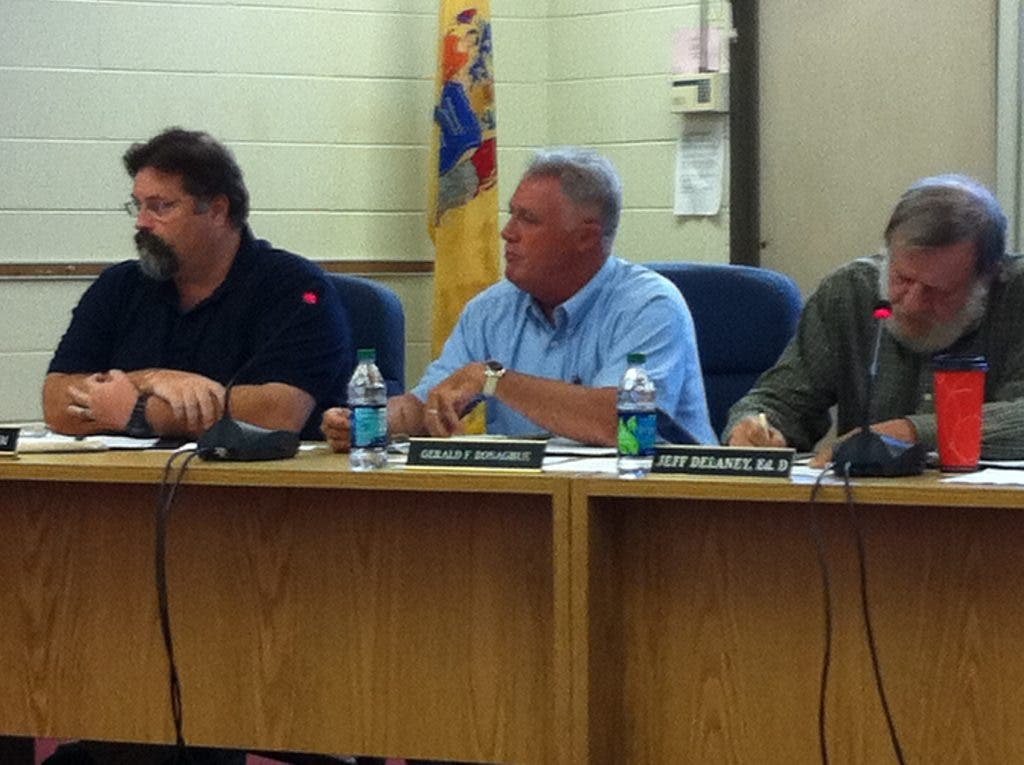
The Board of Education discussed increasing technology and implementing a stronger elementary literacy program this year as a possible way to use a portion of the in state aid given to the district in July by Gov. Christie.
The proposal, as it stood at last night's regular action meeting, would use slightly less than half, or approximately $250,000, of the aid.
Superintendent David Healy emphasized that this was just a discussion and that no definite decisions or plans have been made.
Find out what's happening in Matawan-Aberdeenfor free with the latest updates from Patch.
"I've met with our district administrators to, among other things, discuss the appropriate use of state aid based on genuine needs and not wants," Healy said. "Based on the information we gathered, the two areas that require the most attention remain the technology and curriculum and instruction, specifically regarding the elementary level."
The board can use the money in various ways across three fiscal years, according to James Strimple, the board's business administrator.
Find out what's happening in Matawan-Aberdeenfor free with the latest updates from Patch.
The board may use it for tax relief, to increase the 2011-12 budget, to incorporate it in the 2012-13 budget or to incorporate it in the 2013-14 budget.
If the board wishes to increase the 2011-12 budget, they must submit an excel document detailing where the money will be used to the county by Oct. 15.
According to Strimple, a planned approach across these fiscal years can assist the board in accomplishing three year initiatives or other goals. He warned, however, that the money should be spent in a one time use project because there is no promise that this increase in the budget is permanent.
The elementary reading program calls for supplementing classroom libraries with books that are below level, on level and above level in addition to guided reading so that all children may learn to read on level, according to Jessie Zitarosa, the director of elementary school accountability.
The increase in technology includes increasing internet accessibility through purchasing additional lap tops and a few knooks for students in addition to iPads for the physical education teachers.
According to Dr. Greg Farley, director of technology, the iPads for the physical education teachers would allow for real-time attendance and other technologies.
The physical education teachers currently hand in paper attendance at the end of the day, which can be a safety concern, according to Healy.
Some members of the board said they would prefer to give a tax relief to residents this year and implement the programs next year.
"Right now this is a difficult economic time and a lot of people are out of work. [A tax relief] might not seem like a lot of money but for some people it might seem important," said Kenneth Aitken, a member of the board.
Healy, however, argued that waiting a year to implement these programs will have a negative effect on the students.
"A year to wait is too long," he said. "This is needed at the elementary level. Literacy, literacy, literacy."
Healy said he would be more willing to trim from the technology program than the literacy program, although he believes both are essential.
"Literacy is key. It's the link to math, science, social studnets," he said. "Oftentimes students will be classified and they don't have a learning disability."
The board requested that more information and data on the efficacy of the literacy program and the need for technology be provided before making a decision on them.
The board will discuss the programs more at their next regular action meeting on Sept. 26.
Get more local news delivered straight to your inbox. Sign up for free Patch newsletters and alerts.