Community Corner
Understanding Private Inpatient Addiction Treatment in Morris County, NJ
From a Brand Partner: Morris County families gain clarity through structured, standards-based inpatient addiction treatment planning.

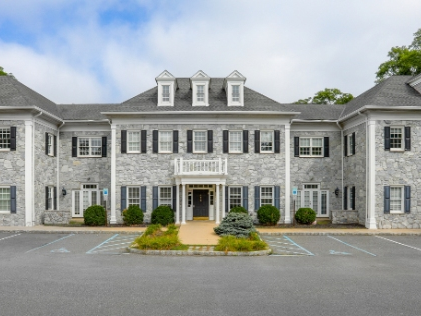
For families in Morris County facing decisions about addiction treatment, the question often isn’t whether help is needed but what level of care makes sense. When substance use begins affecting health, safety, or daily functioning, understanding how structured inpatient treatment works can make an overwhelming situation feel more manageable.Across Northern New Jersey, residents are increasingly seeking structured, medically supervised treatment options that prioritize safety, individualized care, and long-term recovery planning. Rolling Hills Recovery Center in Chester NJ works with individuals and families throughout Morris County with trusted recovery network resources.
According to the New Jersey Department of Health, substance-related hospitalizations continue to impact communities across the state, including Morris County. Local public health initiatives supported by the NJ Division of Mental Health & Addiction Services and Morris County Human Services emphasize the importance of coordinated, evidence-based treatment pathways for individuals experiencing substance use disorders.
In Morris County specifically, public health initiatives emphasize coordinated response efforts between local providers, county human services, and state-supported recovery networks. Families in Chester often face the challenge of navigating multiple systems at once medical providers, behavioral health professionals, and insurance carriers. A structured treatment planning model helps reduce that fragmentation by aligning care decisions within recognized clinical frameworks rather than reactive placement.

Private inpatient addiction treatment settings in Morris County often operate under structured clinical oversight, emphasizing individualized care planning and insurance coverage. At Rolling Hills Recovery Center, alcohol and drug treatment help starts with a comprehensive assessment to determine if outpatient services, coordinated placement, or a higher level of care may be appropriate.When medical stabilization or a higher level of structure is required, individuals may first engage in structured inpatient addiction treatment in New Jersey before transitioning into longer-term therapeutic programming.
Inpatient addiction treatment is typically structured around nationally recognized clinical guidelines. The American Society of Addiction Medicine (ASAM) Criteria, a framework used to determine appropriate levels of care based on medical, psychological, and social needs. This process begins with a comprehensive biopsychosocial assessment, evaluating physical health, mental health, substance use history, environmental stability, and risk factors.
The diagnostic foundation for substance use disorders is outlined in the DSM-5-TR (Diagnostic and Statistical Manual of Mental Disorders). Proper assessment helps clinicians determine whether inpatient stabilization, intensive outpatient care, or step-down services are clinically appropriate. For individuals with co-occurring mental health conditions, integrated dual diagnosis treatment planning is often essential. Effective inpatient care is more than temporary abstinence.
Structured programs emphasize:
- Formal clinical assessment
- Appropriate level-of-care determination
- Evidence-based therapeutic interventions
- Relapse risk management strategies
- Continuing care and discharge planning
These components align with nationally recognized standards such as the ASAM Criteria level-of-care framework, which evaluates medical necessity, withdrawal risk, biomedical conditions, emotional health, relapse potential, and recovery environment. While placement decisions may vary based on clinical need, the goal remains consistent: stabilizing individuals safely while preparing them for sustainable recovery beyond an initial treatment episode.
Insurance plays a significant role in access to care. Many private PPO plans provide coverage when medical necessity criteria are met. Early verification of benefits helps families understand what services may be covered and what steps are required for authorization. Treatment coordination grounded in documentation and medical criteria protects both patient safety and financial clarity. More about insurance verification and treatment coordination.
Insurance verification involves reviewing policy benefits, pre-authorization requirements, and medical necessity documentation before admission. Clear communication between clinical teams and insurance providers reduces delays and ensures that recommended services align with coverage guidelines. For families in Chester and surrounding Morris County communities, understanding these steps in advance can significantly ease the decision-making process.
For those in Chester and across Morris County, working with a center that prioritizes structured assessment and standards-based placement can reduce confusion during a high-stress time. The focus is not on selling a label, it is on aligning care with established clinical frameworks.
Addiction treatment in New Jersey continues to evolve alongside public health data and evidence-based research. Centers that operate within ASAM guidelines, adhere to state oversight expectations, and integrate community-level awareness demonstrate a commitment to both clinical integrity and regional accountability. In recently published clinical outcome reporting, Rolling Hills Recovery Center highlighted measurable improvements across recently published outcome data.

Recovery begins with accurate assessment and medically appropriate next steps. is often essential. In Morris County, families seeking guidance can benefit from working with a structured treatment center that understands both the clinical and regulatory landscape of addiction care in New Jersey. For individuals with co-occurring mental health condition integrated dual-diagnosis treatment planning provides much needed clarity and support for decision making.
As addiction treatment standards continue to evolve, centers that prioritize measurable outcomes, ethical admissions practices, and coordinated discharge planning stand out. Community-based trust is built not just on services offered, but on consistency, transparency, and alignment with established clinical frameworks.
This is a paid post contributed by a Patch Community Partner, a local brand partner.. The views expressed in this post are the author's own, and the information presented has not been verified by Patch. To learn more, click here.