Home & Garden
Keansburg Police Grapple With Dead Fish Removal
You should know about the fish kill by now. But what to do if live on the Raritan Bay and actually have dead fish on your property?


Keansburg, NJ - Everyone in New Jersey should now be aware of the fish kill phenomenon that occurred in Keansburg over the weekend: Thousands of dead peanut bunker suffocated to death from low oxygen levels in the water, and washed up in creeks and on beaches.
But what to do if live in Keansburg, Hazlet or Middletown and actually have dead fish on your waterfront property?
"Put the dead fish in bags and put them out with the regular trash," Keansburg Deputy Chief Kevin White told Patch. "That's what we're telling people to do with them."
Find out what's happening in Middletownfor free with the latest updates from Patch.
The dead fish started washing up Saturday, in the hundreds of thousands. But as of Wednesday, those same fish are still being pushed onto beaches and property, pushed back and forth by the incoming and outgoing tides.
"The phone calls started over the weekend, and it got progressively worse over time," said Deputy Chief White, who said his police force has easily fielded "dozens" of fish calls in the past five days. "Our public works department has been working diligently to sift through the sand on the beach and get rid of as many fish as they can. We're really trying to get rid of as many as we can."
Find out what's happening in Middletownfor free with the latest updates from Patch.
"It's thousands of fish -- you'd have to ask public works how many Dumpsters of fish they've removed so far," he added.
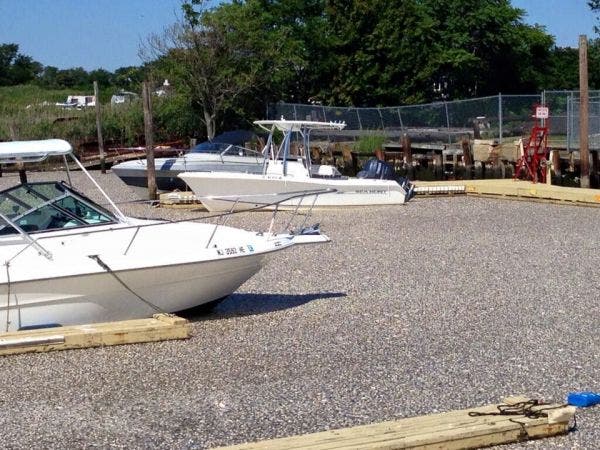
As Patch reported on Tuesday, fish kills are not an unusual occurrence, and White said this happens almost yearly in Keansburg. But this year does stand out as particularly bad, with particularly high numbers of dead fish coming ashore.
"A few years ago it was as bad as this," he said. "This year it's definitely gotten the most attention. Calls from ABC News, helicopters flying above."
The low oxygen levels are "primarily a natural phenomenon, but it is exacerbated by polluted runoff, including fertilizers from lawns, which is why preserving stream corridors and buffers is important,” Greg Remaud, the deputy director of NY/NJ Baykeeper, told NBC 4.
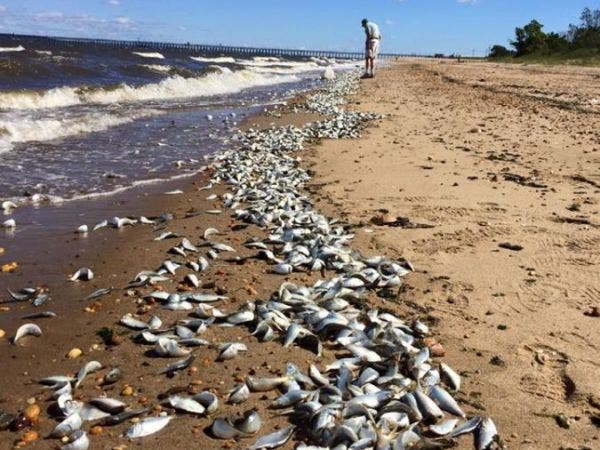
All photos provided by NY/NJ Baykeeper.
Get more local news delivered straight to your inbox. Sign up for free Patch newsletters and alerts.