Schools
BOE Members Disagree On Naming Policy
Several residents voice concerns over Policy 7250 at Tuesday's BOE meeting. The policy is heading back to committee once again.
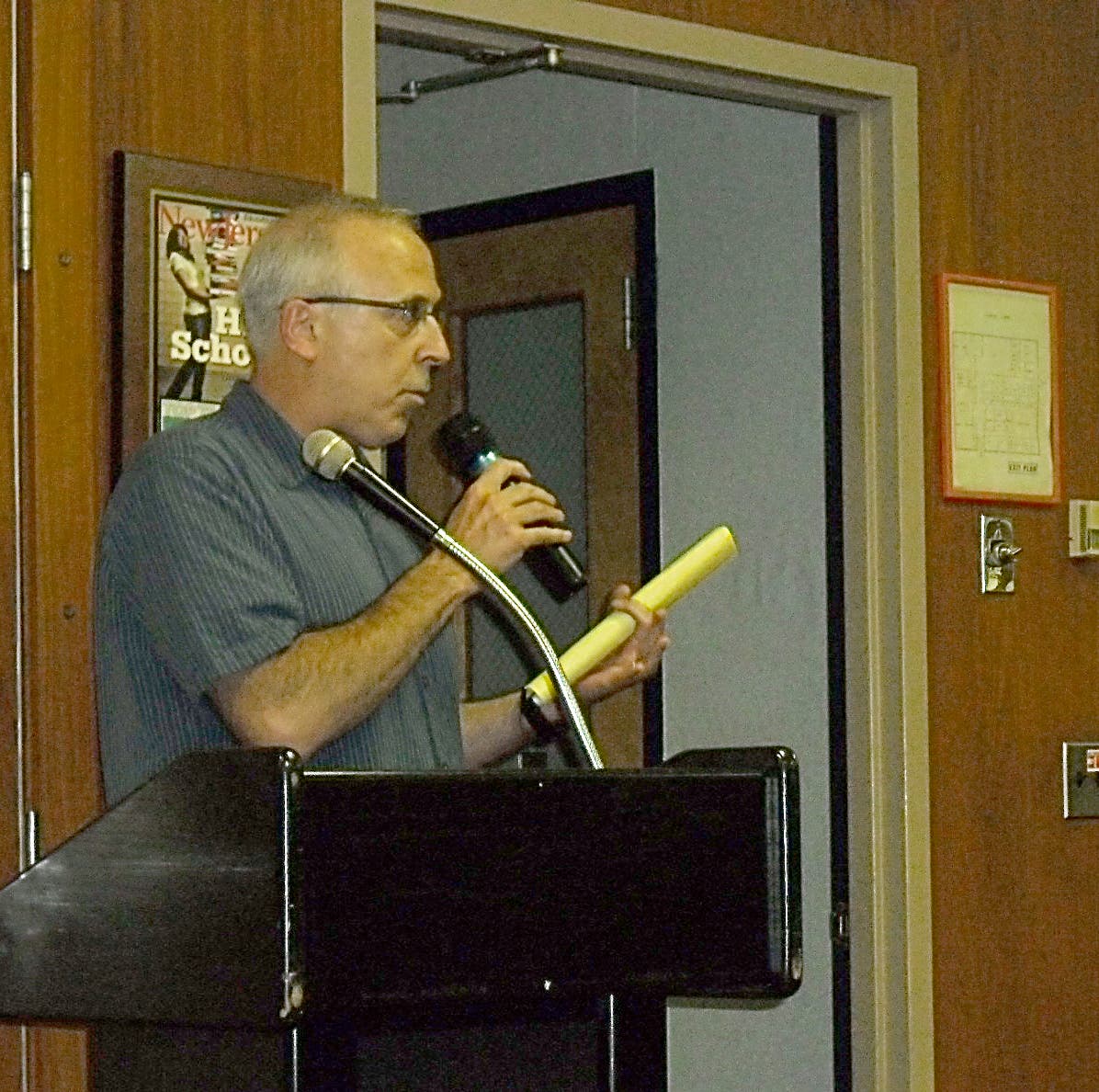
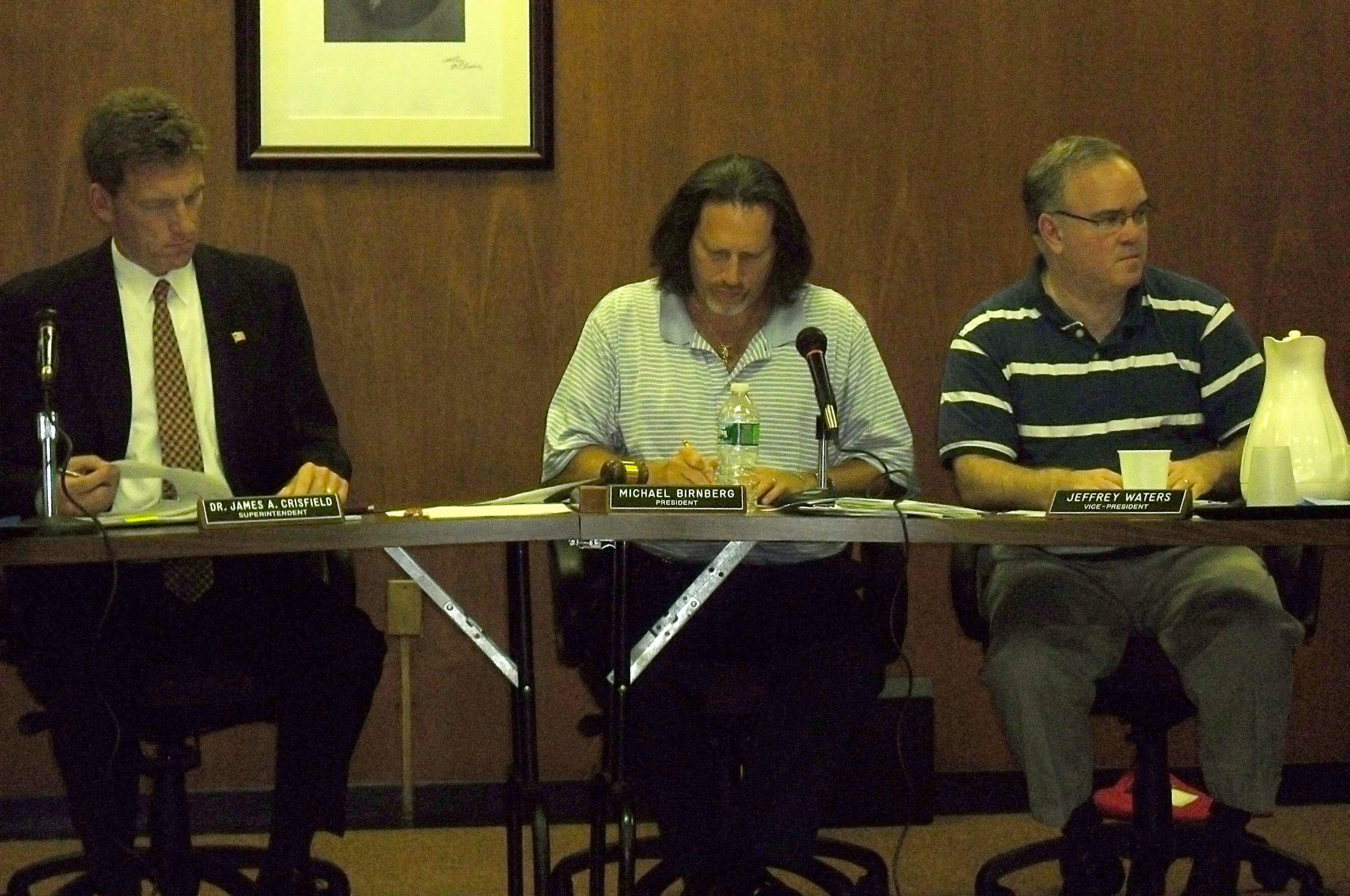


In a meeting that garnered more than a few groans from the crowd of 30 residents, Board of Education members revisted Policy 7250 - the naming policy that has created a stir since revisions were first introduced in February. The discussion comprised more than two-thirds of the Tuesday night meeting, which lasted less than three hours.
The latest revisions to the policy, which was first implemented in 1999 and revised in 2008, are meant to clarify what property is covered under the policy and further define the 10-year sunset clause. Policy 7250 dictates how certain things can be named, and after what time frame. It is being revised by the BOE's policy committee.
When the meeting was opened to public comment, residents chastised the board for "wasting time" on such a nominal issue and accused the policy writers of trying to strip Millburn of its rich history.
Find out what's happening in Millburn-Short Hillsfor free with the latest updates from Patch.
Boardmember Sam Levy, head of the policy committee, started by saying his committee had worked to clarify the language of the policy as to dispel any confusion over what the policy applies to.
"It does not apply to permanent assets such as bricks, trees, benches and the like. The revised 7250 was always intended to apply to permanent buildings and resources," he said. "It does not address or in any way impact already existing things such as bricks, awards, trophies and things like that. It does not de-name things. It never did, and the revised does not do those things either."
Find out what's happening in Millburn-Short Hillsfor free with the latest updates from Patch.
Boardmemebers Lise Chapman, Debra Fox and Rona Wenik say they will not support the policy.
Wenik was the first to comment.
"Policy 7250 is poorly worded and confusingly crafted. While the policy committee has recently taken steps to limit its application, it remains misguided. As our students look around the buildings of our district they can see tangible work of others who are a part of us and a part of our history. Lessons they teach do not expire every 10 years."
Wenik went on to cite the policy's lack of guidance on the naming of anything in memory of a deceased parent or employee. She mentioned a tree named for a district child's mother, to which Board President Michael Birnberg replied, "Does that mean you think every child who has a parent that dies, a sibling, a grandparent, deserves a tree named after them?"
The audience was audibly annoyed by Birnberg's question, which he delivered with a slight chuckle.
Levy replied, "The policy also does not address the death of a bird," a response that had the audience saying "Oh, come on!"
Levy reminded Wenik that she - and all board members - had an opportunity to submit language changes, but did not do so.
Chapman was next to comment. She went through the policy line-by-line, questioning the wording of certain phrases.
"I don't get it. What is the overall message you're trying to deliver?" she asked. "Who is going to establish the criteria to decide which properties can be continued or not continued. Who will decide what properties will be renewed?"
Chapman questioned the use of the word "fixture," asking if it applies to plaques on the wall. Levy said plaques are forms of recognition, and will not be de-named. She asked what defines non-permanent school property and assets, and how the policy applies to athletic fields or playgrounds.
"I feel like Bill Clinton at his deposition with Monica Lewinsky," Levy replied.
As Chapman's questioning continued, the atmosphere grew more agitated. She asked where the precedent is, to which Birnberg asked, "Are you saying we should never create a precedent? That we shouldn't be a pioneer?"
Chapman said this is not the issue Millburn will want to be known for pioneering. She cited research that shows colleges and universities do not have such policies, except in the instance of scandal or failure to deliver on promised grant payments.
As she finished, Chapman said the BOE should not be wasting valuable time on a naming policy, and addressed the eye-rolls and smirks aimed in her direction.
"You're completely rude. The audience sees it. We don't need to eliminate Millburn's history, we don't need a sunset clause. Why are we creating something that is so destructive? This is not for us to be dealing with."
The next board member to comment was Debra Fox.
"To me the sunset clause is dangerous – as we move forward with a new board, there wil be less knowledge of the past and that is a concern," said Fox. "We're walking down a road that would erase our history and I think history is important."
Jeffrey Waters offered the final boardmember comments - only six members were present at the meeting - stating his concerns that naming and monetary donations were being connected. "You shouldn't get to buy the ability to name something here at the Millburn public schools. I feel donation and naming shouldn't go together."
As the member comment portion closed and the microphone was opened to the public, residents lined up to show their disdain for the policy. No one stood up to support the policy.
"The act of naming is a way that we reaffirm our dedication to values. It is a bond to the people that are here now, have been here in the past, and will be in the future," said John O'Neil.
"This defeats the purpose of why these people were honored in the first place. How demeaning would it be to find out 10 years down the road that their name has been removed? How can that be justified? Do we really want to saddle a future board with deciding what individuals are worthy?" asked former BOE member Ronni Schuman-Brown.
Arthur Fredman said he is "mystified" by the behavior of the board. "I don't care for the smugness that goes on around these hallowed walls about our past." He then cited policy 6210, which says the BOE is responsible for fiscal management of the school district.
"We are approaching a budget deficit, yet this naming policy has been going on since February. It's been better than a lot of T.V. shows out there, but I call on you to restore focus and by majority rule to postpone this motion indefinitely."
The policy is heading back to committee.
Levy apologized for his comments during Chapman's questioning. "I will tone down the rancor," he said.
In accepting, Chapman took one last shot at stating her opinion.
"We need to go forward and be constructive. What's been presented should be terminated and we should move on."
BOE members Scott Kamber, Eric Siegel and Mark Zucker were absent on Tuesday.