Health & Fitness
Essex County Prison Inmates Get Mental Health Care At Nearby Hospital
"We are taking a different approach – one that is rooted in compassion, collaboration and evidence-based care."


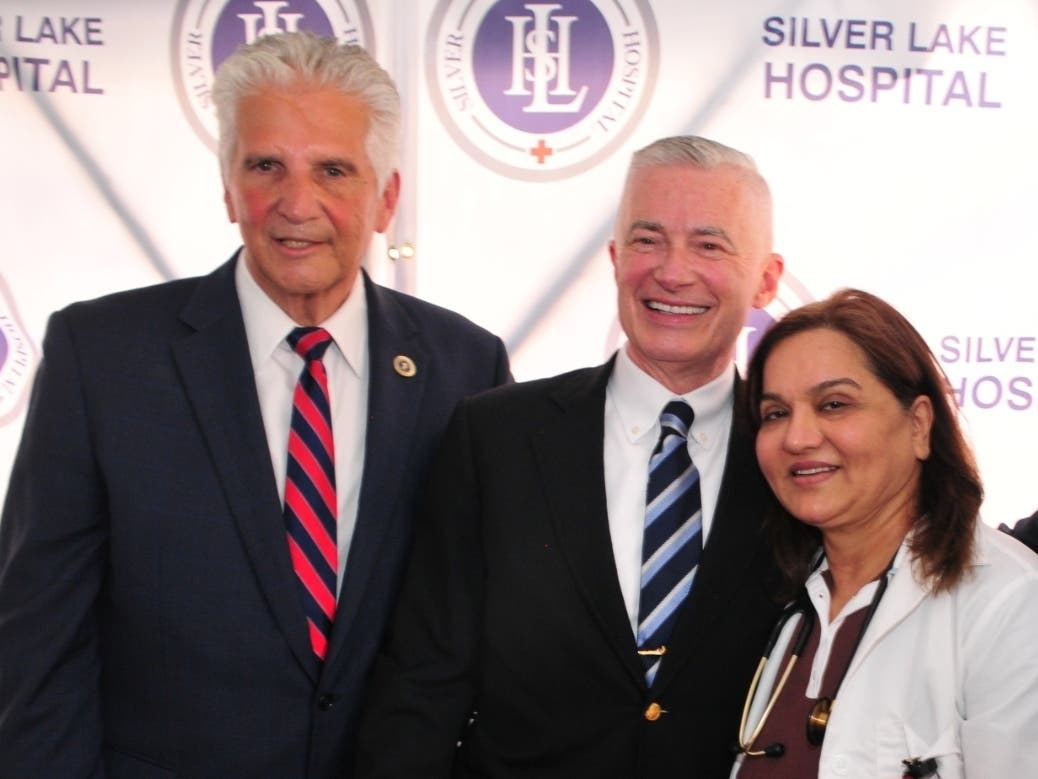
ESSEX COUNTY, NJ — A new partnership will allow prison inmates at the Essex County Correctional Facility in Newark to get mental health care at a nearby hospital, officials announced this week.
Essex County is partnering with Silver Lake Hospital, a long-term acute care hospital in Newark, to run the program – which got a big thumbs-up from elected officials and advocates.
Here’s how it works, according to the nonprofit:
Find out what's happening in Newarkfor free with the latest updates from Patch.
“Through Essex County’s partnership with Silver Lake Hospital, eligible individuals are screened for safety and clinical appropriateness and, where approved, transferred to Silver Lake Hospital for psychiatric treatment, medication management, stabilization and continuity of care in a medical setting.”
According to county spokespeople, there is a “substantial population” of inmates at the prison who have mental health needs that require specialized care and housing.
Find out what's happening in Newarkfor free with the latest updates from Patch.
Multiple lawsuits have been filed over the past few years on behalf of prisoners with mental illnesses who died or were severely injured at New Jersey’s largest county-run jail.
- Related: Mentally Ill NJ Inmate Hung Himself While In Straitjacket, Family Claims
- Related: $8M Settlement Reached After Prisoner’s Vicious Beating In Essex County
The issue of mental health care at the ECCF was one of the chief concerns identified by members of a watchdog task force in a 2022 report.
“Staffing across all sectors of the jail is spread thin,” the Essex County Civilian Task Force’s medical subcommittee reported. “In the case of mental and behavioral health care, it only allows for attention to the most urgent cases.”
Essex County Executive Joe DiVincenzo Jr. said the county has been working with the task force and other partners to improve mental health care for inmates, including the superior court, prosecutor’s office and public defenders’ office.
“This partnership with Silver Lake Hospital will enable our inmate with mental health issues to get the treatment they need in a more supportive and nurturing environment,” he said.
According to a statement from the county, it will all result in better care for inmates:
“Essex County’s partnership with Silver Lake Hospital, a long-term acute care hospital, establishes a structured pathway for evaluation, transfer, psychiatric treatment, medication management, and continuity of care. This level of specialized attention would not be possible if the inmate remained in the Essex County jail. Eligible inmates at ECCF are screened for safety and clinical appropriateness and, where approved, released to Silver Lake Hospital for treatment in a medical setting rather than remaining in jail.”
Essex County has had about 120 inmates successfully complete the program. There are 22 inmates currently in the program at Silver Lake Hospital, which also has 40 other people from other jail facilities in its specialized unit.
The hospital has an application pending with the New Jersey Department of Health to expand the unit by another 38 beds, officials said.
Essex County Correctional Facility director Ron Charles said prisons across the country have become the default response to people struggling with mental health challenges.
“We are taking a different approach – one that is rooted in compassion, collaboration and evidence-based care,” Charles said. “Rather than allowing individuals to simply cycle through the criminal justice system, we are creating a pathway toward stabilization and recovery.”
County officials noted that the new partnership with Silver Lake Hospital complements other institutional enrollment services at the ECCF, including programs run with the NJ Reentry Corporation (NJRC), a nonprofit that helps incarcerated people get back on their feet.
Former governor Jim McGreevey, who serves as the executive director of the NJRC, said prison can intensify fear, isolation and clinical instability for people with serious mental illnesses.
“Trauma changes the brain,” McGreevey said.
New Jersey Sen. Teresa Ruiz, who represents Newark and other municipalities in the 29th district, also backed the new prison-to-hospital pipeline.
“If we really want to make a difference, we have to find out what the problem is and why it is happening,” Ruiz said. “Then that person can be helped and reinstated into society and contribute to the community.”
“This is an investment in human capital,” she said.
The high number of inmates with mental illness is not unique to Essex County. Nationally, the Substance Abuse and Mental Health Services Administration (SAMHSA) estimates that 44 percent of people in jail have a mental illness, underscoring an urgent need for correctional systems to coordinate directly with clinical providers.
Send local news tips and correction requests to eric.kiefer@patch.com. Learn more about advertising on Patch here. Find out how to post announcements or events to your local Patch site.
Get more local news delivered straight to your inbox. Sign up for free Patch newsletters and alerts.