Schools
Concern on Preserving History Expressed in Naming Policy Debate
The policy is headed back to the Policy Committee for further work.

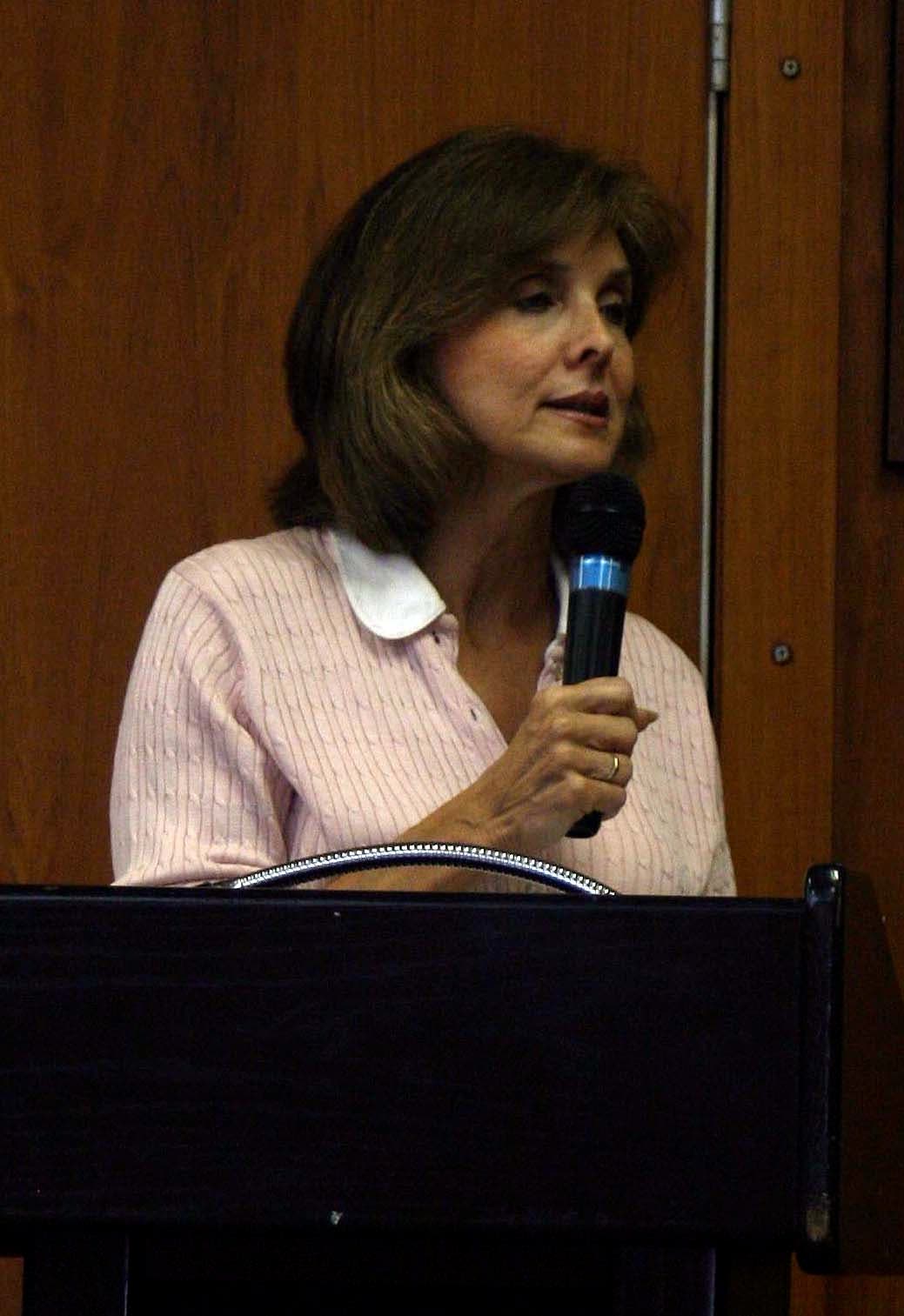
The proposed changes to the Board of Education's naming policy wasn't on the agenda Monday night, but it was still a lengthy topic of conversation among board members and residents at the meeting.
At issue with several people is the potential for several school properties to be denamed because of a sunset clause included in the proposed naming policy. The most recent policy proposal, which is headed back to committee for more work, would create a waiting period for naming "buildings, rooms, fixtures and structures" for former students and staff in addition to the sunset clause.
Scott Kamber, a board member, said there has been a lot of anger about the clause directed at Policy Committee Chairman Samuel Levy, but he is the one who had a major role in authoring it. The heat Levy is taking is "wrongly put," he said.
Find out what's happening in Millburn-Short Hillsfor free with the latest updates from Patch.
Kamber, who said he'd rather see no naming happen in the district, said it's not the intent of the proposal to be disrespectful and it's important to have a discussion about the policy. It can be easier to name something than to remove a name, he said, which is the consideration for the sunset clause.
But others are concerned how the policy could affect things like Hartshorn Elementary School and Slayton Field because of the provision. They questioned if the names of those things would be removed. Some even went so far as to call the proposal the "denaming policy" because of the sunset clause.
Find out what's happening in Millburn-Short Hillsfor free with the latest updates from Patch.
Board member Lise Chapman reviewed how Hartshorn and Slayton Field were both named, saying how people with vast accomplishments have been honored with namings. There's a lot of history in the things that have already been named, she said.
"We need to know the story before we change the story," she said.
Lynne Ranieri, who is the curator at the Millburn-Short Hills Historical Society's museum but said she was speaking only for herself, said the best way to teach history is connecting it to someone's daily life. She does that on walking tours and other work she does with Millburn-Short Hills students. She said how the names of streets, schools and fields help children understand the township's history better.
She asked the board to spell out in the policy how the names would not be removed so it would quell people's fears.
"You should make history and not risk erasing it," she said.
But Kamber said it was never the intention of the sunset clause to affect Hartshorn School and he said Chapman's comments are only inflaming people further. "No one wants to rename Hartshorn School," he said.
Chapman responded by asking if anyone had done the work on finding out everything that has been named in the district. It's not clear what will be affected, and it needs to be clear, she said.
Several opponents to the policy change, including Chapman, cited how members of the public have not come forward to support any change. Among them Monday night was resident Milton Resnick, who said he hopes the board abandons trying to change the policy. He sees it as arrogant and vague. He accused the board of behaving insensitively.
Board Chairman Michael Birnberg said how the board votes should not be based on the majority opinion of the public in the room but rather what is best for the 20,000 people the board represents.
Board Vice Chairman Jeff Waters likened the discussion to last spring's redistricting debate. While there were many people who came forward to speak, there were few people who supported redistricting publicly. Board members said several times last spring they received many, many e-mails and phone calls from people who supported redistricting.
The board needs to take in all the input, but they also need to make the best judgment. He also said the board may not be able to speak about things they know because of rules on what members can say.
Waters also said board members can have evolving views and cited his views on redistricting. He viewed the original redistricting proposal one way until a parent commented. After researching those comments, he said, he changed his mind.
Board member Rona Wenik, though, said comparing the redistricting debate is like comparing apples and oranges. The vast majority of the people who spoke in opposition of the redistricting plan were individually affected, she said. That is not the case with the naming policy.
Chapman also questioned why the board was focusing its attention on a naming policy when there's other issues like budget issues, how redistricting has worked and how the department chairman structure is working to be tackled. In response, Waters, Finance Committee chairman, said it's not the right time to take up some of those issues.
The board didn't want to make the decision on changes like class size, courtesy busing and user fees over the course of three days, he said, so a decision was put off until more study could be done. It's only September, and the district has a new superintendent, a new assistant superintendent for curriculum and a new business administrator joining the district in a few weeks, he said.
"It's not the time to have a three-hour meeting on the budget," he said.
Get more local news delivered straight to your inbox. Sign up for free Patch newsletters and alerts.