Politics & Government
3 Ways NJ May Change What You Pay In Taxes
Could you be paying more or less? It all depends on what Gov. Phil Murphy and state lawmakers have up their sleeves.


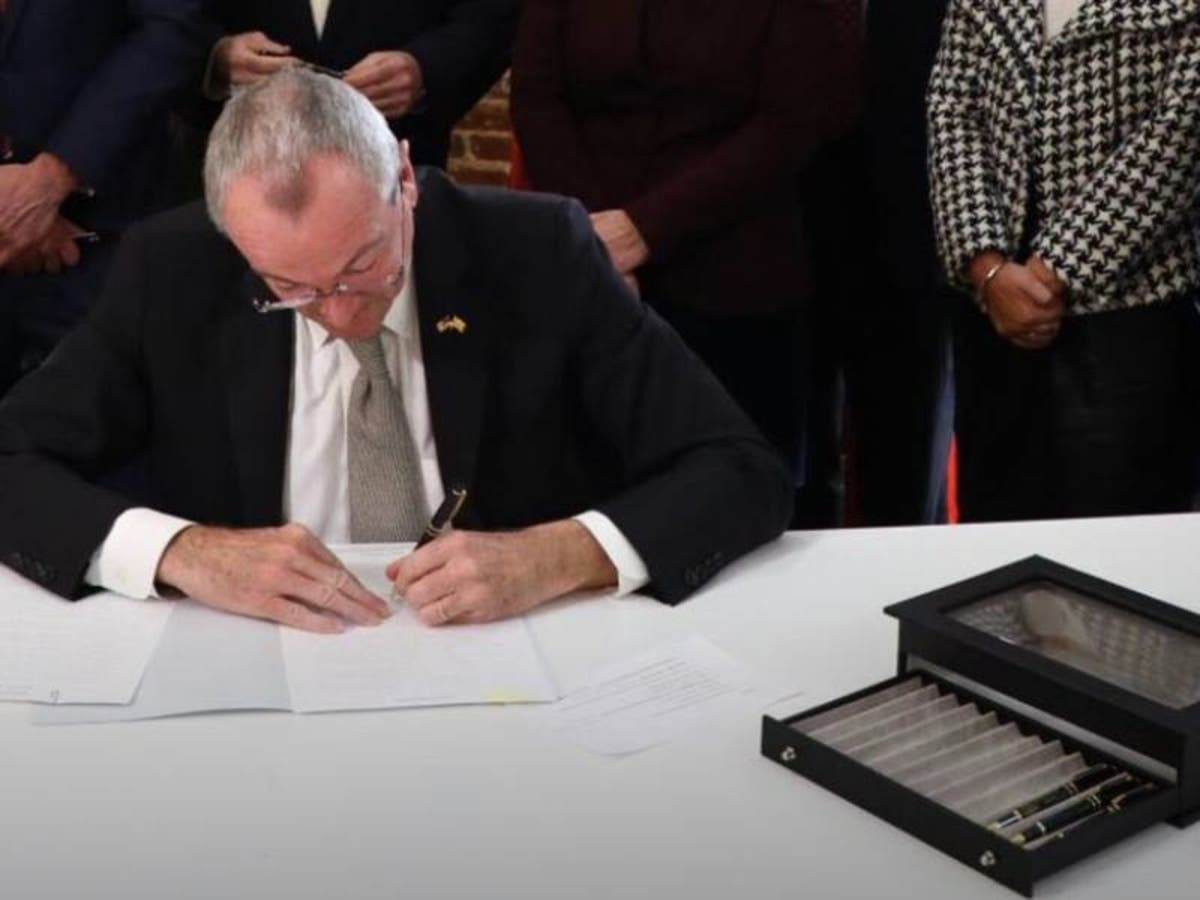
President Donald Trump has successfully passed tax reform, but Democratic NJ Gov. Phil Murphy and state lawmakers also have their own plans in mind that could also change how much you pay each year.
And they're taking it in a completely different direction.
Indeed, Murphy and state lawmakers want to target tax high-earners in their own version of tax reform. The strategy would be quite the opposite of Trump's plan that sharply cut taxes paid by corporations and high-earners while providing more modest reductions for the middle-income bracket.
Find out what's happening in Montclairfor free with the latest updates from Patch.
Here is what could be coming for New Jersey taxpayers
- Murphy has been pushing a "millionaire's tax" – without specifics – that would raise revenues from the highest-earners and pay for a potential budget shortfall expected in 2018.
In doing so, Murphy wants to:
Find out what's happening in Montclairfor free with the latest updates from Patch.
- Create a public bank to invest in Main Street, so that "New Jersey money is put to work for New Jersey, not for Wall Street;"
- Divest pension funds from hedge funds and private equity;
- Establish a state-level Consumer Financial Protection Bureau and strengthening existing regulations in light of Trump’s efforts to roll-back the federal Dodd-Frank Wall Street reform law;
- Ensure tax fairness by closing loopholes for wealthy individuals and large corporations; and
- Hold bankers accountable by prosecuting financial fraud.
"Rather than holding bankers accountable for wrecking the global economy, Governor Christie and the insiders in Trenton kept looking out for special interests while all the economic gains went to those at the top," Murphy said.
Success isn't guaranteed for Murphy's plan, however, and some Democrats have expressed skepticism that any tax increase could halt the economy's growth. The Christie administration also released a report last month that predicted a millionaire's tax could compel high-earners – who pay a large share of the tax revenues – to flee the state.
- Murphy and NY Gov. Andrew Cuomo plan to file the lawsuit within the coming weeks, saying they object to the Trump tax plan that they believe will place an unnecessary burden on New Jersey and other states with high-property taxes.
The plan would eliminate personal exemptions to help pay for the tax cut that some estimate could cost more than $1 trillion. Three important components of the plan could end up costing New Jersey taxpayers more:
- The bill nearly eliminates deductions for state income or sales taxes (State and Local Tax (SALT) Deduction)
- The plan caps the deduction for property taxes at $10,000. This element is viewed as a compromise because original tax reform plans called for doing away with the deduction entirely.
- The bill preserves the mortgage interest deduction only for existing mortgages of up to $1 million but cap future deductions for mortgages up to only $500,000.
Read more: How New GOP Tax Plan Could Impact New Jersey Residents
Murphy said capping deductions for state and local taxes had "nothing to do with sound policy."
"It is a clear and politically motivated punishment of blue states – like New Jersey and our neighbors. We will not stand by and allow this to happen," he said.
- U.S. Rep. Josh Gottheimer, D-Sussex, has offered a plan that restores the value of SALT by providing a tax deduction for taxpayers who make charitable contributions to their state or other local governments.
Similarly, U.S. Rep. Leonard Lance, R-Union, also proposed a bill to overrule the IRS ruling and allow taxpayers to deduct all of their 2018 prepaid taxes from their 2017 income returns.
In Gottheimer's bill, state and local governments can establish or support funds that pay for local services, including schools, law enforcement, and infrastructure. Taxpayers can make voluntary contributions to these funds, for which they will receive an offsetting tax credit, he said.
The contributions would be deductible for federal tax purposes under existing law, even for those who pay the alternative minimum tax. This structure effectively restores the benefit of the lost state and local tax deduction to the extent of the contributions for most taxpayers who itemize.
“In Jersey, we don't just take a punch and snake away to the corner. No, we stand up and fight,” said Gottheimer. “Jersey is fighting back against the moocher states with a tax cut plan that actually helps people who live in New Jersey. I ran for Congress to cut taxes for our residents and businesses.”
Gov. Murphy photo
Get more local news delivered straight to your inbox. Sign up for free Patch newsletters and alerts.