Politics & Government
Sherrill Lifts 40-Year Ban On New Nuclear Power Plants In NJ
The move will help to lower skyrocketing energy bills in New Jersey, the governor said.


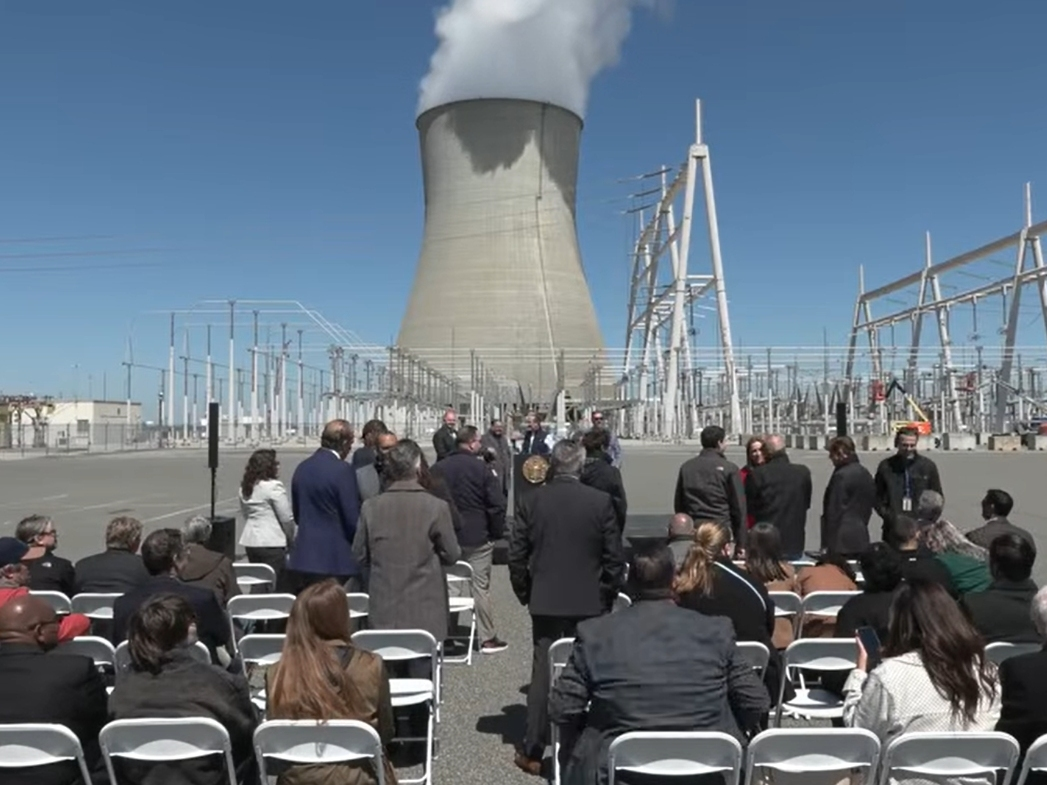
Gov. Mikie Sherrill and state legislators have lifted a decades-long ban on building new nuclear power plants in New Jersey, a move they say will help lower skyrocketing energy bills.
On Wednesday, Sherrill signed legislation that clears the path for new nuclear energy development in the state.
According to the governor’s office, the bill, S3870/A4528, allows the New Jersey Department of Environmental Protection (NJDEP) commissioner to bypass the Coastal Area Facility Review Act and approve permits from operators who demonstrate they can safely store their nuclear waste.
Find out what's happening in Montclairfor free with the latest updates from Patch.
The bottom line? More “clean energy” in New Jersey, lawmakers say.
“For costs to come down, we need more energy supply,” Sherrill said.
Find out what's happening in Montclairfor free with the latest updates from Patch.
“This will help New Jersey secure a stronger, cleaner, more affordable and reliable energy future – while keeping the state at the forefront of innovation, job creation and economic growth,” the governor said.
Sherrill made her announcement after a tour of the Salem Nuclear Power Plant in Lower Alloways Creek Township. Together with the nearby Hope Creek facility, the two sites produce more than 40 percent of New Jersey’s electricity and supply roughly 80 percent of the state’s “pollution-free power.”
As part of her election campaign, Sherrill said she would issue a rate freeze in New Jersey on her first day as governor – putting the brakes on skyrocketing utility costs. The former congresswoman has been pitching a plan to massively expand solar, battery storage and nuclear power.
According to the governor’s office, the average residential electricity price in New Jersey went up more than 33 percent from June 2023 to June 2025. Electricity rates in the state are among the highest in the continental U.S.
Sherrill declared a state of emergency on her first day in office. Her executive orders cite several reasons for the skyrocketing price of electricity in New Jersey:
“The recent rise in electricity bills in our state is due to several factors, including but not limited to the escalating cost of transmission and distribution infrastructure on which the grid relies, volatility in the price of natural gas, and the skyrocketing price of the future supply of reliable, wholesale electricity—also known as capacity—in the regional PJM market.”
PJM Interconnection, a regional transmission organization, coordinates the movement of wholesale electricity in all or parts of 13 states and the District of Columbia.
The Sherrill administration has also made recent moves to boost solar power in New Jersey.
In March, the New Jersey Board of Public Utilities approved a massive expansion of its community solar energy program, awarding incentives to boost solar production at three sites in Gloucester and Passaic counties.
>> READ MORE: NJ Makes 3 Big Moves On Solar Power Under Sherrill
In contrast to solar, battery and nuclear power, Sherrill has been less enthusiastic about coal, previously saying that New Jersey is importing “dirty and expensive energy” from other states – a situation that she said “has to stop.”
- Related: NJ Environmentalists Push For New Agenda With Sherrill In Governor's Office
- Related: Controversial NJ Bill Would Charge Fossil Fuel ‘Polluters’ Billions In Fines
Send local news tips and correction requests to eric.kiefer@patch.com. Learn more about advertising on Patch here. Find out how to post announcements or events to your local Patch site.
Get more local news delivered straight to your inbox. Sign up for free Patch newsletters and alerts.