Health & Fitness
Benefits of Warming Up Before Your Exercise Routine
Mark Mogavero discusses the importance of a proper warm up prior to exercising. See how it can help your workouts be more productive, and help avoid injury.
You’ve decided to make working out a priority and have carved out some time for training. This is great, but have you included warming up in your routine? Many gym goers are short on time and feel warming up isn’t necessary. This is a big mistake. Taking a few minutes (typically 5-10 minutes) to warm up before your exercise routine can help you maximize your results, prevent injury, and prepare your body for the challenges it will encounter.
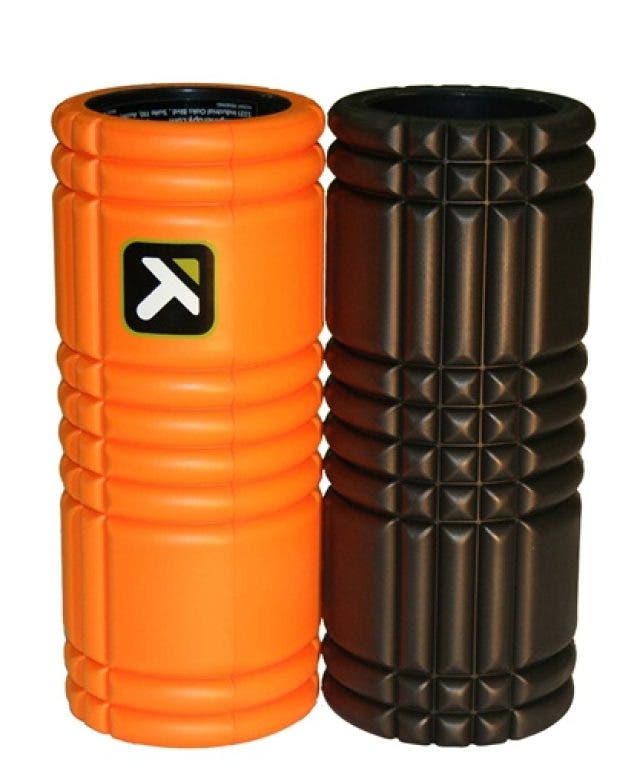
Warming up generally involves participating in some form of light cardiovascular activity or an activity related to your exercise program. The warmup for our adult fitness classes involves five minutes of foam rolling, and five minutes of mobility work prior to the start of any exercise.
The warm up should be done at a limited pace and intensity for about 5-10 minutes. That may seem like a long time to a person who feels rushed and therefore jumping straight into the workout may seem more productive, but it is actually counter-productive in the end. Warming up provides many benefits, which include:
Find out what's happening in Montvillefor free with the latest updates from Patch.
-
Enhanced speed and strength. When you warm up, the temperature of your muscles gradually increases, allowing them to contract more forcefully and relax more quickly.
-
Reduced risk of muscle strain and muscle pulls. Warmed up muscles as well as an overall increase in body temperature make your muscles more elastic. This helps prevent injuries to the muscles.
Find out what's happening in Montvillefor free with the latest updates from Patch.
Prevention of overheating. Warming up helps activate your body’s cooling mechanism, making sweating more efficient. When your body is able to cool itself effectively, it is less likely to overheat.
Less stress on the heart. Warming up causes blood vessels to dilate, increasing blood flow and making things easier on your heart.
Increased endurance. Blood temperature also increases during warm up. During this process, oxygen does not bind as well with hemoglobin. As a result, oxygen is more readily available to your working muscles. This may enhance your endurance.
Improved mental preparation. Warming up can help you focus on your goal by clearing your mind and improving your concentration on the task at hand.
So how do you warm up? Warming up is an individual activity; it should benefit you and relate to the exercise routine in which you will participate. If your exercise is walking, you might warm up by walking slowly for 5-10 minutes. If you are going to run, you might begin with brisk walking.
If you will be doing strength training with weights, you can do some activity that uses the same muscles and movements the strength training exercises will use. If you will be lifting weights that are heavy for you, warm up will also include a few sets with a gradual increase in weight. Your body should be prepared for the workout, but not fatigued.
If you have any tight or sore muscles, you may stretch them gently, but only after the muscles are warm. There is some evidence that stretching before warming up can cause injury. Talk to your trainer or coach about specific recommendations for warming up and preparing for your routine.
A good warm up does not take a large amount of time and it is a good investment. With your mind clear and your muscles ready, you will be up for the challenge of your workout, making it more effective. Warming up can prevent fatigue, stress and injury, and actually enhance your overall workout. Warming up is just as important and the exercise routine itself. It should be part of your routine and not thought of as something you squeeze in if you have time.
Learn more about your local fitness expert