Neighbor News
What is Addiction?
Addiction Psychotherapy vs. Traditional Treatments, help for those in need
What is Addiction?
how do drug use behaviors become involuntary
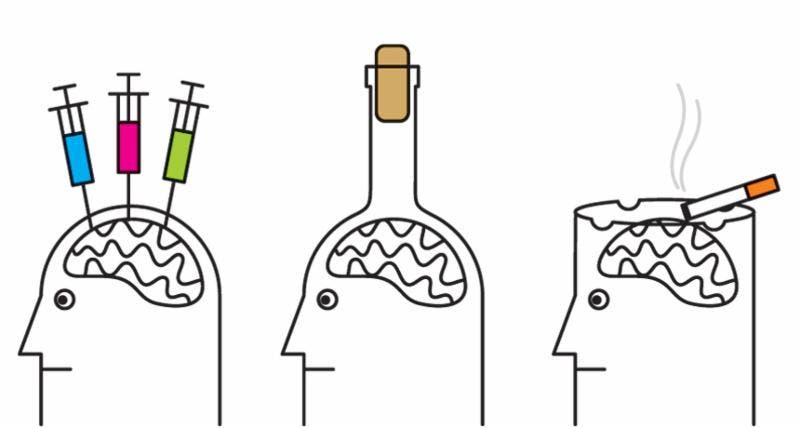
Drugs stimulate the release of certain important brain chemicals (called neurotransmitters), mostly targeting those neurotransmitters associated with pleasurable sensations. Because the drug user's brain is being exposed to more of the drug on a more continual basis, the brain starts to produce new receptor cells to "receive" these drugs. Once an individual becomes chemically dependent, then they are likely to experience cravings at an increasing frequency, but will find that using the same amount of the drug they have previously used, is no longer effective.
What is Psychotherapy?
learning to cope
Find out what's happening in Morris Township-Morris Plainsfor free with the latest updates from Patch.
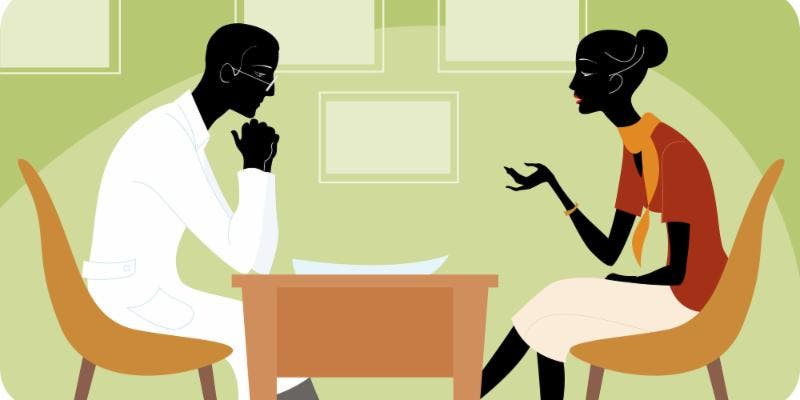
Psychotherapy refers to a range of treatments that can help with mental health problems, emotional challenges, and some psychiatric disorders. Psychotherapy can provide help with a wide range of problems, from depression & low self-esteem to addiction and family disputes. It is a process which emphasizes the patient's "free associations." It is not the role of the analyst to guide the discussion. Patients are encouraged to talk about whatever is on their minds. As people became more used to discussing their lives, surprising and troubling issues might emerge, these issues are then interpret for the patient. During the re-telling of painful memories, individuals re-experience the emotions associated with the memory they discuss. This can result in a catharsis, or release of previously held negative emotion.
Using Psychotherapy for Addiction
nature of the addiction
Find out what's happening in Morris Township-Morris Plainsfor free with the latest updates from Patch.
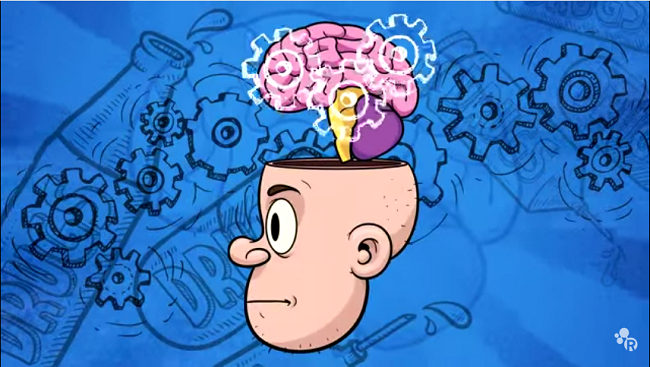
All forms of psychotherapy have the overall goal of increasing or restoring individuals to healthy functioning. Examining and overcoming the psychological causes of addiction can help you on the road to recovery. This generally involves several interrelated areas of exploration
- Examination of life problems
- Examinations of Negative/Distorted patterns of thought
- Examinations of Maladaptive (counterproductive) behavior patterns
- Examinations of social relations
Addiction Psychotherapy vs. Traditional Treatments
and a variety of tools

Ayre Counseling specializes in Addiction Psychotherapy:
Clients address their particular concerns through the use of a variety of tools and methodologies that allow for the underlying issues to be treated and resolved. Most substance abuse providers and programs work with clients using behavioral techniques to stop or alter the destructive behavior. While this can be helpful, treatment is usually brief and is usually focused entirely on techniques to stop drinking or using drugs.
Numerous studies show that as many as 87% of clients who receive this type of care do not remain in remission for the 12 months following the treatment episode. Most clients, who do not identify, explore and resolve these issues are unfortunately destined to repeat the cycle of addiction once again.
Ayre Counseling staff use a carefully balanced technique of cognitive skill building with dynamic psychotherapy to assist clients in understanding themselves, their drives and the barriers to achieving their goals. Clients receive care that will not only allow for improvement in the short term, but enhancement of self for a lifetime.
Individual vs. Group
which is right for the patient
In individual therapy: the issues are brought forth with one therapist listening and responding to the concerns. The highly personal nature of the exchange between the therapist and the client allows for specific focus on the issues and possible causes of the addictive behaviors. In psychodynamically oriented therapy the work revolves around understanding the forces, such as those in the family of origin and other intimate relationships, as a way of determining how to approach the need for change.
In group therapy: there is simultaneous interaction with people typically outside the client's social and familial network: relative strangers. Sometimes the groups are homogeneous, with people in the group having similar issues, and other times they are heterogeneous, with the members having diverse background and concerns. Support groups often do not analyze or employ the interaction features between the members, but rather talk about the themes and insights brought forward by the membership.
Contact:
Dr Kieran Ayre for help and guidance
ayrecounseling.com
ayrecounseling@optonline.net
973 670 3123
"Though no one can go back and make a brand new start, anyone can start from now and make a brand new ending." - Carl Bard