Health & Fitness
N.J. Looks To Crack Down On Hospitals As Blood Infections Rise
N.J. is fighting bacterial blood infections that lead to septic shock.


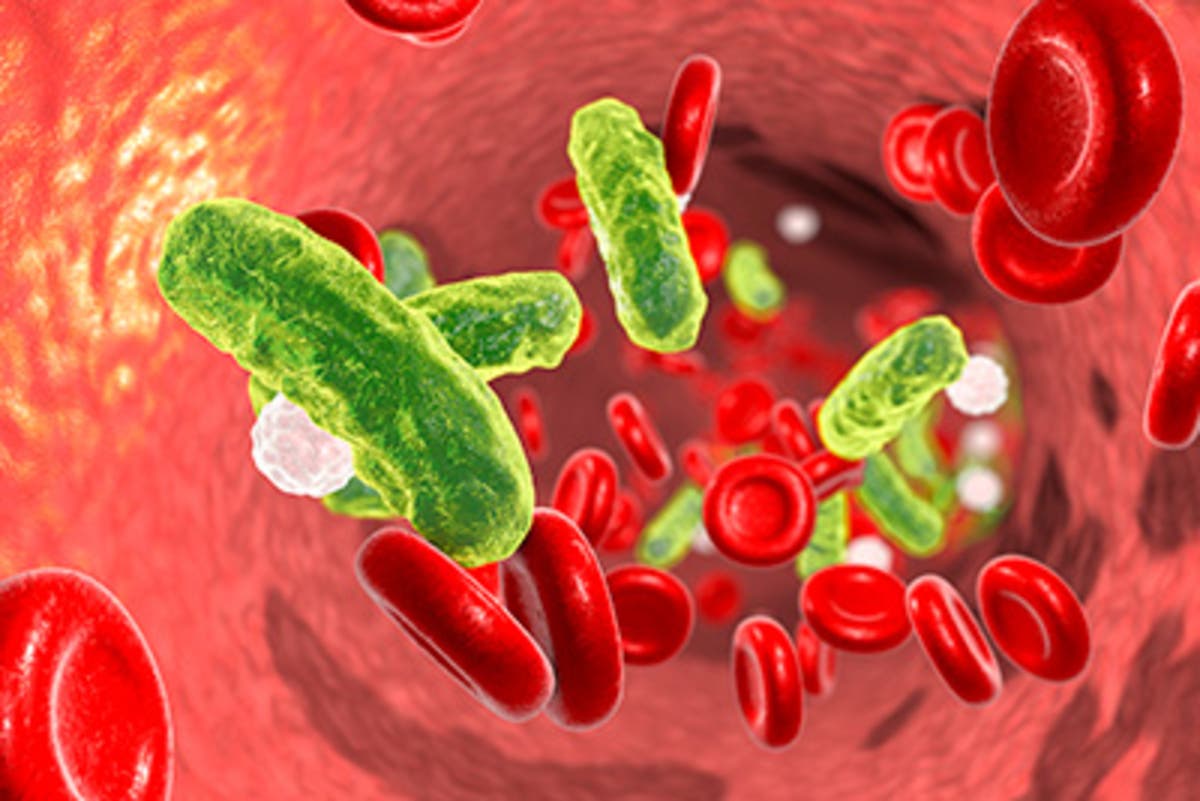
New Jersey could become one of a handful of states to require hospitals to follow strict protocols for addressing bacterial blood infections that have risen steadily in recent years. Sepsis, or blood poisoning infections, is an extreme reaction to infection that can lead to tissue damage, septic shock, organ failure and even death. For nearly one in three patients in New Jersey, the condition is fatal, according to NJ Spotlight.
The state Department of Health, without identifying specifics, has recommended changing the infection-control regulations that hospitals use to identify and treat various levels of sepsis. The rule will mandate that hospitals identify best practices and use these as a guide to develop their own systems. Public comment on the proposed rule change will be accepted through August 18.
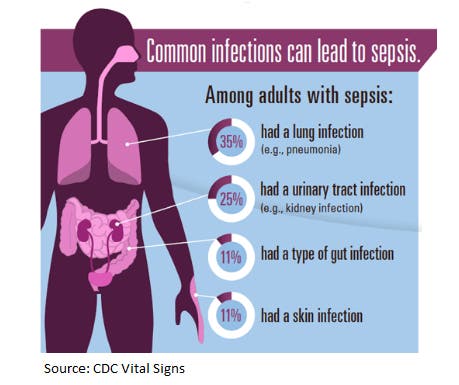
Sepsis kills nearly 2,000 Garden State residents a year and the state’s overall sepsis mortality rate has been on the rise since 2010. New Jersey’s sepsis death rate is 1.5 times that of the nationwide norm. Sepsis can result from any type of infection, but long-term damage can be avoided with proper treatment.
Find out what's happening in Morristownfor free with the latest updates from Patch.
In 2010, 16.5 per 100,000 New Jersey residents died of sepsis. That number climbed to 17.9 in 2015, according to the state Department of Health.
“While sepsis protocols have been an increasing focus of New Jersey hospitals, we know early identification and prompt treatment of sepsis is critical to survival,” Health commissioner Cathleen D. Bennett told the publication. “Every minute counts. Sepsis is treatable if addressed as a medical emergency.”
Find out what's happening in Morristownfor free with the latest updates from Patch.
On person died of sepsis after a scrape he suffered in a basketball game became infected and medical professionals failed to diagnose and treat the resulting sepsis in time.
UCLA photo
Get more local news delivered straight to your inbox. Sign up for free Patch newsletters and alerts.