Schools
Morristown Named NJ's 143rd Best High School: U.S. News
Performances on AP and IB exams and standardized tests account for 90 percent of the U.S. News & World Report rankings.


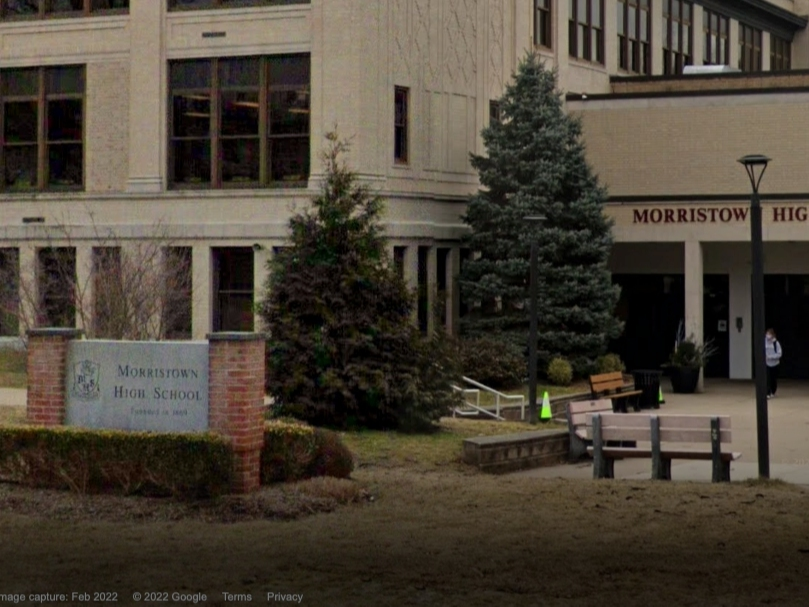
MORRISTOWN, NJ — Morristown High School is the 143rd best high school in New Jersey, according to U.S. News & World Report. The publication's new Best Public High Schools lists include nearly 24,000 schools across the nation.
Morristown High School also ranks 3,597th in the United States, according to U.S. News & World Report.
To develop the rankings, U.S. News teamed up with RTI International, a North Carolina-based nonprofit social science research firm. RTI implemented a rankings methodology meant to reflect how well high schools serve their students.
Find out what's happening in Morristownfor free with the latest updates from Patch.
Read more: These NJ High Schools Are Among 2022's Best: U.S. News
Ninety percent of the rankings incorporate performances on AP and IB exams and standardized tests, while the remaining 10 percent is the graduation rate. The rankings incorporate six categories:
Find out what's happening in Morristownfor free with the latest updates from Patch.
- college readiness (30 percent of the rankings): the percentage of 12th graders from the class of 2020 who took at least one AP or IB exam by the end of their senior year, and the percentage of 12th graders who earned a qualifying score on at least one AP or IB exam in high school.
- college curriculum breadth (10 percent): the percentage of seniors in the class of 2020 who took a wide variety of AP and IB courses across the multiple disciplines, plus the percentage of 12th graders who earned a qualifying score on them.
- state-assessment proficiency (20 percent): measures how well students scored on state assessments that measure proficiency in reading, science and math.
- state-assessment performance (20 percent): the difference between how students performed on state assessments and what U.S. News predicted based on a school's student body.
- underserved-student performance (10 percent): how well the student population receiving subsidized school lunch and Black and Hispanic populations performed on state assessments relative to statewide performance among students not in the aforementioned subgroups.
- graduation rate: the graduation rate for the class of 2020.
Read more about the methodology here.
But, U.S. News & World Report school rankings have their critics. James Fallows, a former U.S. News editor, even called them "meaningless" in an interview with NPR.
"The reason they started doing it back in the early 1980s under the guidance of a man named Mel Elfin, was because it was a brilliant business strategy," Fallows said. "By appealing to the human desire for rankings and knowing where you stand and where somebody else stands, they were able to make a very strong part of their business, which is now basically the only part of their business."
U.S. News, however, contends that the rankings help parents make better-informed decisions about their children's education.
"The goal is to provide a clear, unbiased picture," the report says, "of how well public schools serve all of their students — from the highest to lowest achieving — in preparing them to demonstrate proficiency in basic skills as well as readiness for college-level work."
Thanks for reading. Have a news tip? Email josh.bakan@patch.com. Subscribe to your local Patch newsletter and follow the Morristown Patch Facebook page.
Get more local news delivered straight to your inbox. Sign up for free Patch newsletters and alerts.