Health & Fitness
Creating a Culture of Health in Newark
Rutgers partners with community-based organizations to improve Newark's health outcomes and eliminate health disparities
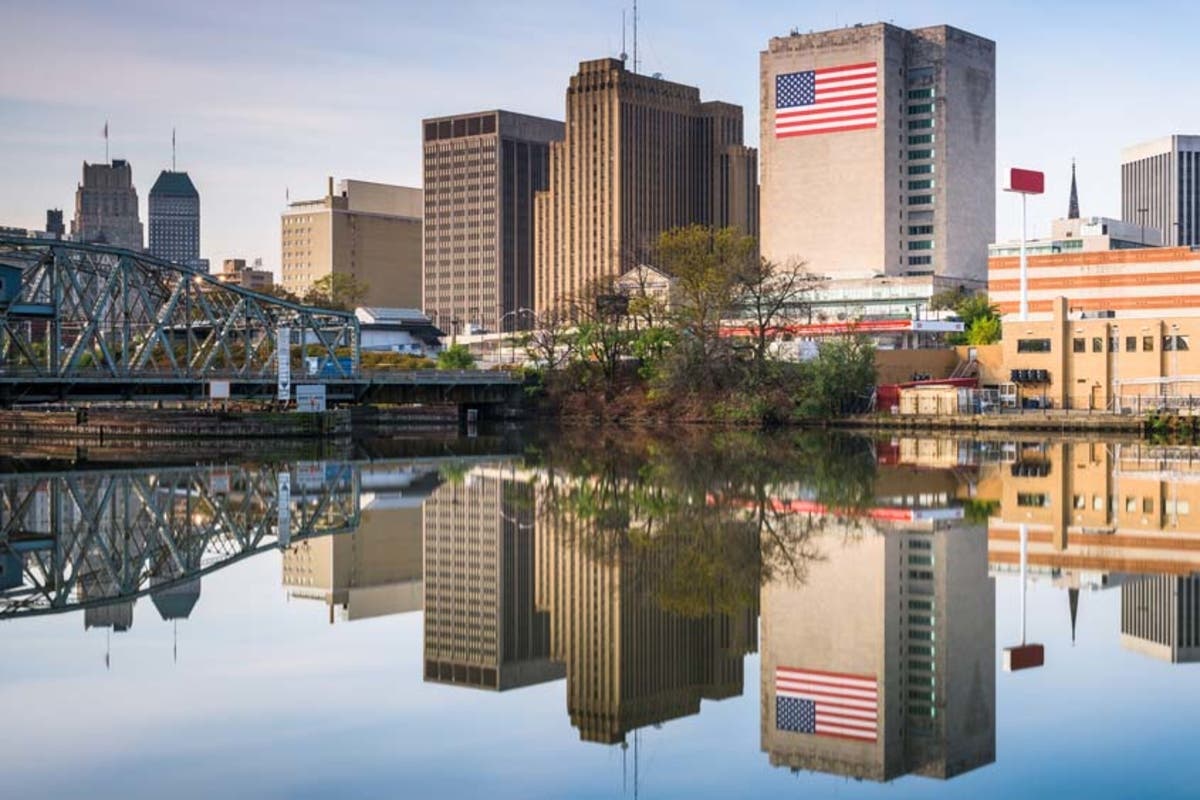
Disparities in health outcomes continue to be a significant problem in the United States. Many African-Americans, Native Americans, Hispanics and the poor die at younger ages and in greater numbers from the most common causes of death than their middle-class and white counterparts.
In order to help eliminate these disparities in death and illness, the Robert Wood Johnson Foundation launched the RWJF Building a Culture of Health program, which, along with its subsidiary, New Jersey Health Initiatives, provides funding to communities to develop projects aimed at improving health outcomes by addressing social determinants of health.
Funded by a $200,000 grant from New Jersey Health Initiatives, Denise Rodgers, Rutgers Biomedical and Health Sciences’ Vice Chancellor for Interprofessional Programs and Director of the Rutgers Urban Health and Wellness Institute, along with community-based organizations, has formed the “Believe in a Healthy Newark” coalition. Since 2015, the coalition’s Impact Teams have been bringing awareness and promising interventions to Newark, starting in its West and South wards.
Find out what's happening in Newarkfor free with the latest updates from Patch.
On September 28, the coalition hosts the first of what will be an annual “Building a Culture of Health in Newark” conference where members will discuss their work and invite community-based organizations to share their best practices in addressing social determinants. Rutgers Today spoke to Rodgers how social determinants play a role in health outcomes and how the coalition is working to identify common measures and develop common interventions.
Why is it important to address social determinants of health?
Find out what's happening in Newarkfor free with the latest updates from Patch.
Rodgers: Research has shown that social determinants account for about 40 percent of an individual’s overall health outcomes, followed by behaviors such as smoking, diet, exercise and substance use at 30 percent; clinical care at 20 percent; and physical environment at 10 percent. Social determinants are things like educational attainment, occupation, income, wealth and neighborhood safety. There is clear evidence that people who are poor, those who do not graduate from high school and those living in unsafe neighborhoods suffer a greater burden of illness and die at earlier ages.
What is being done in Newark to build a “Culture of Health?”
Rodgers: Since we received the four-year grant in 2015, the Believe in a Healthy Newark coalition has been addressing social determinants in the South and West Wards through three Impact Teams: Food and Fitness, Healthy Homes and Adverse Childhood Experiences. The coalition steering committee includes leaders from Advocates for Children of New Jersey, Greater Newark Healthcare Coalition, Greater Newark Local Initiative Support Corporation, Newark Public Schools, New Jersey Partnership for Healthy Kids, NJ Spotlight, Rutgers University–Newark, Rutgers Biomedical and Health Sciences, RWJ/Barnabas Health System, South Ward Children’s Alliance, United Way of Essex and West Hudson, the Urban League of Essex County, and the YMCA of Newark and Vicinity. By bringing together leaders from organizations that focus on housing, employment, education, advocacy for children, healthcare and higher education, we are better able to harness their expertise to address many of the issues facing residents in the two wards.
Students from Rutgers School of Public Health also have been assisting in our efforts, and we are looking to involve students from other schools as well.
What are the Impact Teams’ individual missions?
Rodgers: “Food and Fitness” seeks to prevent and reduce overweight and obesity in adults and children while increasing access to fresh fruits and vegetables. “Healthy Homes” focuses on reducing environmental exposures to lead and environmental triggers of asthma. “Adverse Childhood Experiences” trains teachers and children’s healthcare providers to be trauma-informed and understand the significant adverse health effects related to childhood trauma. Research tells us that adults who have endured six or more traumatic events in childhood have a life expectancy that is 20 years less than average. The American Academy of Pediatrics also has declared that living in poverty is in itself an adverse event for children.
How are you communicating your work to the larger Newark community?
Rodgers: During the conference, we will share our Impact Teams’ work and invite community-based organizations to share their best practices in addressing social determinants. Health care professionals, educators, elected officials, community leaders and anyone committed to improving lives in Newark are invited to attend to learn about local initiatives, participate in the discussion and create partnerships to advance a culture of health. The conference results will be shared on our website. The coalition also will sponsor community-based forums in the South and West wards in the fall and spring to share our work with community residents and get their ideas on how we can address key problems that plague their neighborhoods.
The “Building a Culture of Health in Newark” conference is free, but space is limited. Find out more and register here.