Community Corner
Know the Warning Signs: How to Spot Utility Scams
On Utility Scam Awareness Day, PSE&G shares simple steps customers can take to recognize and avoid scams
This is a paid post contributed by a Patch Community Partner. The views expressed in this post are the author's own, and the information presented has not been verified by Patch.
On Utility Scam Awareness Day, PSE&G is reminding customers to stay alert, trust their instincts and take a moment to verify any unexpected request for payment or personal information.
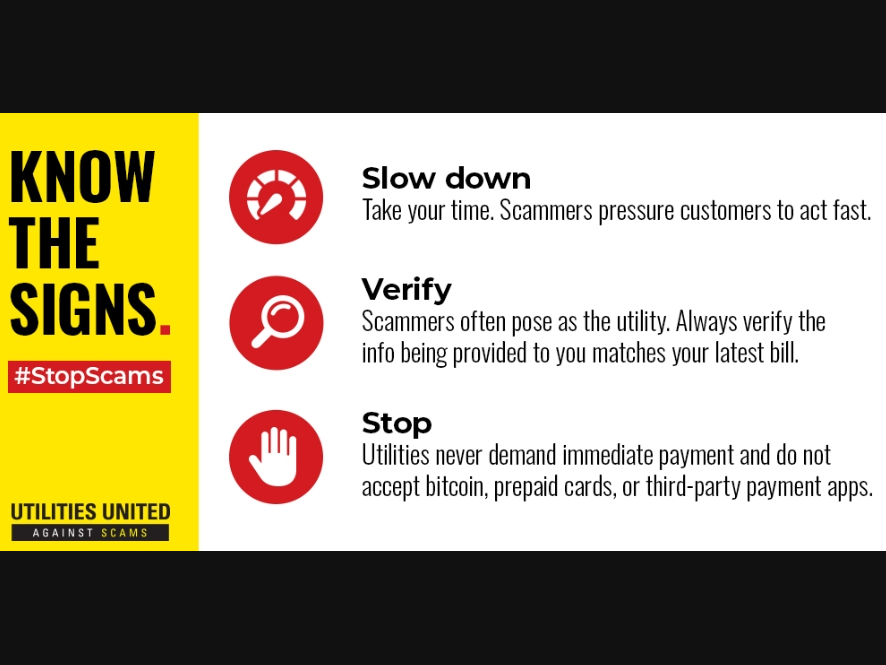
Utility scams can take many forms, but they often rely on the same tactic: creating a sense of urgency so customers feel pressured to act quickly. A scammer may claim a bill is overdue, threaten to disconnect electric or gas service, or insist that an immediate payment is the only way to avoid shutoff. As scam tactics continue to evolve, knowing the warning signs — and taking time to verify who is contacting you — can help customers stay safe. One of the easiest ways for customers to protect themselves: Slow down. Verify. Stop the scam.
“Safety is our number one value at PSE&G, and that includes helping protect our customers from scams,” said Dave Johnson, PSE&G senior vice president, chief customer experience officer. “If someone contacts you unexpectedly and pressures you to share your account information or make an immediate payment, take a moment before you act. If something doesn’t feel right, end the conversation and contact PSE&G through a channel you know and trust. That step can prevent you from becoming a victim of a scam.”
The scale of impersonation fraud continues to grow. According to the Federal Trade Commission, consumers reported losing nearly $3.5 billion to imposter scams in 2025, nearly three times the amount reported in 2020.
Know the Warning Signs
Scammers may:
- Create urgency or fear. Scammers want customers to react quickly before they have an opportunity to verify the request.
- Threaten immediate disconnection. A scammer may claim your electric or gas service will be shut off within minutes or hours unless you pay immediately.
- Demand a specific form of payment. Scammers may ask for gift cards, cryptocurrency, wire transfers or other difficult-to-recover forms of payment.
- Spoof trusted information. Caller ID, email addresses and other information can be manipulated to make a communication appear to come from PSE&G.
- Use AI-assisted scams and fraudulent contact information: Scammers are posting fake phone numbers and payment information online, so they appear in internet searches and AI-generated responses. Customers who use this information may unknowingly contact a scammer instead of PSE&G.
- Ask for personal or financial information. Be cautious about providing account PSE&G account information, banking information, or other sensitive information in response to an unsolicited contact.
Slow Down. Verify. Stop the Scam.
If someone contacts you claiming to represent PSE&G and something doesn’t seem right:
- Slow down. Don’t let threats or urgency pressure you into acting immediately.
- Verify. End the communication and contact PSE&G directly at 1-800-436-PSEG (7734) or through a trusted PSE&G channel. Do not use a phone number or link provided by the person contacting you. Verify before you trust AI-generated information: If you use an AI tool, search engine or social media site to find PSE&G contact information, visit PSE&G's website, use the PSE&G mobile app, or check your bill to confirm the correct phone number before making a payment or providing personal information.
- Stop the scam. Never make a payment using gift cards, wire transfers or cryptocurrency at the direction of someone claiming to represent PSE&G. PSE&G does not accept these forms of payment.
PSE&G will never threaten customers or demand an immediate payment of a specific type to prevent electric or gas service from being disconnected. Customers have multiple secure ways to manage their accounts and make payments, including through PSE&G’s website and mobile app, by phone, mail or at a customer service center.
Customers who are having difficulty paying their energy bills should also know that help is available. Visit pseg.com/help to learn about payment assistance programs and flexible payment options.
Help Protect Others
Customers can help protect family members, friends, neighbors and local businesses by sharing the warning signs and encouraging them to verify unexpected requests before sending money or providing personal information.
Safety is our number one value at PSE&G, and that includes helping protect our customers from scams. For more information about identifying and avoiding utility scams, visit pseg.com/scamalert.
This post is an advertorial piece contributed by a Patch Community Partner, a local brand partner. To learn more, click here.