Politics & Government
Newark Making $23M Upgrade To Pequannock Water Treatment Plant
New Jersey's largest city has come a long way when it comes to cleaning up its drinking water. And it isn't done yet, Newark officials say.


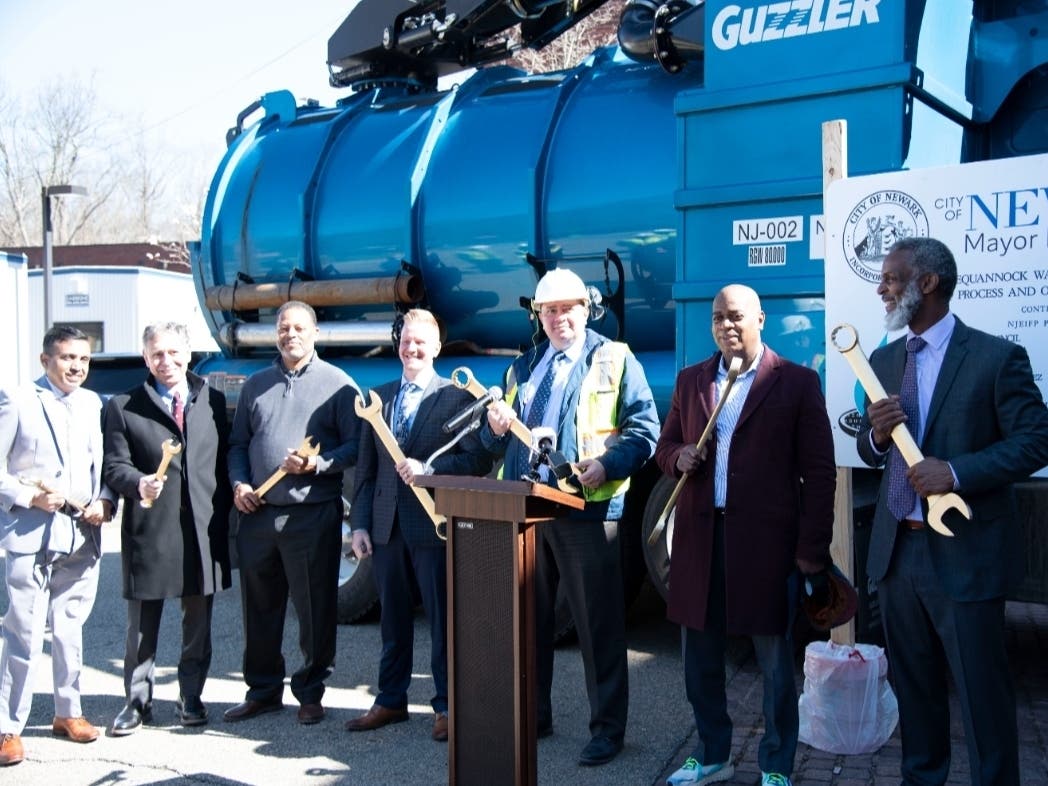
NEWARK, NJ — New Jersey’s largest city has come a long way when it comes to cleaning up its drinking water. And it isn’t done yet, Newark officials say.
On Monday, Newark launched $23 million in new upgrades at the Pequannock Water Treatment Plant. The city-managed plant is located at 2224 Paterson-Hamburg Turnpike in West Milford. It treats water that is piped to Newark residents and businesses, as well as several nearby towns that purchase water from the city.
When completed, the new system will improve overall water quality and increase the plant’s processing capacity from 35 to 60 million gallons per day, Newark officials said.
Find out what's happening in Newarkfor free with the latest updates from Patch.
The upgrades are being financed by New Jersey Infrastructure Bank Program low-interest loan financing, designed by Kleinfelder Inc. and constructed by Spectraserv.
“We have five outdoor reservoirs that store 14 billion gallons of water,” said Kareem Adeem, director of the Department of Water and Sewer Utilities. “These new systems will help us draw and purify that water with greater speed and efficiency.”
Find out what's happening in Newarkfor free with the latest updates from Patch.
Article continues below
NEWARK'S FIGHT AGAINST LEAD WATER
Three years ago, Newark made national headlines when it confronted a lead water crisis. At one point, the lead levels at some points in the city's drinking water had risen to 47 parts per billion at some sites, more than three times the federal threshold. It prompted an outcry from residents – and a lawsuit from advocates.
Newark eventually identified two sources of the contamination. One was the way the city treated its water, which allowed excess corrosion to take place in aging pipes. The city responded by rolling out a new method of treating its water, which is also sold to several nearby towns and cities in Essex County, including Belleville, Bloomfield, East Orange and Nutley.
The second issue wasn't as quick of a fix, however.
Newark officials traced some of the contamination to lead-lined service pipes leading to thousands of local homes. The pipes – which connect local homes and businesses to the local water supply – can potentially leach contamination as water passes through them. A portion of the pipes may be privately owned, complicating efforts to replace them.
With the aid of state and county financial assistance, Newark has since replaced almost 23,000 lead service pipes within three years – significantly ahead of the 10 years it was expected to take.
Normally the work can cost thousands of dollars, but Newark offered it at no cost for residents through a municipal replacement program. There were no tax increases or water rate hikes as a result, city officials say.
In July 2021, Newark Mayor Ras Baraka announced that the average lead levels in Newark water fell "well below the federal benchmark for acceptable levels" for the third straight reporting period – a huge turning point in its battle against lead contamination.
- Read More: Newark's Lead Water Crisis Has 'Effectively Ended,' Mayor Says
- Read More: Newark Turns Page On Lead Water Crisis; Lawsuit Settled
Newark’s recent milestones have been getting national attention from federal officials and boards.
In February, Newark caught the eye of Vice President Kamala Harris, who came to the Garden State to praise the city for its battle against lead water contamination. Read More: Lead Pipes And Newark: Kamala Harris Returns To NJ To Praise City
Earlier this month, Mayor Baraka testified before the Senate Subcommittee on Fisheries, Water, and Wildlife in Washington D.C. about Newark’s progress, holding the city up as a “national model.”
“Newark’s Lead Service Line project is unprecedented in terms of scope and speed and has protected the health and wellness of the residents of Newark as well as portions of neighboring cities that we service,” Baraka said.
“This project helped protect the health and wellness of our residents and provided 500 good-paying local jobs,” he continued. “Workers on the project worked tirelessly to get this accomplished (even through the pandemic) to help safely complete the project. We identified affirmative action goals to establish fair access to employment opportunities and created a program designed to reflect the demographics of the city.”
Baraka also discussed best practices learned from the project, its funding, addressing lead in schools, and supporting the needs of low-income water customers. To view the mayor’s entire testimony, including the questions he answered, click here.
- See related article: Other New Jersey Towns Can Learn From Newark's Lead Pipe Project
- See related article: NJ Is Replacing Its Lead Water Pipes – All Of Them
- See related article: Newark Isn't Only NJ City At Risk Of Lead Water, Map Shows
Send local news tips and correction requests to eric.kiefer@patch.com
Sign up for Patch email newsletters. Learn more about posting announcements or events to your local Patch site. Don’t forget to visit the Patch Newark Facebook page.
Get more local news delivered straight to your inbox. Sign up for free Patch newsletters and alerts.