Politics & Government
Newark Officials Reveal Crime Fighting Plan: 'Operation Forge Ahead'
What are Newark city officials planning to do about crime and violence in the city? Find out here.


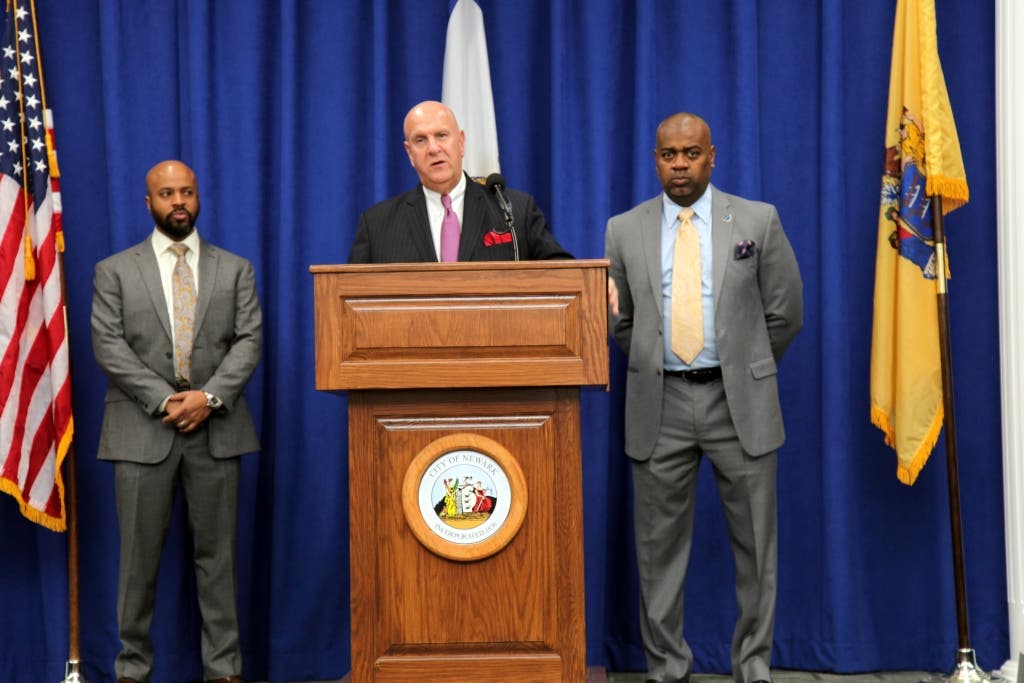
Newark, NJ – What are Newark city officials planning to do about crime and violence in the city?
“Forge ahead.”
During a press conference on Wednesday, Mayor Ras Baraka, Public Safety Director Anthony Ambrose, incoming Police Chief Darnell Henry and members of the Newark Municipal Council revealed the details of a 45-day plan to combat violence in the city.
Find out what's happening in Newarkfor free with the latest updates from Patch.
Dubbed “Operation Forge Ahead,” the plan will focus on two central issues, according to city administrators:
- Reorganize the city’s public safety activities to make them more effective and efficient
- Increase citizen involvement with law enforcement to restore trust, improve community/police communication, and make the public a stronger source of intelligence about crime and violence
The announcement was particularly relevant considering the wave of homicides that has hit the city over the past weeks.
Find out what's happening in Newarkfor free with the latest updates from Patch.
- See related article: Newark Sees Rash Of Slayings: Fatal Shooting On 18th Street
- See related article: Man Allegedly Shot Newark Mom Just Steps From Her Kids
According to a city news release, the nine-point plan calls for the following initiatives:
1. Unify the command staffs of police, fire and emergency management from the Public Safety Building at 480 Clinton Avenue in the South Ward. This will make manpower staffing more efficient, and add more police officers to street patrols, in addition to the hiring of 150 new police officers authorized by Mayor Baraka for 2016.
2. Strengthen and expand the Police Major Crimes Unit. This unit investigates shootings, and its numbers will be increased with additional manpower obtained from county and state partners. This is a major response to the 378 people shot in Newark last year.
3. Gather better intelligence on gangs and narcotics. The Major Crimes Unit will add two components: a gang and narcotics unit and a 21st-century intelligence component, to target drug dealers and dismantle their operations, in the same way that U.S. Joint Terrorism Task Forces target potential terrorists before they can strike, thus attacking crime at its core.
4. Target high-crime areas for coordinated response by public safety, health, sanitation, code enforcement, and other City agencies. The new Department of Safety will coordinate the response of other city agencies to crime, violence and the many other serious problems that exist on high crime blocks. Using the combined enforcement powers of multiple agencies Newark will target dangerous locations throughout the city. This will reduce crime and improve the quality of life in Newark’s most deteriorated neighborhoods, the areas that incubate the city’s most serious crimes and fires.
5. Assess police and fire communications to reduce response times, as well as unifying 911 calls and response, and improve internal operational communication between the Police and Fire Divisions.
6. Reorganize the Police Internal Affairs unit, which will be led by an independent civilian who is also an attorney with a reputation for fairness. The Internal Affairs Unit will move from a police facility to a centrally located off-site building where it can operate independently and be easily accessed by citizens. The Internal Affairs Units of most other cities have usually been located in a police facility, discouraging citizens from reporting police wrongdoing.
7. Hold Community Comstat meetings to better inform citizens about reducing crime and violence in their neighborhoods. The Police Division will hold its first “Community COMSTATs” which will be open to the public. (COMSTAT is Newark’s version of COMPSTAT, the computer system used by many cities to track the location of crimes and make decisions about deploying police resources) These meetings in each ward will eliminate some of the confusion and misunderstanding about police activities. At these meetings, residents will be able to witness how the department operates on a daily basis and learn how to hold commanders accountable for their decisions. They will be given access to updated block-by-block information about crime and violence in their neighborhoods and what the police are doing to reduce it, the same information used by police in targeting crime and developing strategies to reduce it. They will witness how, why, and what actions are being taken to reduce crime and address quality of life issues in their neighborhood and to make suggestions for improving policing. The community COMSTAT will be another way the PD will implement transparency showing city residents how we track crime and quality of life complaints in the city.
8. Conduct Citizen Surveys on police performance to improve effectiveness. In another first, the Police Department will poll citizens’ opinions about the department and its officers utilizing citizen satisfaction surveys. The police will randomly contact those who have reported crimes. Using feedback from the surveys, the department will gather information about factors such as an officer’s demeanor, the level of professionalism, appearance and the level of cooperation. We will use this information to improve training and take corrective action.
9. Hold a Public Safety Academy to train residents on how to get involved in making their neighborhoods safer. The City will also host its first Public Safety Academy. Citizens will be to attend a course where they will learn the basics about police, fire and emergency management and how they operate. The course will include demonstrations, tours and firearms training. Participants will be solicited through community groups and faith based groups although all residents will be encouraged to attend.
Sign up for Patch email newsletters here.
Photo by the City of Newark Press Office
Get more local news delivered straight to your inbox. Sign up for free Patch newsletters and alerts.