Politics & Government
Protesters March Against Power Plants In Newark, Kearny
Environmentalists are urging Gov. Phil Murphy to keep his campaign promises and put the brakes on two proposed power plants in North Jersey.


NEW JERSEY — New Jersey has a powerful new environmental law that can stop potential polluters from building or expanding facilities in “overburdened communities.” And it needs to be put to use to halt two proposed power plants that may come to the northern part of the state, protesters say.
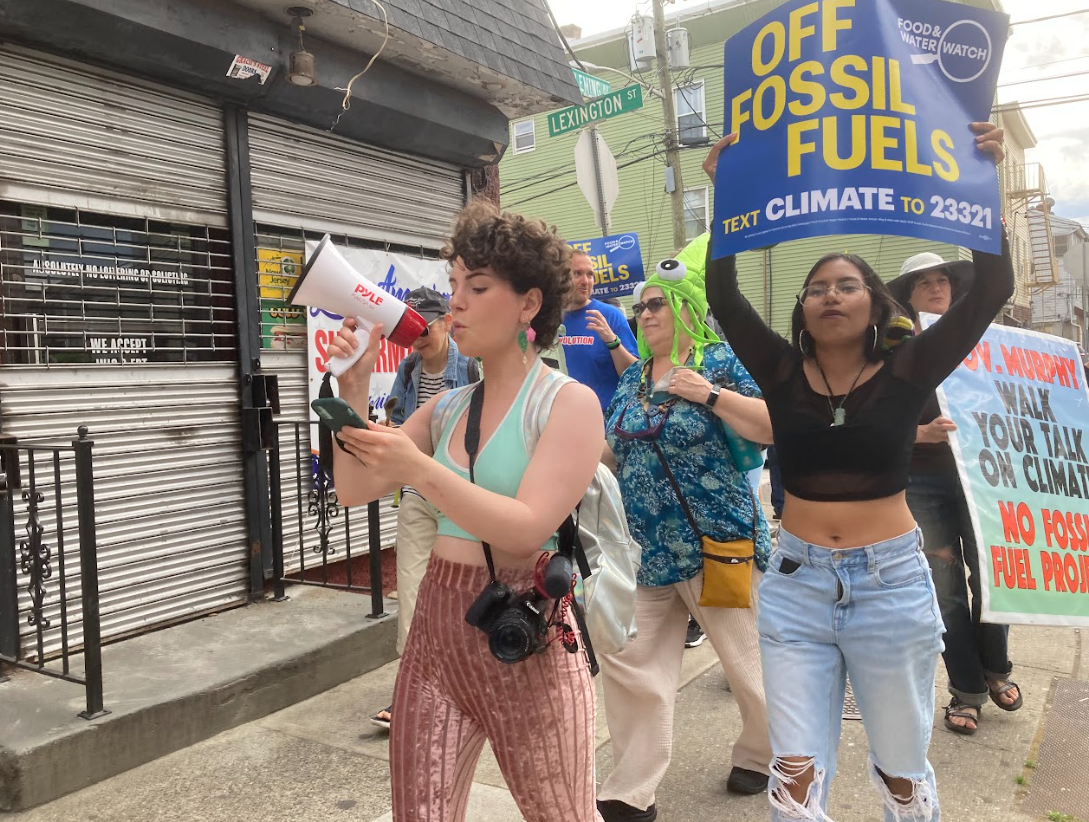
On Monday, environmentalists from across the state gathered for a rally and march in Newark. The protest was part of the “Our Planet Our Future” week of actions organized by Empower NJ, a coalition of more than 135 faith and social justice organizations dedicated to “ending the expansion of fossil fuel projects in New Jersey” and supporting clean, renewable energy sources.
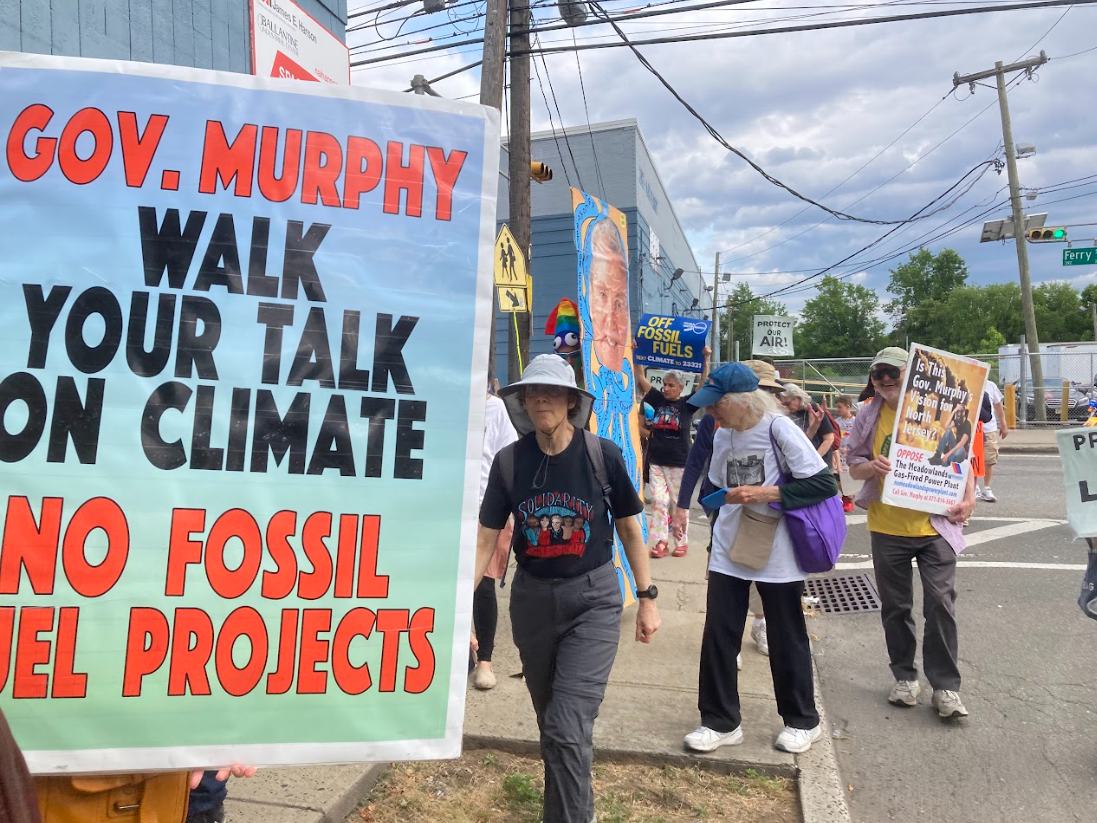
Holding signs that read “Off Fossil Fuels” and “Gov. [Phil] Murphy: Walk Your Talk on Climate” – protesters demanded that the governor put the brakes on two proposed projects: one in Newark and the other in Kearny.
Find out what's happening in Newarkfor free with the latest updates from Patch.
According to a statement from organizers:
“NJ Transit is considering a plan to build a new gas plant in the Kearny Meadowlands in the middle of pollution-overburdened communities in East Essex and Hudson counties. The plant is part of the TRANSITGRID project to provide backup power to trains, and would also run 24/7 to sell power into the grid.”
Meanwhile, the Passaic Valley Sewerage Commission (PVSC) want to build a natural gas power plant at its existing wastewater treatment facility at 600 Wilson Avenue. The long-running proposal is part of a resiliency blueprint that sprang up in the aftermath of Hurricane Sandy.
Find out what's happening in Newarkfor free with the latest updates from Patch.
- See Related: Activists Keep Up Blitz Against Proposed Power Plant In Newark
- See Related: Sewerage Commission Defends Newark Power Plant Proposal, Cites Sandy
Both proposals would be located in areas that are already “overburdened” with pollution, advocates say.
Gov. Murphy made the environment a major part of his platform during both of his gubernatorial campaigns. Read More: NJ To Require All-Electric Cars, 100% Clean Energy By 2035
In 2020, Murphy signed one of the strongest environmental justice laws in the nation, which makes it harder for the owners of major sources of air pollution to build a new facility, expand an old one, or renew an existing permit in areas that are considered “overburdened.” Read More: NJ Law Gives Urban Areas A Powerful Tool To Fight Polluters
To qualify, a neighborhood needs to have 35 percent low-income households, 40 percent minority households or 40 percent of households with limited English language proficiency. According to the New Jersey Department of Environmental Protection, about 348 municipalities have overburdened communities within their borders, and the law impacts 4.6 million people in New Jersey. Read More: New DEP Rule Would Protect Already Polluted NJ Communities
Now, the governor needs to “walk the walk” when it comes to his campaign promises, advocates charge.
“Residents in Newark and the surrounding region have suffered the disproportionate impact of toxic air pollution from fossil fuel plants, dozens of heavy industry facilities, the state’s largest trash incinerator, and numerous shipping and transport routes for decades,” said Chloe Desir, an organizer with the nonprofit Ironbound Community Corporation.
“It’s unconscionable that the Passaic Valley Sewerage Commission is even considering building a new gas plant at their sewage treatment facility in the Ironbound,” Desir added. “This would be the fourth dirty gas plant in Newark and flies in the face of our state’s landmark environmental justice law.”
Wynnie-Fred Victor Hinds, a member of the Newark Environmental Commission and executive director of Newark’s Weequahic Park Association, pointed out that the Newark City Council and the Essex County Board of Commissioners have signed resolutions against the proposed plant. In addition, Mayor Ras Baraka and more than a dozen other elected officials have thrown their support behind the protesters.
“Environmental justice is not a thing of the past,” said Kim Gaddy, the South Ward Environmental Alliance’s executive director and Clean Water Action’s national environmental justice director.
“Even with the nation’s strongest environmental justice law, all three proposed dirty gas plants right here in Newark, just across the river in Kearny and in Woodbridge, and five of New Jersey’s seven pending major fossil projects are in overburdened communities,” Gaddy said.
Steph Martinez, a North Bergen resident and organizer with North Bergen Earth Talks, said that NJ Transit’s proposed plant in Kearny would be a bad deal for nearby communities in Hudson County.
Martinez urged the governor to intervene in North Jersey.
“It’s past time for him to live up to his climate and environmental justice commitments and direct our own state agencies to instead invest in sustainable, clean, green, renewable options,” Martinez said.
Matt Smith, the New Jersey director of Food & Water Watch, said activists have been rallying across the state over the past week to put pressure on Murphy to stick by his campaign pledges.
“These projects put the health and safety of our most vulnerable residents at risk, and undermine the governor’s own climate and clean energy commitments by deepening our dirty energy dependency,” Smith said.
Send local news tips and correction requests to eric.kiefer@patch.com. Learn more about advertising on Patch here. Find out how to post announcements or events to your local Patch site.
Get more local news delivered straight to your inbox. Sign up for free Patch newsletters and alerts.