Health & Fitness
$2M Grant Expands Social Media Intervention to Reduce Skin Cancer
Rutgers Cancer Institute of New Jersey researcher targets young melanoma survivors and families.

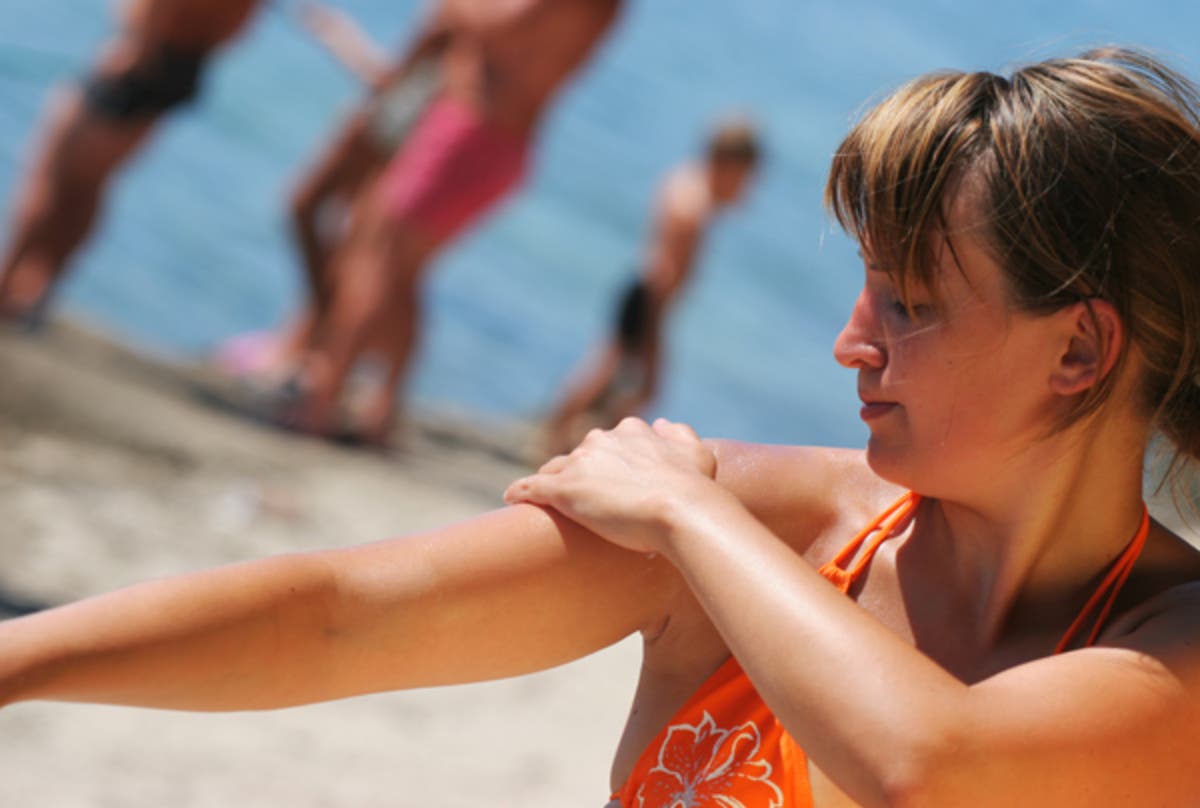
New Brunswick, N.J., November 28, 2018 – A five-year, $2,074,932 grant (R01CA221854-01A1) from the National Cancer Institute (NCI) awarded to Rutgers Cancer Institute of New Jersey Associate Director for Cancer Prevention, Control and Population Research Sharon L. Manne, PhD, will support the expansion of a behavioral intervention delivered through the social media site Facebook. The aim is to improve skin exams and sun protective behaviors among young melanoma survivors and their families.
“According to the Skin Cancer Foundation, the risk of developing melanoma is more than six times higher among young adults than it was 40 years ago. Melanoma is the most common malignancy for young adults aged 25 to 29 and the second most common malignancy among persons 15 to 29. Having a first-degree relative (parent, sibling or child) with melanoma more than doubles the relative’s own melanoma risk. Therefore, the population of family members at elevated risk is also growing at an increasing rate,” notes Dr. Manne, who is also a professor of medicine at Rutgers Robert Wood Johnson Medical School.
As a group, young onset melanoma survivors have been identified by the NCI as a unique and growing population. They are at higher relative risk for a second malignancy than adults diagnosed with cancer over age 39. First-degree relatives of young melanoma patients are at increased risk for melanoma (Lee, J. S., et al., Cancer, 2016). It is recommended that melanoma patients and their first-degree relatives engage in regular total skin exams, comprehensive skin self-examinations, and sun protection.
Find out what's happening in New Brunswickfor free with the latest updates from Patch.
“Research has shown that despite their increased risk, these first-degree relatives pay little attention to sun protection and skin surveillance behaviors. Although the vast majority of young onset melanoma patients engage in regular total skin exams, many do not engage in regular self-exams or sun protection,” adds Manne. With little intervention research targeting the unique and growing population of young onset patients and their family members, Manne’s group hopes to shed additional light on the topic.
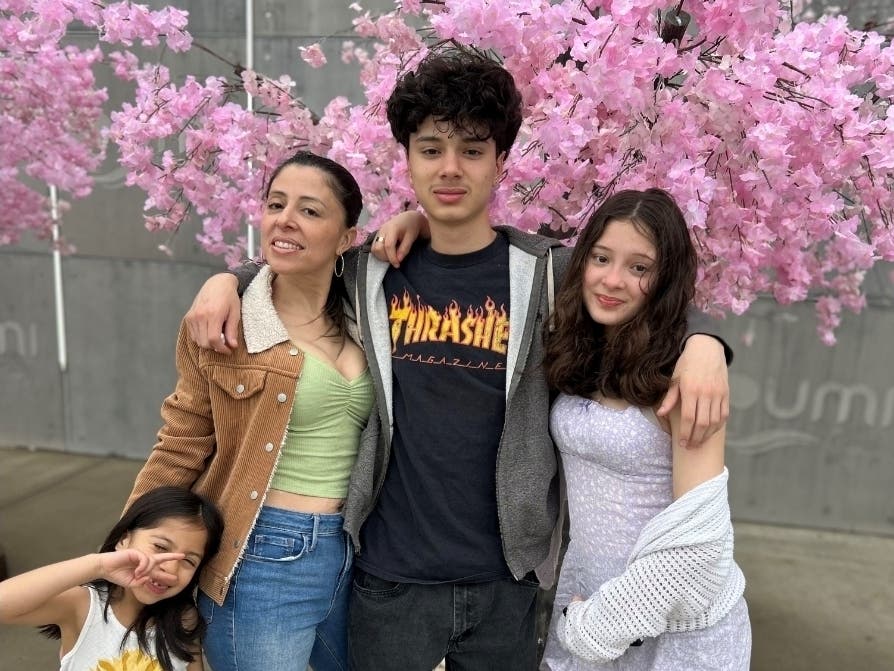
The intervention will examine the impact of two types of private Facebook groups. One group will receive education about skin cancer and recommended sun protection, skin self-checks, and physician skin exams, along with working on improving these behaviors by setting goals and providing both group and family support. The other group will receive general health and wellness information. Nearly 600 young melanoma survivors and nearly 600 of their first-degree relatives will be randomly assigned to one of these two groups. Manne and colleagues aim to show that a closed social media platform is an effective tool to increase sun protection, skin self-checks, and physician skin exams among young skin cancer survivors and their family members.
Find out what's happening in New Brunswickfor free with the latest updates from Patch.
The award period runs through May 2023.
###