Health & Fitness
As 988 Demand Rises, Rutgers Remains at the Center of New Jersey’s Crisis Response
Getting to zero suicides in the state will require sustainable funding sources and a commitment to always put clients first
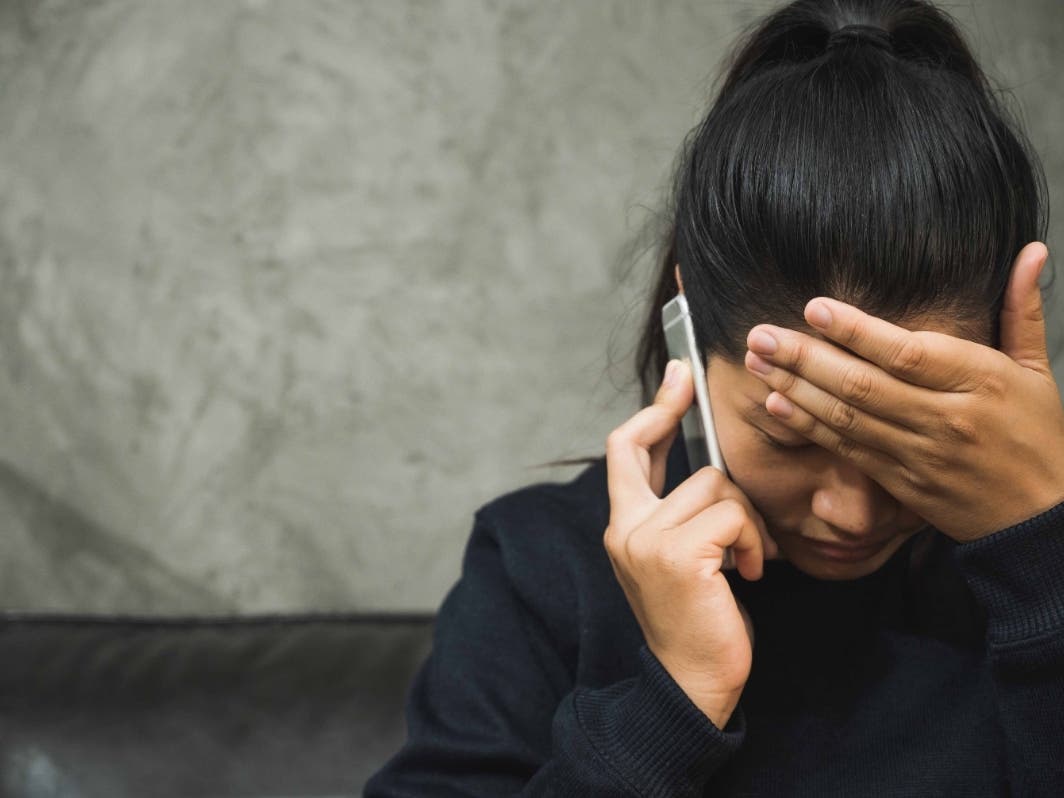
With one of the nation’s lowest rates of suicide, New Jersey has long been a leader in providing crisis support and services to individuals and families in distress.
But a recent uptick in self-harm, coupled with fresh budget uncertainties, has prompted leaders at Rutgers Health University Behavioral Health Care to ask: How do we continue to make progress toward the aspirational goal of zero suicides?
The answer, said William Zimmermann, director of crisis services at the mental health and addiction services provider’s National Call Center, is to listen more and continue to make use of evidence-based practices.
Find out what's happening in New Brunswickfor free with the latest updates from Patch.
“If you're going to work on a suicide prevention crisis line, you're going to want to adhere to best practices, as supported in the literature,” Zimmermann said. “We always put the client’s needs first.”
For more than a decade, Rutgers’ call center staff has listened intently, first as administrators of the NJ Hopeline and, since July 2022, as providers of New Jersey’s 988, a free, 3-digit number for mental health, substance use and suicide crises.
Find out what's happening in New Brunswickfor free with the latest updates from Patch.
Of the state’s four centers that can respond to 988 (the three others are Caring Contact, Contact of Mercer County and the Mental Health Association in New Jersey) only Rutgers provides service 24 hours a day, 365 days a year.
“New Jersey has always been a leader in supporting people in crises,” said Gen. Mark Graham, executive director of the National Call Center at University Behavioral Health Care. “Rutgers has been right there since the beginning.”
When someone calls, texts or sends a chat to 988, a national network responds. Calls are routed based on the callers’ area code. When a states’ call center capacity is reached, a network of national backup centers takes over. Rutgers’ center, which handles New Jersey’s traffic, is one of those national backup providers.
A critical strength of the 988 system, said Frank A. Ghinassi, the president and chief executive officer of University Behavioral Health Care, is the connectivity to in-person services. Crisis cases are referred to mobile field units, while people with non-life-threatening needs can access a network of community-based crisis stabilization centers. These are short-term drop-in health care facilities designed to be less stressful and more environmentally therapeutic than traditional emergency rooms.
Medium-term care is also available in every county through state grant-supported early intervention support services, which provide up to 30 days of intensive outpatient clinical care for adults who are experiencing significant emotional or psychiatric distress.
“Rutgers is an important provider of this coordinated web of responses,” said Ghinassi.
Evidence supports this approach. An April research letter published in the Journal of the American Medical Association by clinicians at Harvard Medical School found that since the nationwide launch of the 988 suicide and crisis line, suicides among adolescents and young adults had dropped by 11%. The biggest reductions were in states with the highest uptake of 988 services, the clinicians found.
At Rutgers’ call center, traffic is constant. Between July 2022 and April 2026, the number of calls answered in New Jersey more than doubled, to about 8,000 monthly, said Zimmermann, who has worked at the line since inception. While there have been periods of call volume plateau, he said, “it never goes back down.”
Addressing this demand takes time, patience and clinical staff. Rutgers’ 988 line employs more than 150 providers to answer calls, texts and chats. During peak times – between 6 p.m. and 3 a.m. – as many as 30 staff are on duty. On average, employees handle a dozen calls, texts or chat sessions during an eight-hour shift.
The biggest challenge, said Ghinassi, is sustainable funding streams. Even though the number of suicides increased by 6.6% between 2020 and 2023 – from 679 to 724 – New Jersey doesn’t have a permanent source of funding to pay for the services that Rutgers provides. Every year, mental health advocates and university leaders lobby lawmakers in Trenton, N.J., for additional funding to be included in the state’s annual budget.
This year, that request is facing hurdles. Legislation to add a 40-cent fee to state telephone bills to pay for the suicide and crisis line has stalled in committee. Gaps also have emerged in funding for newly established crisis stabilization centers located across the state.
Zimmermann is acutely aware of the funding concerns. Navigating staff compensation adjustments and increased operating costs are his responsibility. But what matters most, he said, is what callers need from the 988 line, and how he and his staff can meet those urgent needs.