Neighbor News
Aortic Diseases in Cardiology: Causes, Consequences, and Care
Aortic diseases affect the body's main artery, risking rupture or dissection; early detection, monitoring, and care are vital for survival.

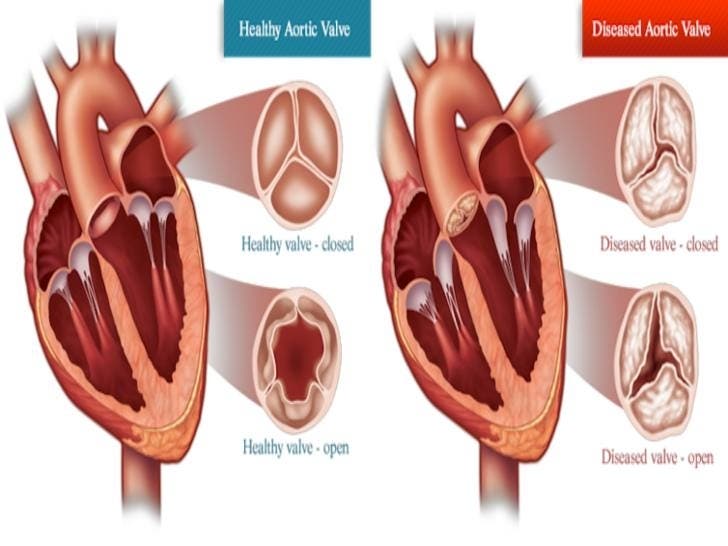
The aorta is the largest and most vital artery in the human body, carrying oxygen-rich blood from the heart to every major organ. Because of its central role, any disease affecting the aorta can have serious and sometimes life-threatening consequences. In cardiology aortic diseases represent a critical group of conditions that require early recognition, careful monitoring, and appropriate treatment. Understanding their causes, consequences, and care options is essential for both healthcare professionals and patients.
Understanding Aortic Diseases
Aortic diseases refer to a range of conditions that affect the structure or function of the aorta. The most common types include aortic aneurysm, aortic dissection, aortic coarctation, and aortic atherosclerosis. These conditions may develop silently over time or present suddenly as medical emergencies.
An aortic aneurysm occurs when a section of the aortic wall weakens and bulges outward. If left untreated, it may rupture, causing severe internal bleeding. An aortic dissection is a tear in the inner layer of the aorta, allowing blood to flow between layers of the vessel wall—this is a rapidly fatal condition without immediate intervention. Coarctation of the aorta is a congenital narrowing of the vessel, often diagnosed in childhood but sometimes discovered in adults. Meanwhile, atherosclerosis of the aorta involves plaque buildup that stiffens the artery and restricts blood flow.
Find out what's happening in New Brunswickfor free with the latest updates from Patch.
Causes and Risk Factors
The causes of aortic diseases are multifactorial, involving both genetic and lifestyle-related factors. High blood pressure (hypertension) is one of the leading contributors, as it places constant stress on the aortic wall. Over time, this pressure can weaken the vessel, increasing the risk of aneurysm or dissection.
Aging also plays a significant role. As people grow older, the aorta naturally loses elasticity, making it more vulnerable to damage. Smoking is another major risk factor, accelerating vascular degeneration and increasing the likelihood of aneurysm formation. Additionally, high cholesterol levels, diabetes, and obesity contribute to atherosclerosis, further compromising aortic health.
Find out what's happening in New Brunswickfor free with the latest updates from Patch.
Some individuals are predisposed due to genetic conditions such as Marfan syndrome, Ehlers-Danlos syndrome, or bicuspid aortic valve disease. These disorders affect connective tissue strength, making the aorta more fragile. Infections, inflammatory diseases, and traumatic injuries—such as those sustained in severe accidents—can also damage the aorta.
Consequences and Complications
The consequences of untreated aortic disease can be devastating. A ruptured aortic aneurysm or acute dissection often leads to sudden death if emergency care is not provided immediately. Even when not immediately fatal, these conditions can result in heart failure, stroke, organ damage, or chronic pain.
Chronic aortic narrowing or stiffness forces the heart to work harder, potentially leading to left ventricular hypertrophy and long-term cardiac dysfunction. Reduced blood flow to vital organs may impair kidney function, digestive health, or circulation to the limbs. Beyond physical effects, the psychological burden of living with an aortic condition—especially one requiring lifelong monitoring—can significantly impact a patient’s quality of life.
Diagnosis and Monitoring
Early diagnosis is crucial in preventing complications. Many aortic diseases are detected through imaging studies such as echocardiography, CT scans, or MRI. These tools allow cardiologists to assess the size, shape, and integrity of the aorta with precision. In some cases, routine screening is recommended for high-risk individuals, particularly older adults with a history of smoking or a family history of aneurysm.
Once diagnosed, regular monitoring is essential. Small aneurysms may not require immediate intervention but must be closely observed for changes in size or symptoms.
Care and Treatment Approaches
The management of aortic diseases depends on the type, severity, and progression of the condition. Medical management focuses on controlling risk factors—lowering blood pressure, managing cholesterol, and encouraging smoking cessation. Medications such as beta-blockers and antihypertensives help reduce stress on the aortic wall.
When the risk of rupture or complications becomes significant, surgical intervention may be necessary. Traditional open surgery involves replacing the damaged portion of the aorta with a synthetic graft. In recent years, endovascular procedures have become more common, offering less invasive options with shorter recovery times. At Liv Hospital, these procedures are performed with advanced imaging and surgical techniques to ensure optimal patient outcomes.
Lifestyle changes are a cornerstone of long-term care. A heart-healthy diet, regular moderate exercise, stress management, and adherence to medical advice can dramatically improve outcomes. Patient education and follow-up play a key role in preventing recurrence and complications.
Conclusion
Aortic diseases are among the most serious conditions encountered in cardiology, yet many are manageable with early detection and proper care. By understanding their causes, recognizing potential consequences, and committing to appropriate treatment and lifestyle changes, patients can significantly reduce their risks. Advances in diagnostic tools and treatment strategies continue to improve survival and quality of life, making awareness and proactive care more important than ever.