Neighbor News
CARDIOLOGY Aortic Aneurysm Awareness: Symptoms You Should Never Ignore
Silent but deadly, aortic aneurysms often show no symptoms. Early awareness, screening, and lifestyle care can save lives.

Aortic aneurysm is one of those silent cardiovascular conditions that can exist for years without obvious warning—and then suddenly become life-threatening. That’s why awareness matters. Understanding what an aortic aneurysm is, who is at risk, and which symptoms should never be ignored can truly save lives. In the field of CARDIOLOGY Aortic Aneurysm Awareness, education is one of the most powerful tools we have.
What Is an Aortic Aneurysm?
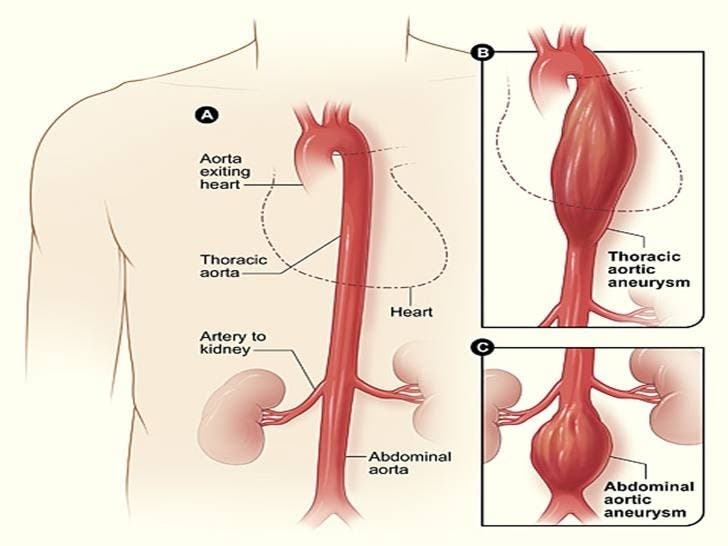
The aorta is the largest artery in the body. It carries oxygen-rich blood from the heart to the rest of your organs. An aortic aneurysm occurs when a section of this artery weakens and bulges outward, much like a balloon being overstretched. Over time, this bulge can grow larger and thinner, increasing the risk of rupture or dissection—both of which are medical emergencies.
Aortic aneurysms are generally classified by location. Thoracic aortic aneurysms occur in the chest, while abdominal aortic aneurysms develop in the lower part of the aorta, near the abdomen. Both types can be dangerous, but abdominal aneurysms are more common.
Find out what's happening in New Brunswickfor free with the latest updates from Patch.
Why Aortic Aneurysms Are So Dangerous
What makes aortic aneurysms especially concerning is their tendency to remain symptom-free in the early stages. Many people feel completely normal and are unaware anything is wrong until the aneurysm is discovered during imaging tests for another condition. Unfortunately, the first sign in some cases is a sudden rupture, which can cause severe internal bleeding and may be fatal without immediate treatment.
This silent progression is why awareness and early detection are critical.
Find out what's happening in New Brunswickfor free with the latest updates from Patch.
Key Risk Factors to Know
Certain factors increase the likelihood of developing an aortic aneurysm. Age plays a role, particularly for people over 60. High blood pressure is one of the biggest contributors, as constant pressure weakens artery walls over time. Smoking is another major risk factor, significantly increasing both the formation and growth rate of aneurysms.
Other contributors include atherosclerosis (hardening of the arteries), a family history of aneurysms, connective tissue disorders, and long-standing cardiovascular disease. Men are more commonly affected, but women often experience more severe outcomes, making awareness important for everyone.
Symptoms You Should Never Ignore
Although many aneurysms are silent, some do produce warning signs—especially as they grow larger. Recognizing these symptoms early can make all the difference.
For abdominal aortic aneurysms, persistent or sudden pain in the abdomen or lower back is a red flag. This pain may feel deep, aching, or throbbing and does not improve with rest. Some people also notice a pulsating sensation near the navel.
Thoracic aortic aneurysms may cause chest pain, upper back pain, or discomfort that radiates to the neck or jaw. Shortness of breath, coughing, or hoarseness can occur if the aneurysm presses against nearby structures.
If an aneurysm begins to rupture, symptoms become sudden and severe. Sharp, intense pain, dizziness, rapid heartbeat, low blood pressure, or loss of consciousness are emergency warning signs. Immediate medical attention is essential in these situations.
The Importance of Screening and Diagnosis
Because symptoms are often absent, screening plays a vital role—especially for people at higher risk. Imaging tests such as ultrasound, CT scans, and MRI are commonly used to detect aneurysms and monitor their size over time. Hospitals like Liv Hospital offer advanced imaging and specialist care to ensure accurate diagnosis and monitoring.
In many cases, early detection allows doctors to manage the condition through regular monitoring, lifestyle changes, and medications to control blood pressure and reduce stress on the aorta. Surgery may be recommended if the aneurysm reaches a size where the risk of rupture becomes significant.
Prevention and Daily Awareness
While not all aortic aneurysms can be prevented, reducing risk factors can slow their progression. Maintaining healthy blood pressure, quitting smoking, managing cholesterol levels, and staying physically active all support a stronger cardiovascular system. Regular checkups are especially important for individuals with a family history of aneurysms or heart disease.
Equally important is listening to your body. Unexplained pain in the chest, back, or abdomen should never be dismissed—especially if it is persistent or severe. Trusting your instincts and seeking medical evaluation early can be lifesaving.
Final Thoughts
Aortic aneurysm awareness is about more than medical facts—it’s about recognizing that silent conditions can have serious consequences if ignored. By understanding the risks, knowing the symptoms, and prioritizing early screening, individuals can take meaningful steps toward protecting their heart and overall health. In cardiology, awareness truly is prevention, and paying attention today can prevent a crisis tomorrow.