Schools
Elevated Lead Levels Found in New Brunswick Schools
Elevated levels of lead have been found at 14 different sites in New Brunswick schools, the district announced.


New Brunswick, NJ - Elevated levels of lead have been found at 14 different sites in New Brunswick schools, the district announced Thursday.
The school district tested water from sinks and drinking fountains at 181 locations, and 14 sites came back with higher-than-recommended levels of lead, Superintendent Aubrey Johnson said.
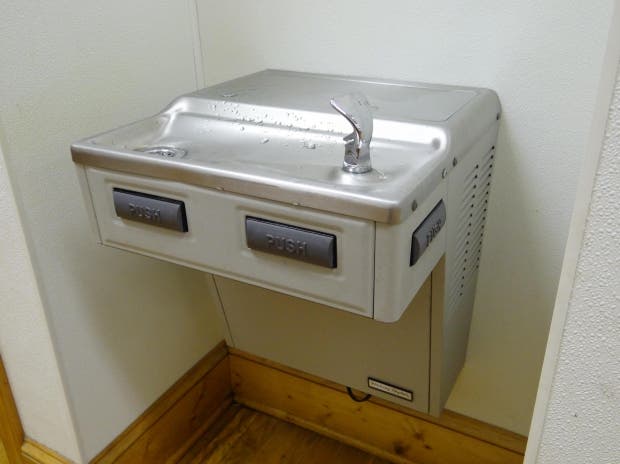
Those 14 locations are mostly water fountains and some sinks: Four in McKinley School, three in the Middle School, two each in Paul Robeson Annex, Woodrow Wilson School, Lincoln Annex and one in Redshaw School. A full list can be found here.
Find out what's happening in New Brunswickfor free with the latest updates from Patch.
If lead in drinking water exceeds 15 parts per billion, that is too high, according to New Jersey state guidelines, said Frank LoDolce, the Director of Facility Design and Construction at New Brunswick Public Schools.
Guidelines from the Environmental Protection Agency are slightly more lax, at over 20 parts per billion considered too high, he said. But New Brunswick schools must follow New Jersey's protocol. New Brunswick has released its full report on the lead testing results, which you can read here.
Find out what's happening in New Brunswickfor free with the latest updates from Patch.
Water fountains and sinks turned off
The high levels of lead were found mostly in water fountains and some sinks, LoDolce said. Those drinking fountains and sinks were shut off immediately, and bottled water is available to students and staff as needed, Johnson said.
All 14 locations have undergone secondary lead testing, LoDolce said, which was just completed Friday. He expects the results back in the next few days.
If the secondary tests show safe or minimal amounts of lead, then the issue is likely within the water fountain or sink itself, he said, and the district will simply replace those products.
However, if the levels come back elevated for a second time, then the lead contamination is much deeper in the pipes and all the pipe work will likely need to be hauled out and replaced, LoDolce said.
In the 1990s, water fountains were allowed to be made using brass and copper fixtures that had higher amounts of lead in them than would be permitted today, he explained.
"So that's why the problem could be in the water fountains themselves," he said. "Even in the last 10 years they were manufactured with elevated levels of lead."
The district anticipates remediation to take approximately one month, Johnson said.
Johnson said he also learned something from the water testers:
"In our homes, particularly for those of us who live in older buildings with dated pipes, it is recommended practice to allow a faucet run cold for about 10 to 15 seconds before drinking water or using it for cooking," Johnson said. "This is the case because water that has been sitting inside a pipe can have a higher concentration of lead. Also, only drink cold water from the tap. Hot or even warm water can have more elevated lead levels."
Get more local news delivered straight to your inbox. Sign up for free Patch newsletters and alerts.