Neighbor News
Examining a Cell Survival Mechanism in Development of Lung Cancer
Rutgers Cancer Institute is exploring a cell survival mechanism in lung cancer with the aim of uncovering new treatment strategies.

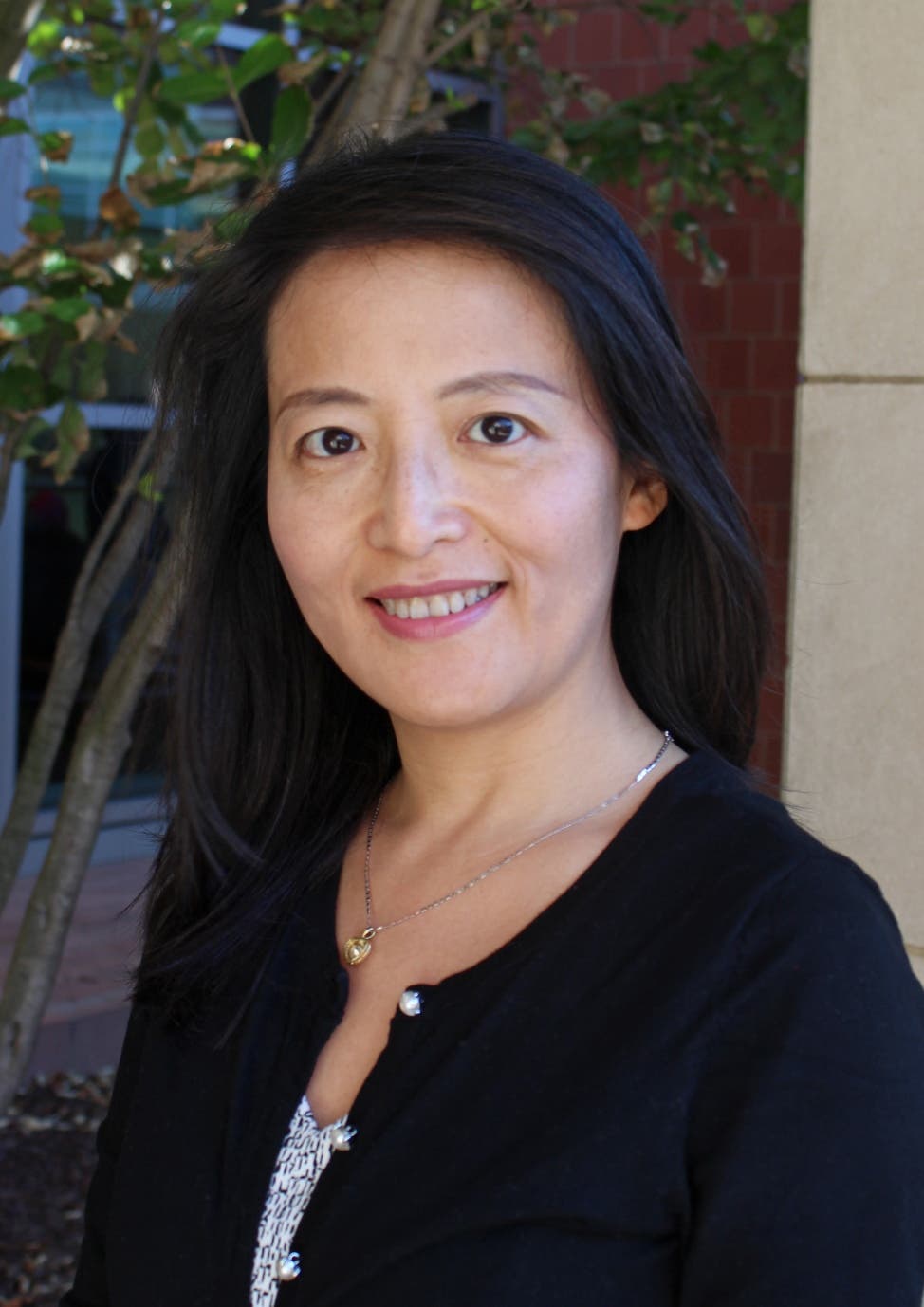
New Brunswick, N.J., November 17, 2015 – Rutgers Cancer Institute of New Jersey researcher ‘Jessie’ Yanxiang Guo, PhD, has received a $628,884 Transition Career Development Award (K22CA190521) from the National Cancer Institute to investigate the role of a cell survival mechanism known as autophagy in lung cancers driven by the active Kras protein, which is responsible for cell division. The aim is to provide a new strategy for lung cancer treatment.
Between 85 to 90 percent of lung cancers are non-small-cell lung cancer (NSCLC), and mutations in the Ras protein family – including Kras – are frequently detected in this type of cancer. Drugs directly targeting Ras mutations in NSCLC have not been effective.
Working in the laboratory of her mentor Eileen White, PhD, Rutgers Cancer Institute associate director for basic science, for the past five years, Dr. Guo discovered that cancer cells activated by the Ras protein family require autophagy for cell maintenance, metabolic stress tolerance and tumor development. When Ras proteins are ‘switched on,’ they have the ability to turn on other proteins that can activate genes responsible for cell growth and survival. With that, Guo’s work will explore the impact of autophagy on cell metabolism and lung cancer growth.
Find out what's happening in New Brunswickfor free with the latest updates from Patch.
“By learning more about how autophagy impacts the cellular metabolism of Ras-driven cancer cells, we may be able to identify novel treatment approaches targeting this process for lung and other cancers,” notes Guo, who was recently appointed as an assistant professor of medicine at Rutgers Robert Wood Johnson Medical School.
The project period runs through August 2018.